
Sheep, Solar & Sunshine: Rethinking Farming in the Adirondacks
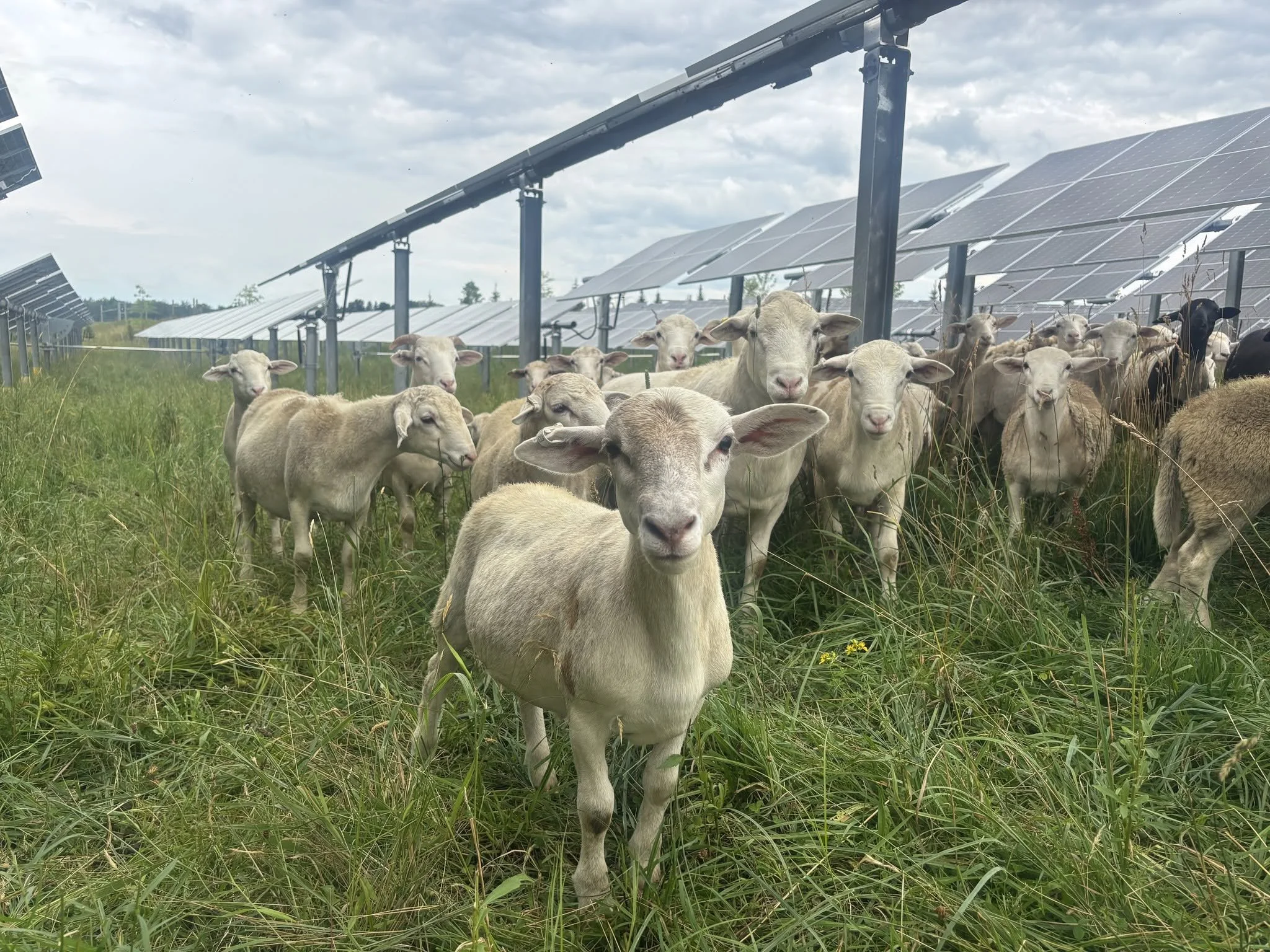
Happy critters. Photos courtesy J&R Pierce Family Farm.
What happens when you put hundreds of sheep inside a solar farm?
At J&R Pierce Family Farm, the answer isn't simply renewable energy or vegetation management. It's a model that helped two first-generation Adirondack farmers turn an expensive passion into a viable agricultural business—and offers a fascinating glimpse at what the future of farming in the North Country might look like.
In this episode of ADK Talks, Jane and Steve talk with Rebekah Pierce, co-owner of J&R Pierce Family Farm in West Chazy, New York. The conversation launches a special ADK Talks series celebrating Women in Agriculture, produced in partnership with Cornell Cooperative Extension of Clinton County.
The series grew from our conversation with Adirondack Harvest, which connects consumers with farms, food and agricultural producers across the Adirondack region.
Love discovering the people and ideas shaping the Adirondacks? Sign up for ADK Taste's free weekly In Good Taste newsletter and get our latest stories, podcast episodes, events, and recommendations delivered to your inbox.
Listen: Sheep, Solar & Sunshine
Subscribe to ADK Talks on Apple Podcasts, Spotify, YouTube or wherever you get podcasts.
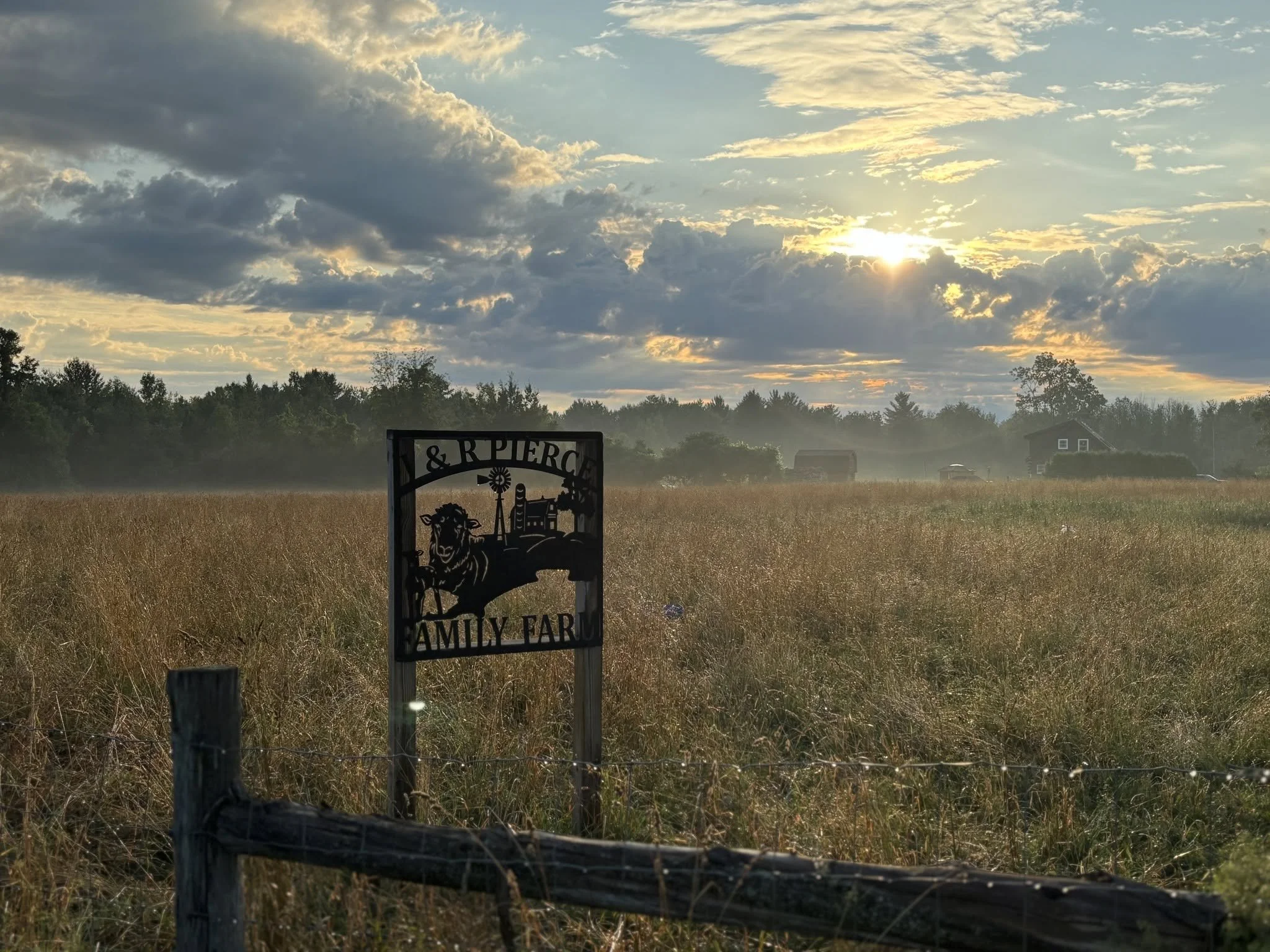
J&R Pierce Family Farm in West Chazy, NY.
From accidental farmers to a family business.
Rebekah and her husband, Josh, didn't grow up farming. In fact, farming wasn't part of the plan at all.
They bought property primarily because they wanted enough room for their dog to run around without ending up in the road.
Then came chickens.
Then pigs.
Then sheep.
Then cattle.
"We keep proving ourselves wrong," Rebekah tells Jane and Steve.
What began as a hobby farm in 2016 became an LLC in 2020. But the Pierces quickly encountered one of the biggest obstacles facing first-generation farmers: land.
Raising animals on pasture requires space, and Adirondack and North Country land isn't cheap. Rebekah describes a frustrating reality familiar to many small farmers: she and Josh were working extraordinary hours while the finances still resembled those of a hobby farm.
Then came an unexpected opportunity.
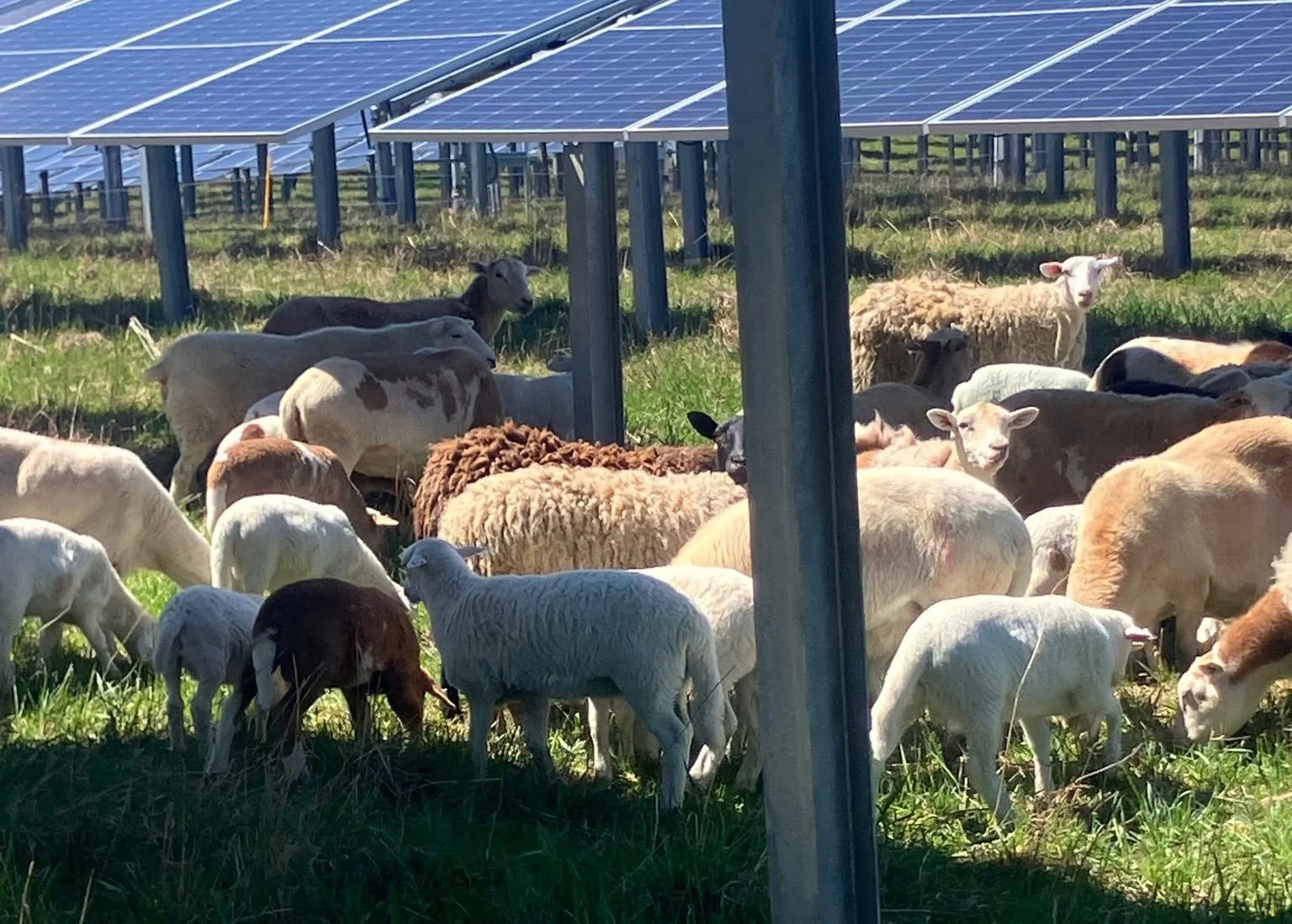
The herd at work.
When sheep meet solar panels.
Two brothers who had long supplied hay to the Pierces were preparing to lease some of their farmland for a solar development. They suggested something unusual: Why not put the Pierces' sheep on the solar site to manage the vegetation?
Rebekah already knew the concept.
It's called agrivoltaics—the use of land for both agriculture and solar-energy production. In the Pierces' case, it's more simply described as solar grazing.
Today, J&R Pierce Family Farm grazes sheep on solar installations in northern New York, while also experimenting with cattle grazing.
For solar operators, the animals provide vegetation management around and beneath the panels. For the Pierces, the arrangement provides something critically important: access to grazing land without having to purchase it.
And that's only the beginning.
What you'll hear.
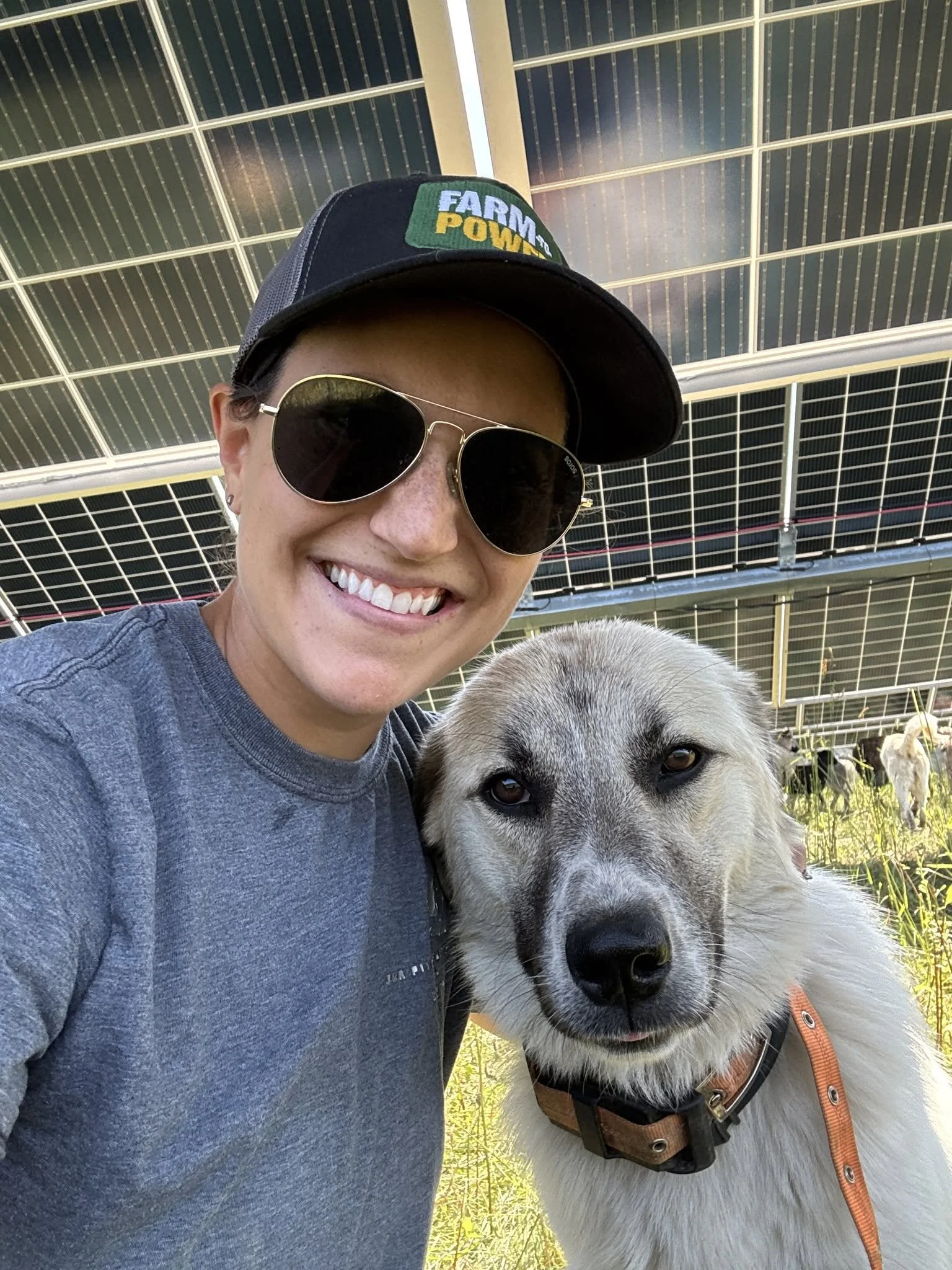
Rebekah and the other female executive on the J&R Pierce Family Farm.
How two people with no agricultural background accidentally became farmers—and eventually found a way to make farming their livelihood.
Could sheep be nearly perfect partners for solar panels?
How solar grazing can help keep farmland in agriculture while creating additional income for farmers and landowners.
Why Rebekah says the grass beneath solar panels can actually outperform exposed pasture during hot, dry conditions.
What Rebekah's five-year-old son can teach the rest of us about how quickly a once-unusual idea can become completely normal.
Solar grazing creates a bigger ripple.
One of the most interesting parts of the conversation isn't what happens inside the solar fence. It's what happens beyond it.
The landowners continue to own their farmland while receiving income from the solar lease. The Pierces still buy hay from those farmers and rent barn space from them. J&R Pierce purchases supplies and veterinary services locally. The farm's meat goes to local stores, restaurants, and consumers.
Meanwhile, the solar company pays for the vegetation management it needs.
As Rebekah puts it, solar can be done well or poorly. She sees agricultural integration as an example of doing it well—keeping land connected to agriculture while creating additional economic opportunities.
Fresh air, sunshine and better food.
Solar grazing is only part of the J&R Pierce story.
The farm raises lamb, beef and pork with a philosophy Rebekah describes simply: fresh air, sunshine and good forage.
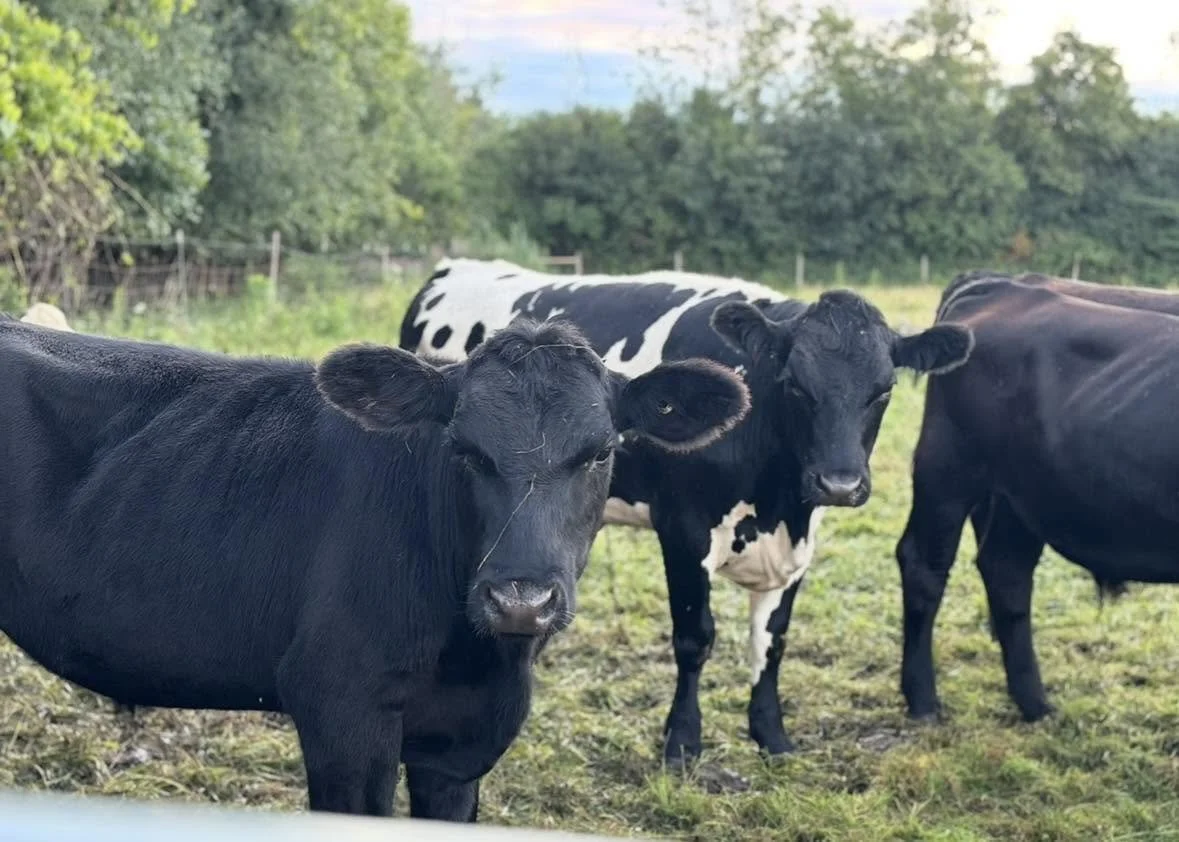
Hello, girls!
Animals move regularly onto fresh pasture rather than remaining confined in one place. Rebekah explains how diverse forage, movement and careful attention to soil can contribute to healthier animals and, in her experience, better-tasting meat.
Her own journey offers a surprising example.
Before becoming a farmer, Rebekah was a vegetarian—and she didn't particularly like lamb. Surprisingly, raising grass-fed lamb changed her mind.
The conversation also ventures into one of the harder realities of livestock farming: caring deeply for animals that are ultimately being raised for food.
Rebekah offers a thoughtful perspective on animal welfare, responsibility and helping her young son understand the role livestock play on a working farm.
A different way into agriculture.
This episode also launches ADK Talks' Women in Agriculture series, and Rebekah sees particular promise in solar grazing for people who haven't traditionally had easy entry into farming.
Agriculture often depends on inherited land, equipment, knowledge and capital. Agrivoltaics doesn't eliminate those challenges, but access to existing solar sites can remove one enormous barrier: purchasing enough land to graze livestock.
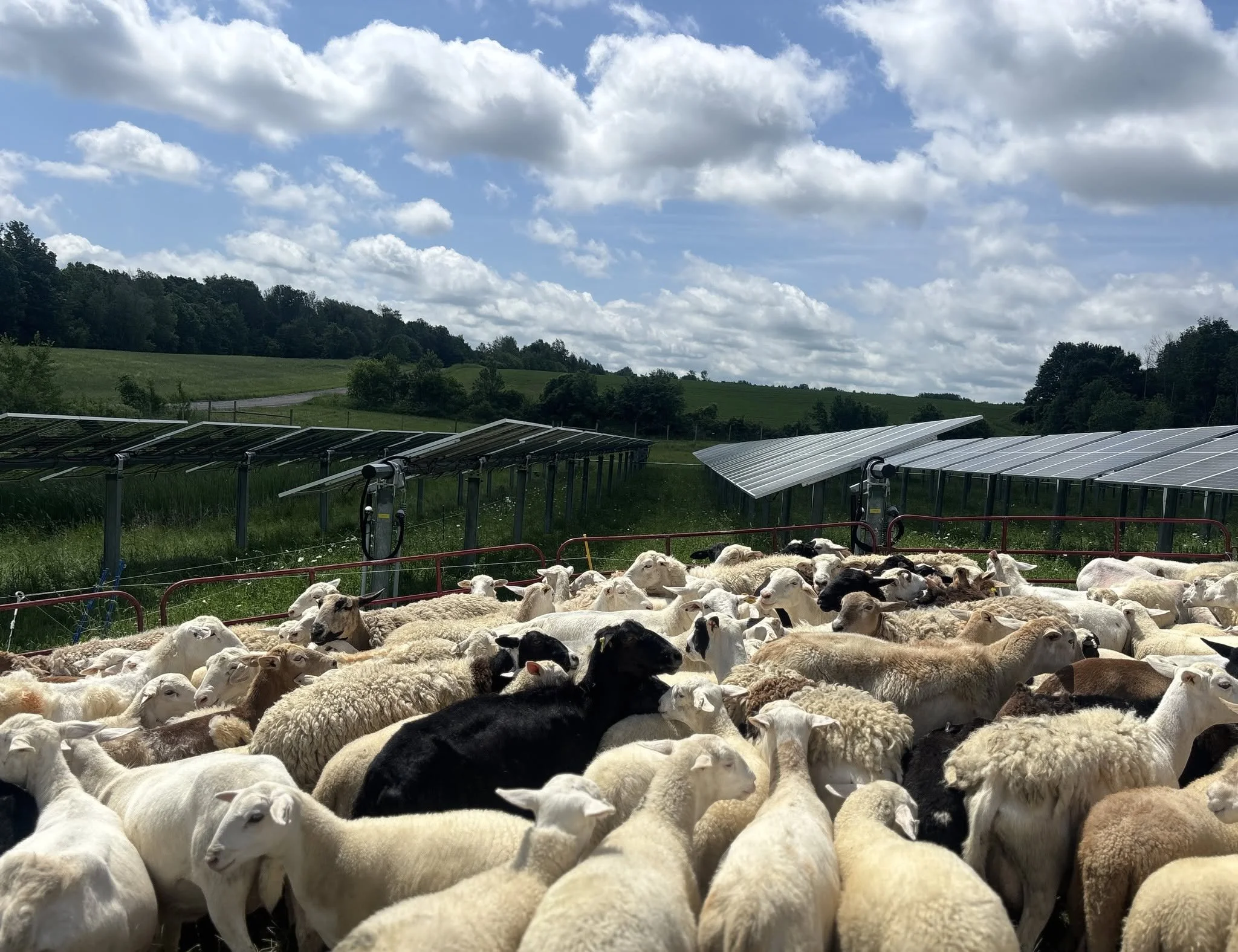
Ready to start grazing.
Rebekah has also found the solar-grazing community unusually diverse, with women and other groups traditionally underrepresented in agriculture finding opportunities in the emerging field.
For the Pierce family, that innovation has already changed what is possible.
Rebekah says plainly that without solar grazing, they would probably still be farming at hobby scale—and losing money doing it.
What could Adirondack farming look like in 50 years?
Rebekah doesn't pretend to have a crystal ball.
What she hopes to see is more small farms willing to innovate, diversify, embrace useful technology and find revenue streams that allow them to survive without losing their connection to the land.
"We need all the farms we can get," she tells Jane and Steve.
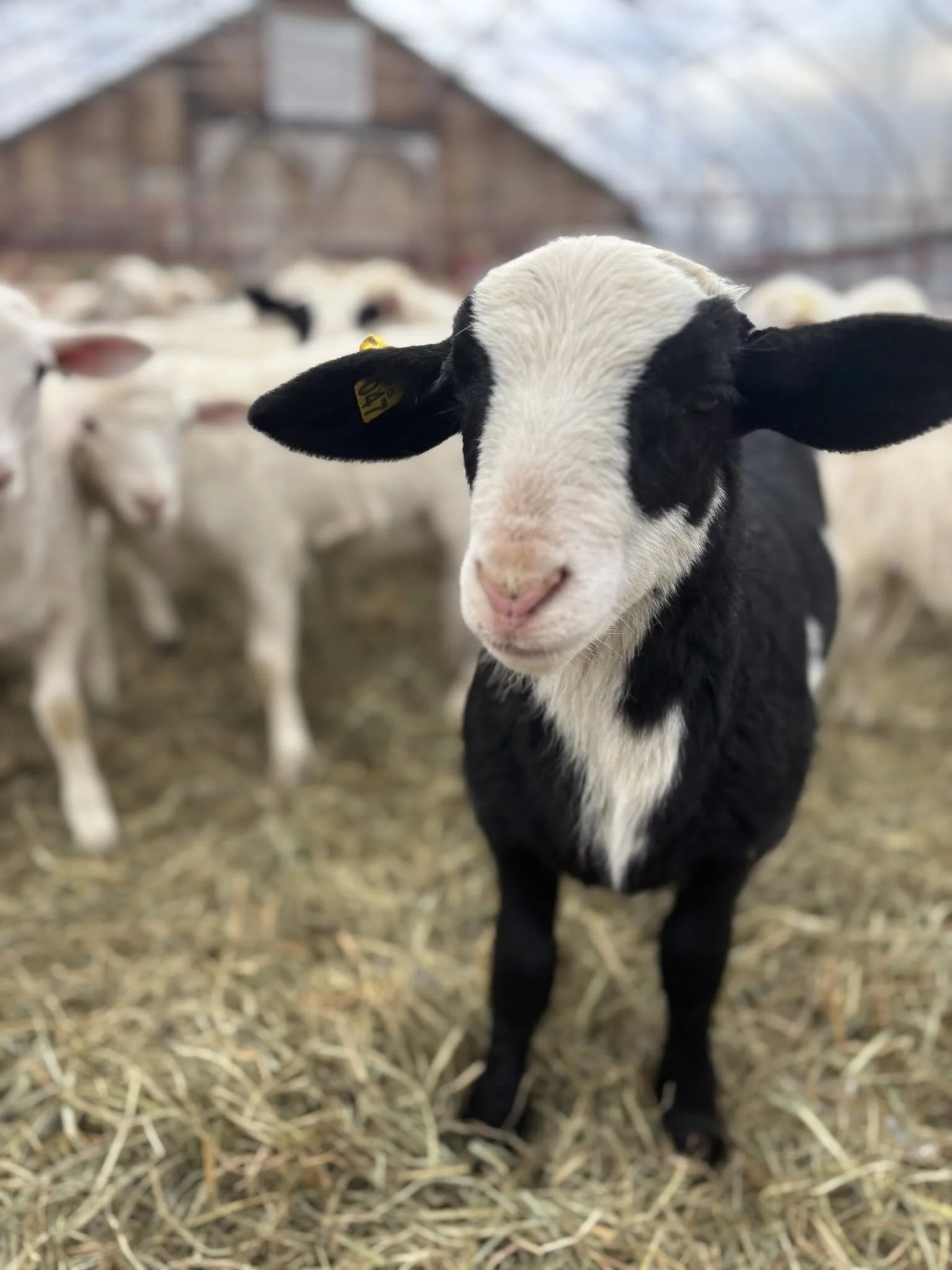
How cute is that?
Her vision isn't agriculture versus renewable energy, or people versus wilderness. It's about finding ways for all of them to coexist.
That idea comes full circle when Rebekah answers the question ADK Talks asks every guest: What's a place in the Adirondacks that you love?
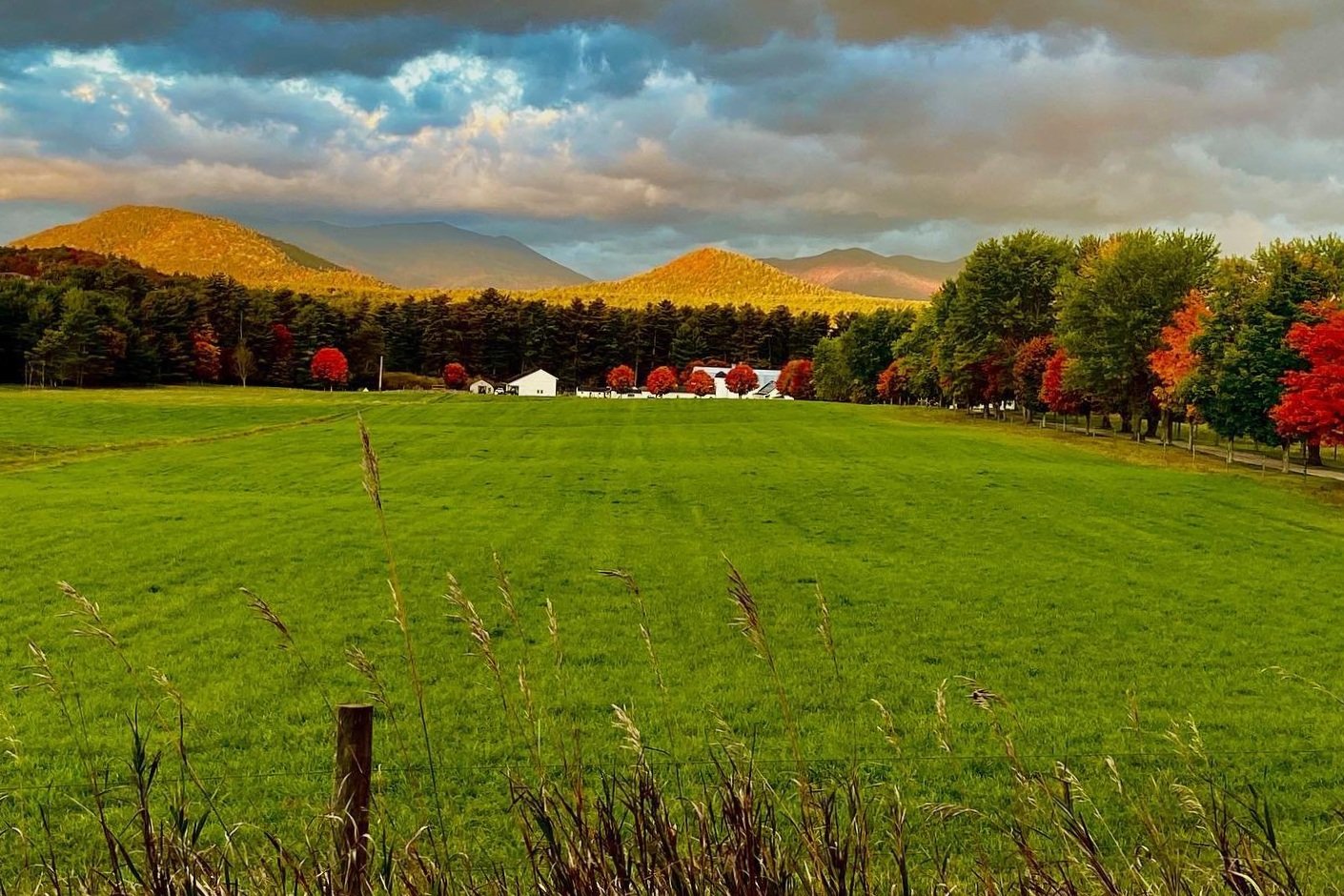
Her answer isn't a famous summit or tourist attraction. It's a particular view from Route 9N between Elizabethtown and Keene—a place where the road, fields and mountains come together.
For Rebekah, the view captures something fundamental about the Adirondacks: this isn't simply an untouched wilderness. People live here. They work here. Families have made their lives here for generations.
The question, she suggests, isn't how to separate people from the landscape.
It's how people can interact with that landscape in ways that continue to add value rather than extract it.
And perhaps that's the bigger story behind a flock of sheep grazing beneath solar panels.
Looking for local farms, food and producers? Adirondack Harvest offers a searchable directory of growers and makers across the region.
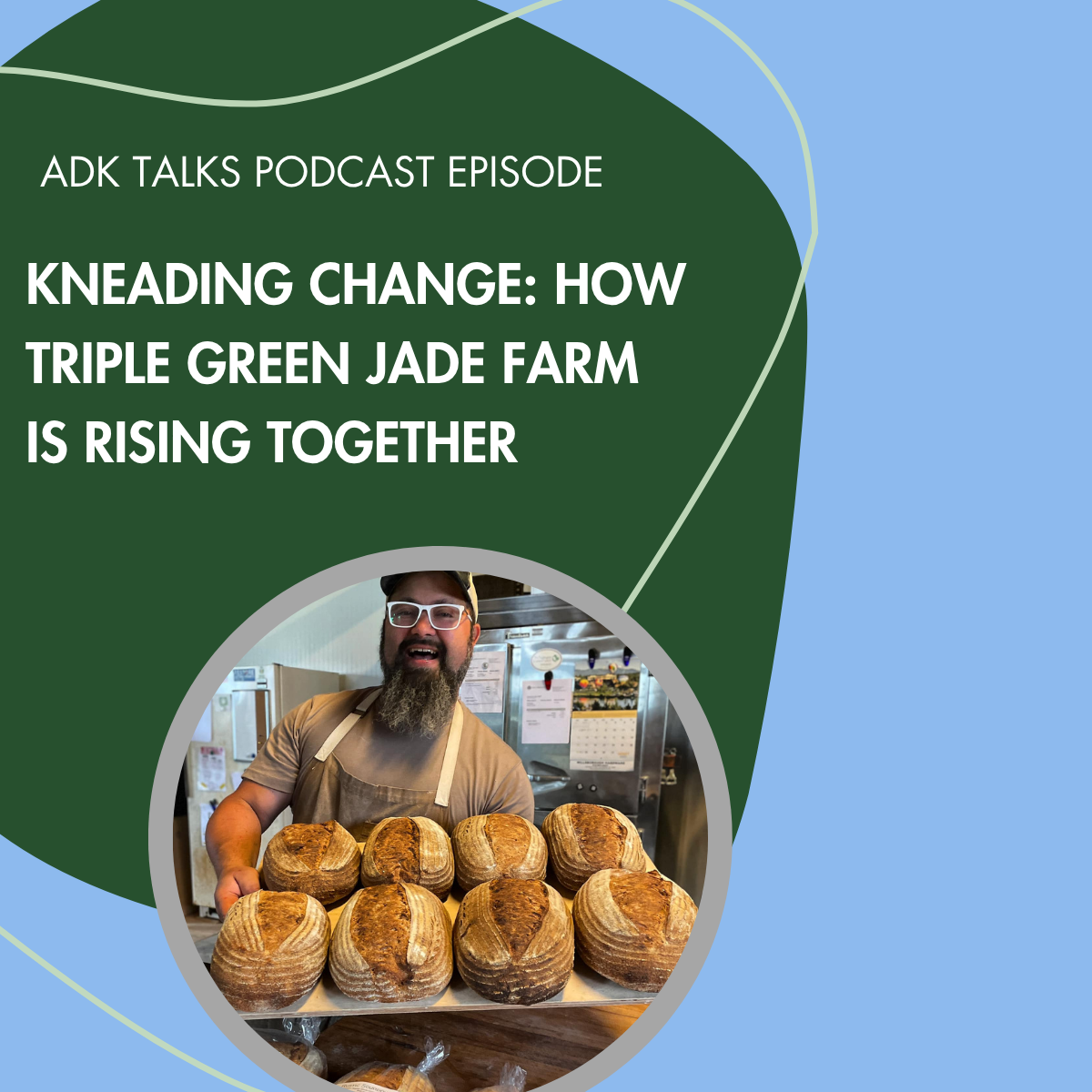
More Adirondack farm stories.
Meet the farmers (and bakers) behind Triple Green Jade Farm and discover another side of farming inside the Blue Line.
Places to stay, shop, eat, and things to do near West Chazy, NY.


Ultimate Guide to the Adirondacks
Your insider’s guide to exploring the Adirondacks—where to go, what to eat, and the experiences that make this place unforgettable.
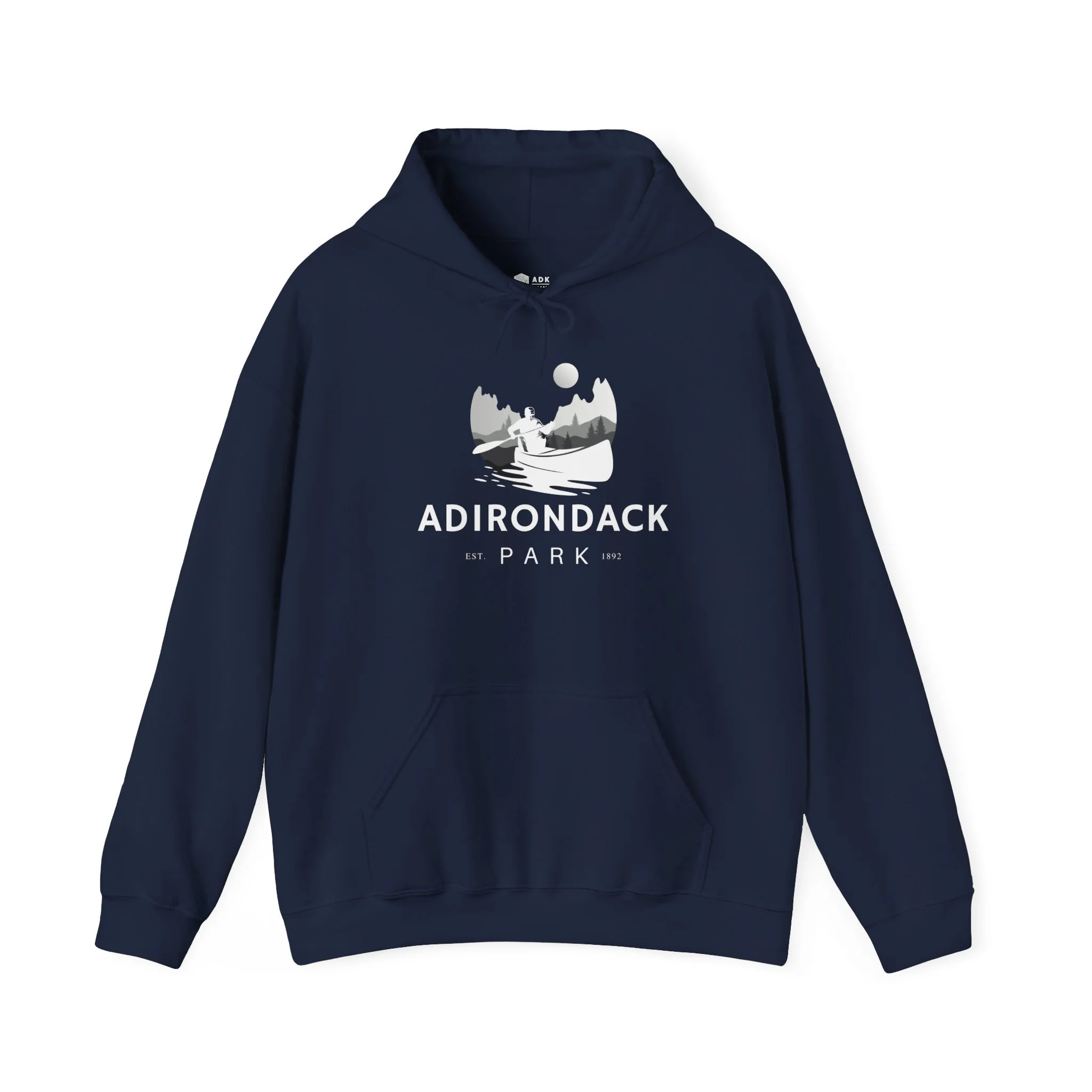
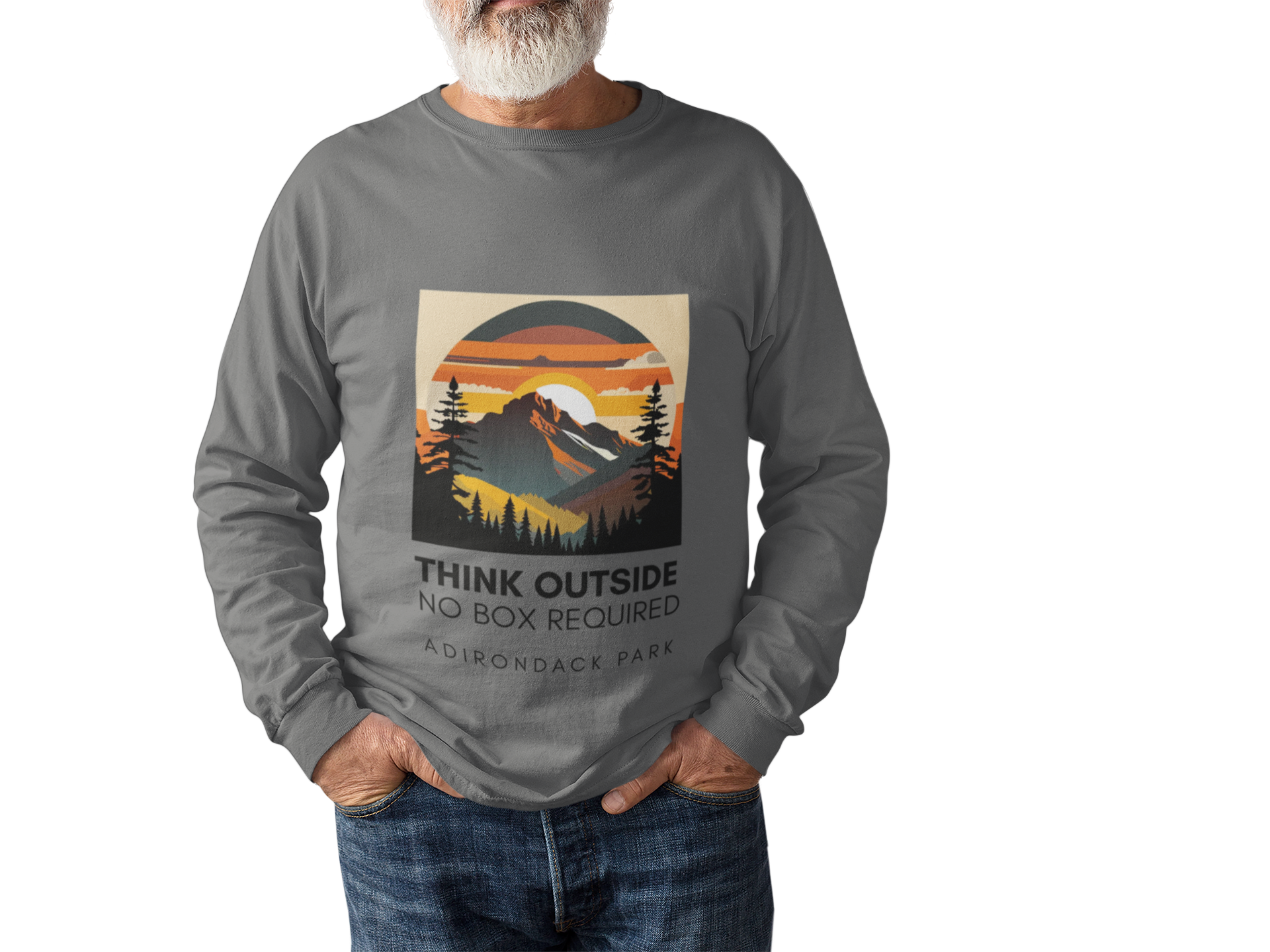
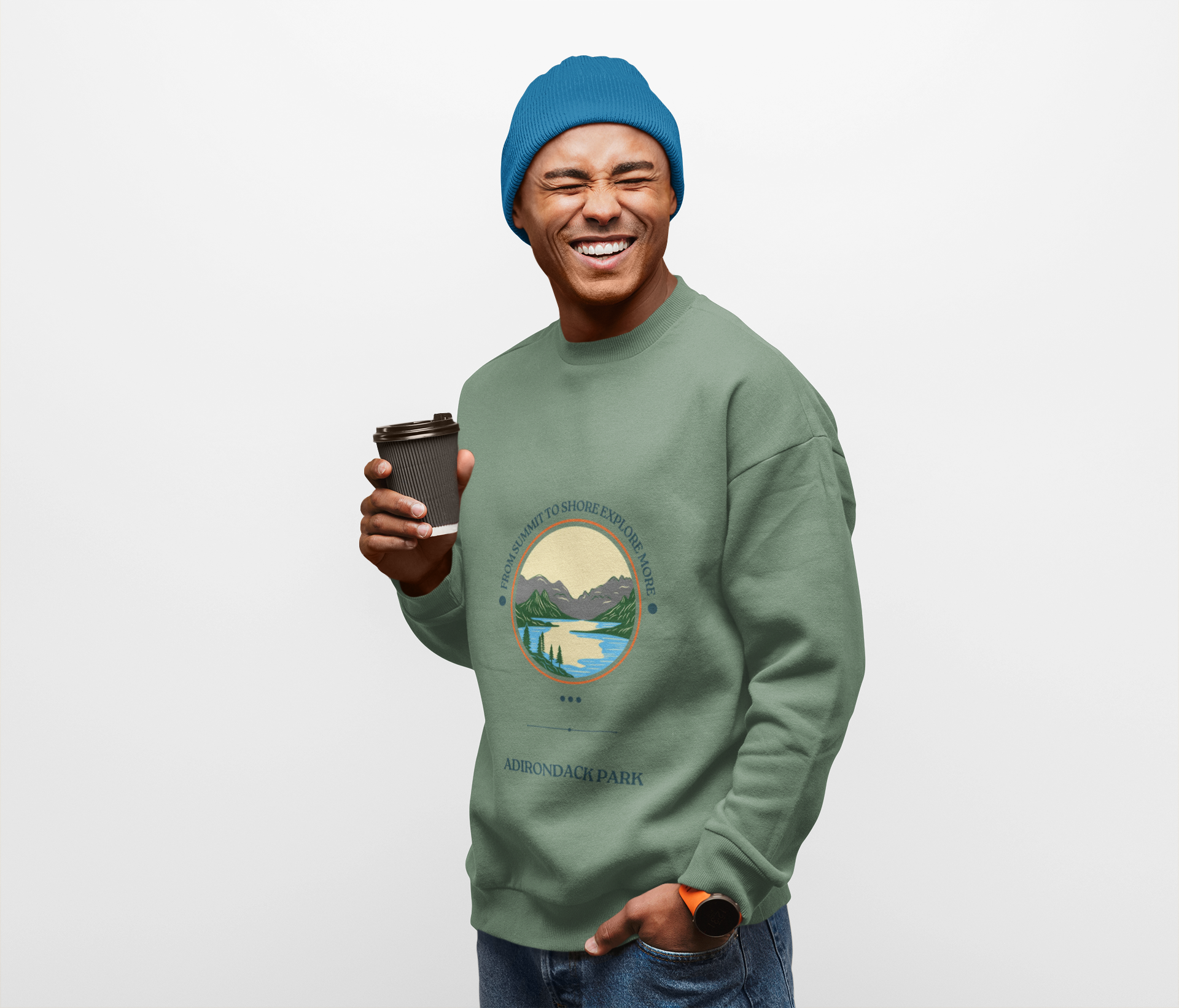
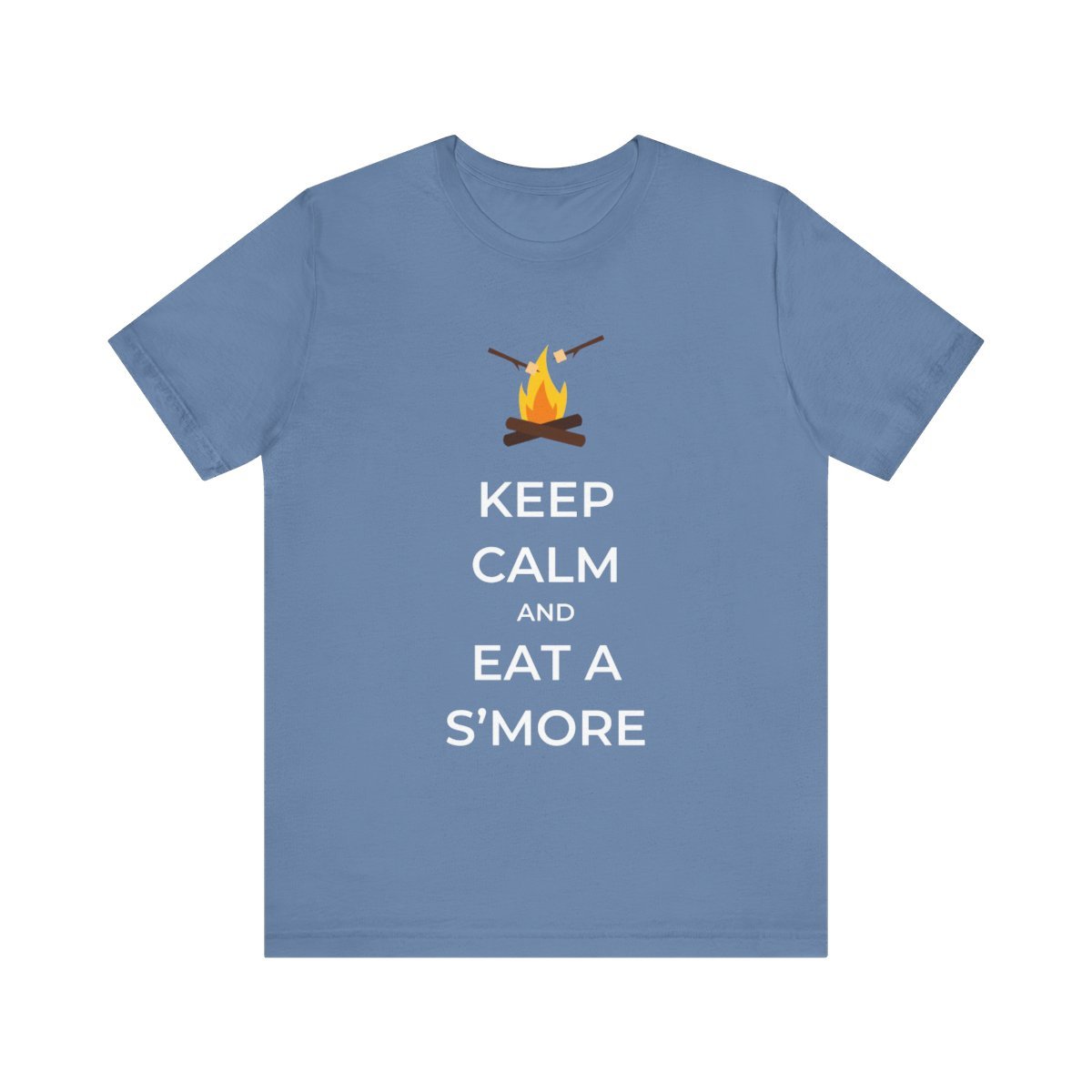
Shop for unique Adirondack apparel, gifts and merchandise.














ADK Talks Podcast
Love the Adirondacks? You’ll love our podcast. We take listeners beyond the guidebooks and into the heart of the Adirondacks. We share stories from the people behind the best places to eat, shop, stay and explore in the ADK. Find us on Apple Podcasts, Spotify or wherever you listen to podcasts.


It’s early morning, and the mist hovers above the glassy surface of your favorite Adirondack lake, undisturbed but for the rhythmic dip of your paddle. The only sound is the gentle ripple of water breaking against your canoe. The air is crisp, carrying the scent of pine and the promise of another perfect day in the Adirondacks. Your worries are left ashore, traded for the serenity that only paddling these waters can provide.
You’re not just wearing any shirt. You’re donning an invitation to adventure, to explore the thousand lakes and secret inlets of the North Country.
Our Adirondack Paddler’s Long-Sleeve Tee is made of the softest cotton. It's perfect for layering or wearing on its own. It’s designed for those who know the joy of a paddling in the Adirondacks, who’ve felt the thrill of a canoe gliding silently through mirror-still waters.
This ultra-cotton long-sleeve tee is perfect for Adirondack paddlers of all kinds—canoers, kayakers, SUPs, guide boaters and more. It is a clear comfort winner in any season.
There are no side seams for a relaxed fit. The shoulders are taped for improved durability. We love that the cotton used for these shirts is environmentally friendly.
Check the size chart; friends and family tell us this long-sleeved tee may run a little small.