
Growing the Future: Women, Apples, and Adirondack Agriculture
Photos courtesy Northern Orchard.
An apple seems like one of the simplest things in the produce aisle. Grow it, pick it, eat it.
Spend an hour with third-generation apple grower Jenna Mulbury, however, and that familiar piece of fruit starts to look remarkably complicated.
Behind a crisp New York apple are horticulture and chemistry, changing technology, generations of accumulated knowledge—and farmers making decisions months before that apple ever reaches a grocery store.
In this episode of ADK Talks, Jenna, co-owner and operator of Northern Orchard in Peru, New York, takes listeners inside a commercial apple operation with roots stretching back more than a century.
The conversation is part of ADK Talks’ Women in Agriculture series in partnership with Cornell Cooperative Extension of Clinton County.
Jenna describes herself as a “Jen of all trades,” overseeing everything from storage and packing to horticulture and the everyday problem-solving required to keep a large farm moving.
Love discovering the people, food and stories behind the Adirondacks? Sign up for the ADK Taste newsletter for new ADK Talks episodes and a hand-picked guide to what’s worth knowing, tasting and doing across the region.
Listen to Growing the Future.
What does it take to grow apples commercially in the Champlain Valley—and carry a century-old family farm into its next generation? Hear the full conversation with Northern Orchard co-owner Jenna Mulbury.
Subscribe to ADK Talks on Apple Podcasts, Spotify, YouTube or wherever you get podcasts.
A century of apples—and the next generation.
Northern Orchard began in 1906, when investors from New York City identified the Champlain Valley as promising apple-growing country. The Mulbury family entered the story decades later, and today Jenna and her older brother Jesse represent the third generation of their family involved in the business.
For Jenna, returning to the farm wasn’t simply a matter of inheriting a job.
She studied agricultural business management at SUNY Cobleskill and gained experience beyond Northern Orchard before coming home—an approach she now encourages other young farmers to follow. Her advice, borrowed from a professor, is wonderfully blunt: “Don’t go home.”
Not forever, of course.
The point is to leave long enough to see how other people work, learn different approaches, build relationships and bring new ideas back with you. For an agricultural business that has survived generations of change, standing still isn’t much of a strategy.
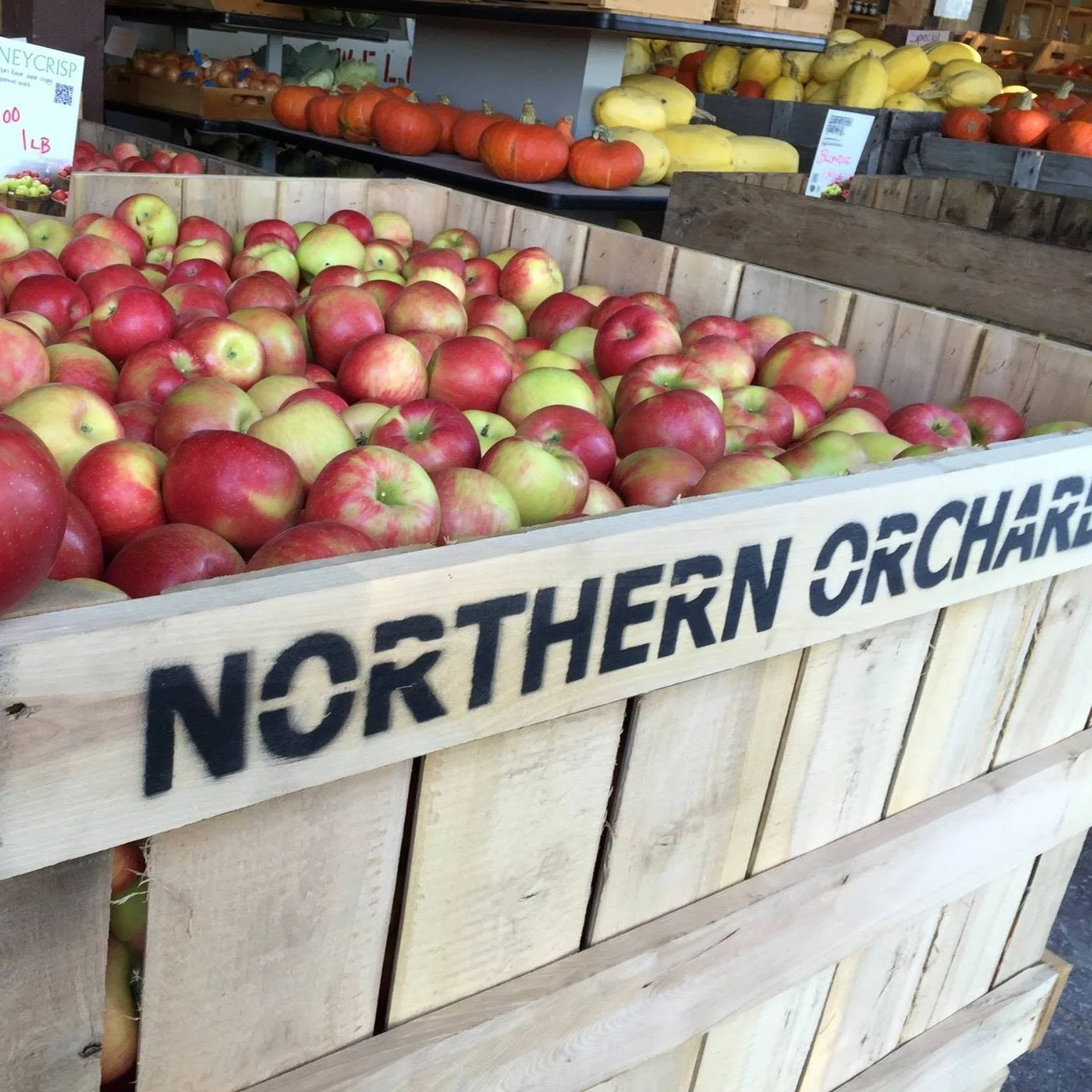
Northern Orchard apples on display at their farmstand.
This isn’t the apple orchard most visitors know.
For many people, “apple orchard” conjures up a familiar Adirondack fall tableau: pick-your-own bags, cider doughnuts, pumpkins and perhaps a hayride.
Northern Orchard is different.
It’s a commercial orchard, operating largely on the production side of the food system. It harvests its apples primarily in September and October, then stores them, packs them to customer specifications, and ships them to grocery stores throughout the year. Northern Orchard fruit travels around the United States and into New York City bodegas; in earlier years, its apples even made their way overseas.
Jenna offers a wonderfully simple way to understand the importance of that system: during the pandemic, Americans ran out of toilet paper.
They did not run out of apples.
We rarely think about the enormous agricultural network required to make an ordinary expectation—of course there will be apples at the grocery store—possible 365 days a year.
Farming is science.
The conversation also dismantles any lingering notion that farming is simply a matter of planting something and waiting for it to grow.
Modern apple production requires knowledge of horticulture, botany, chemistry, weather, pests and disease, along with sophisticated business and operational management. Add evolving technology and changing growing practices, and farming looks much more like the highly technical profession it is.
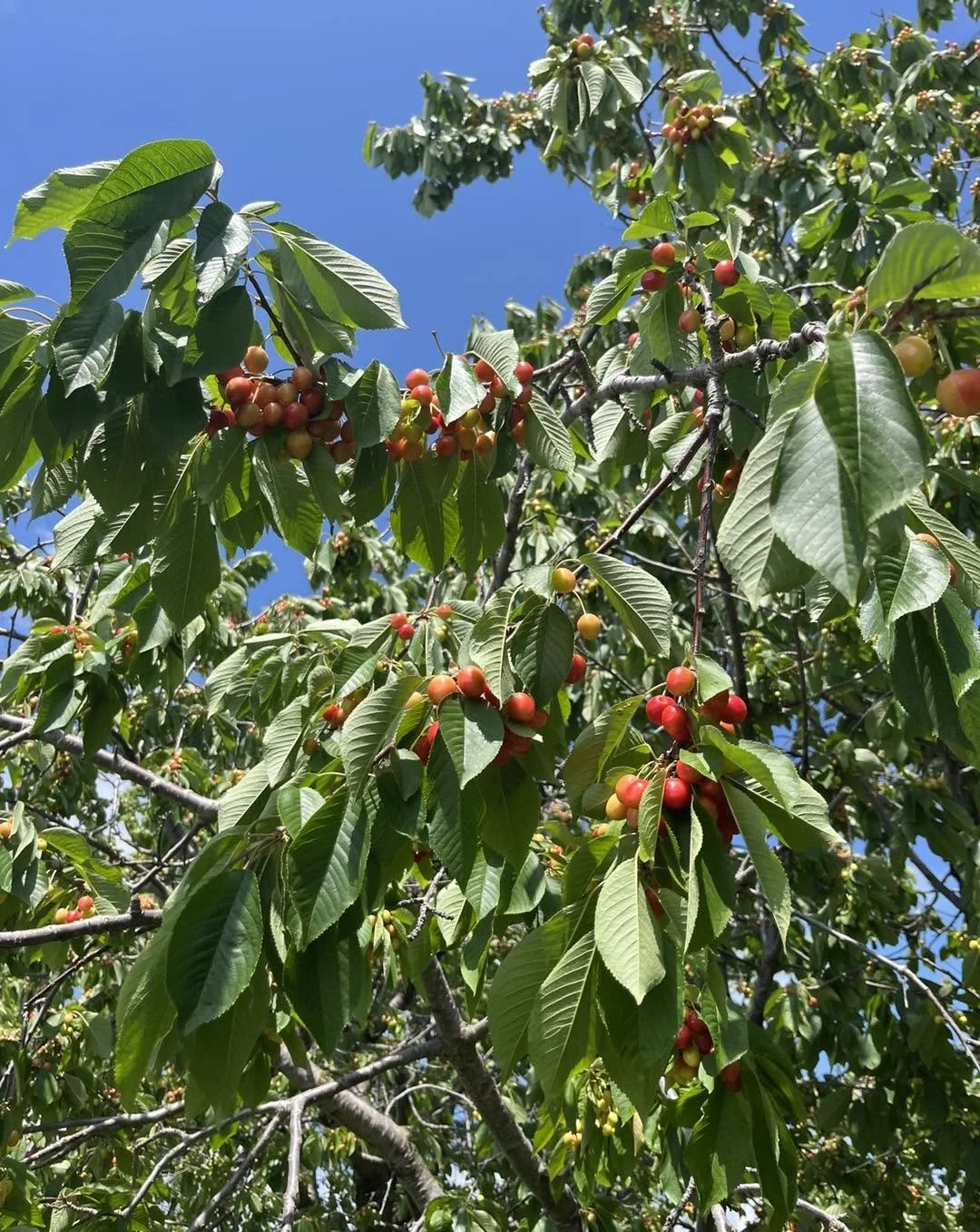
Adirondack apples.
Jenna discusses the industry's efforts to continually improve how fruit is grown, including tools such as pheromone trapping and mating disruption that can help growers manage pests in increasingly targeted ways.
And then there is the consumer.
Growing an apple outdoors through an entire season is difficult enough. Growing one that survives everything nature throws at it and meets shoppers’ expectations for an almost flawless piece of fruit raises the bar considerably.
It’s one of the episode’s recurring themes: there is much more happening behind that apple than most of us ever see.
Why the Champlain Valley grows great apples.
For people who picture Adirondack agriculture and wonder where anyone finds enough level ground among all those mountains and rocks, Jenna has a simple answer:
Where there are mountains, there are valleys.
Northern Orchard sits in the Champlain Valley, where the Adirondack Mountains help break up some weather systems approaching from the west. The valley’s geological history and proximity to Lake Champlain also helped create fertile agricultural land. Those conditions helped draw Northern Orchard’s original founders to Peru in 1906.
The northern climate brings another advantage.
Warm days followed by cooler nights help some apple varieties develop the color growers call “blush”—part of what gives those beautiful red apples their expected look.
Agriculture, in other words, isn’t incidental to this Adirondack landscape. The landscape helps make it possible.
How does a New York apple stay fresh into summer?
Eventually, Jane asks the question many shoppers probably never have: if apples are harvested in the fall, how can New York-grown fruit still reach stores months later?
The answer is one of the episode’s most fascinating detours.
Northern Orchard stores apples in enormous refrigerated rooms, then dramatically reduces the oxygen inside—sometimes to between 1 and 3 percent, depending on the variety. The combination of refrigeration and carefully controlled atmosphere slows the fruit’s respiration.
Jenna’s explanation is considerably more charming than the scientific one:
They essentially put the apples to sleep.
There’s no sinister secret behind the process, and Jenna is particularly eager for consumers to understand that. It’s agricultural science being used to preserve the quality of a crop harvested during a relatively short window so people can enjoy New York apples much later in the year.
There may be an apple for everyone.
Then there are the apples themselves.
Northern Orchard grows a remarkable range of varieties, from familiar grocery-store favorites to apples many consumers may never have encountered.
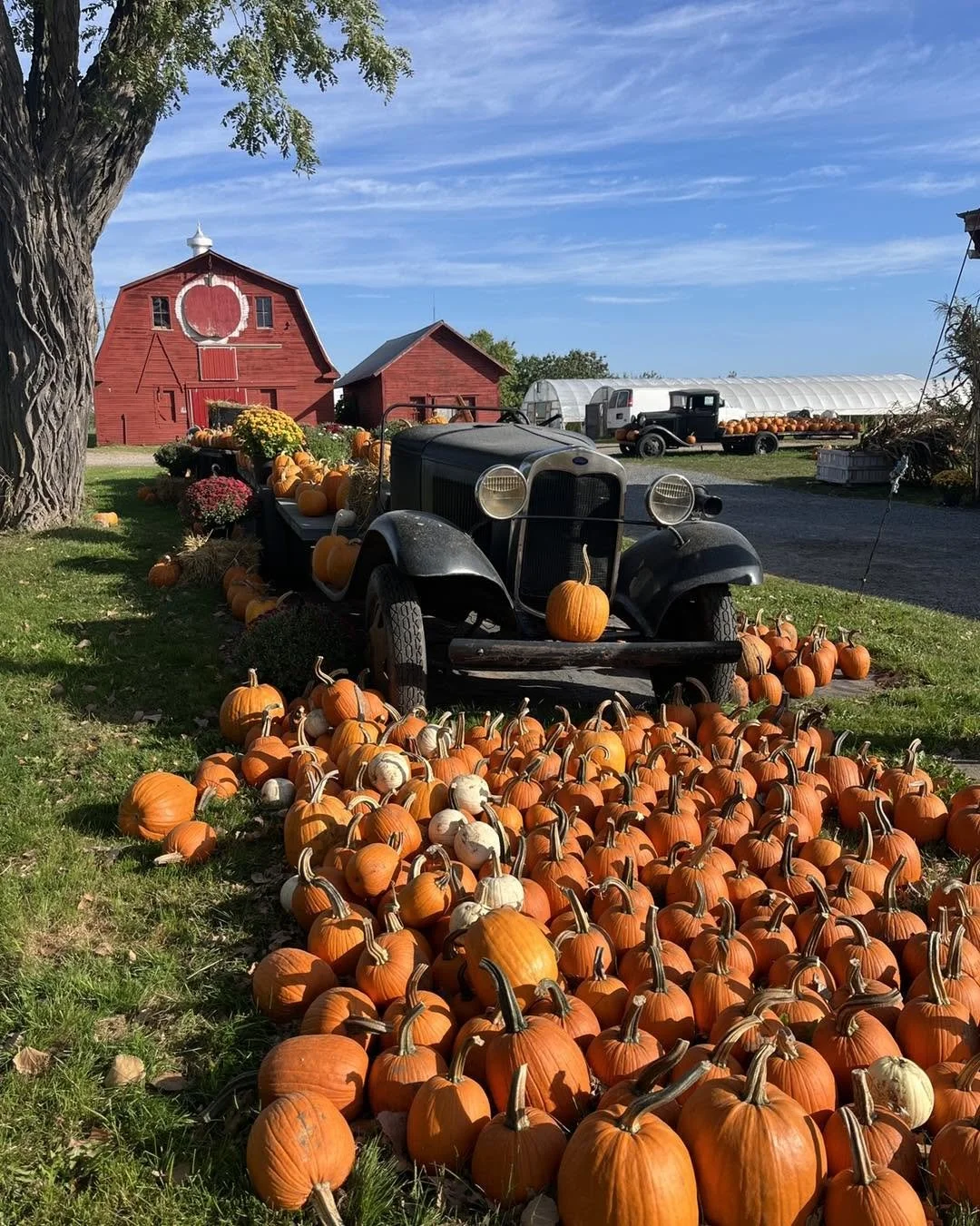
Northern Orchard in Peru, NY.
Jenna makes an enthusiastic case for EverCrisp, a dense, crunchy late-season apple with a balance of sweetness and acidity. She explains why some familiar varieties thrive in the Champlain Valley while others prefer different climates—and even reveals that some of the names shoppers recognize are managed trademarks.
But some of the most meaningful apples aren't necessarily the commercially important ones.
Old varieties remain connected to family memories and traditions, including the kind Jenna’s grandmother preferred for pies and applesauce. In an industry constantly developing new varieties, those surviving trees offer a living connection to the farm’s past.
Jenna’s larger point is irresistible: someone who thinks they don't like apples may simply not have met the right apple yet.
A woman helping grow what comes next.
“Growing the Future” refers to more than fruit.
Jenna is helping lead a multigenerational agricultural business through an era of significant change while also participating in the broader New York apple industry.
Her experience offers a window into what it means to be a woman building a career and taking on leadership in agriculture—while the farm itself demonstrates how much knowledge, labor and adaptation go into keeping a legacy business viable for another generation.
And none of that happens alone.
Northern Orchard depends on a large seasonal workforce. Jenna speaks movingly about the Jamaican workers who return to the farm through a guest-worker program—some staying for much of the growing season—and makes her view unmistakable: Northern Orchard would not exist without its employees. She also recalls a very different era when local residents, including groups of women and schoolchildren, would arrive during harvest to pick apples for extra money.
It’s another reminder that agriculture isn't simply about land and crops. It's about people.
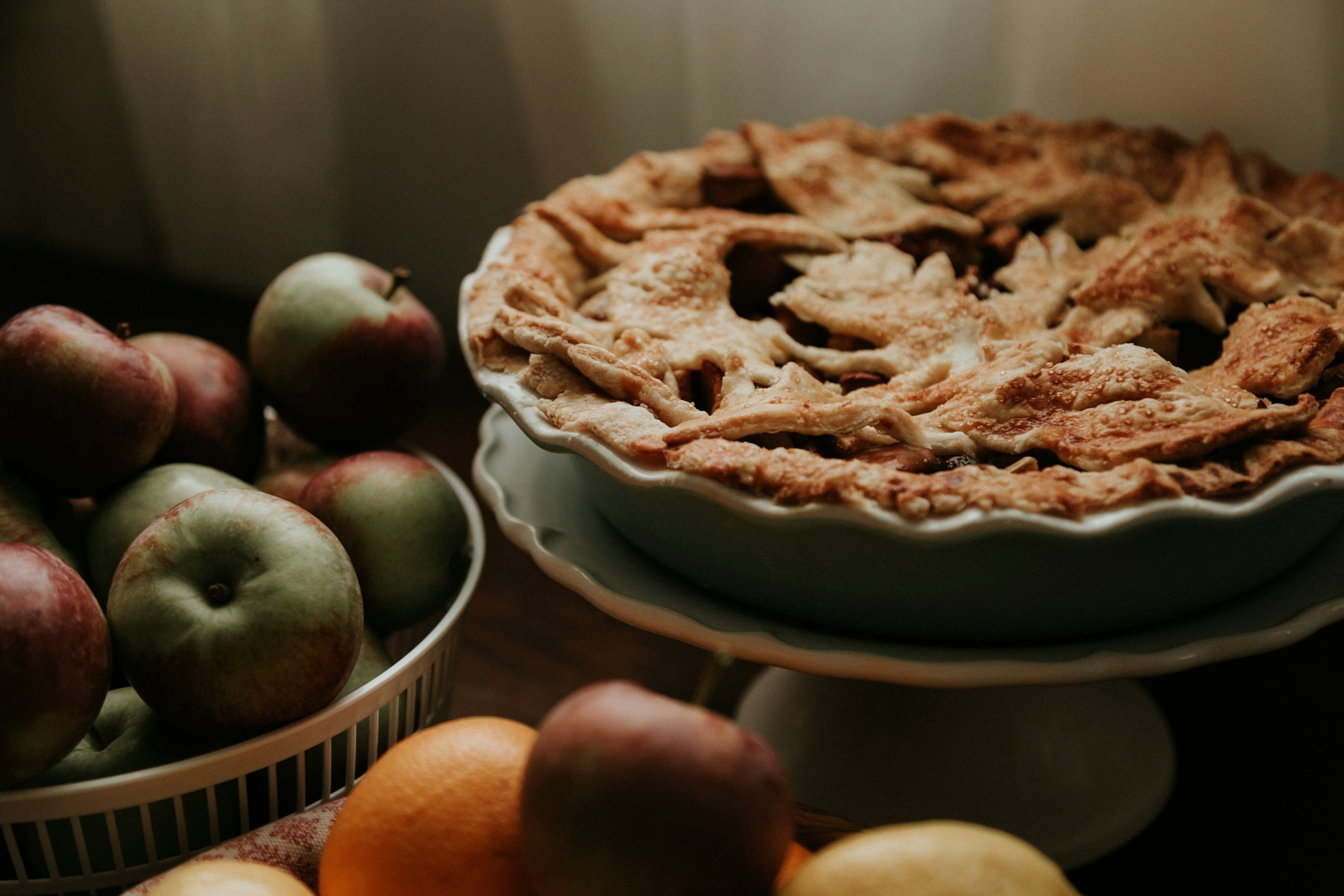
Pie anyone?
What you’ll hear.
Why the Champlain Valley is particularly well suited to growing apples.
What separates a commercial orchard from the pick-your-own experience most consumers know.
The surprising amount of science and technology behind a grocery-store apple.
How controlled-atmosphere storage can keep New York apples fresh long after harvest.
Jenna’s perspective on family legacy, women in agriculture and preparing the next generation to lead.
Growing the Future.
By the end of the conversation, the humble apple doesn't seem quite so humble anymore.
It represents science and soil, weather and labor, family history and technological change. And at Northern Orchard, it represents more than a century of people figuring out how to keep growing—both fruit and a business—in northern New York.
That makes Jenna Mulbury exactly the kind of person ADK Talks’ Women in Agriculture series set out to introduce: someone deeply rooted in an agricultural tradition who is also thinking seriously about what comes next.
Want more unexpected Adirondack finds? Subscribe to the ADK Taste newsletter for our hand-picked guide to the best things to do, eat, see and experience across the Adirondacks—delivered weekly.
Find the best places to eat, shop, stay and experience near in the Lake Champlain region.











Ultimate Guide to the Adirondacks
Your insider’s guide to exploring the Adirondacks—where to go, what to eat, and the experiences that make this place unforgettable.
Shop for unique Adirondack apparel, gifts and merchandise.

















ADK Talks Podcast
Love the Adirondacks? You’ll love our podcast. We take listeners beyond the guidebooks and into the heart of the Adirondacks. We share stories from the people behind the best places to eat, shop, stay and explore in the ADK. Find us on Apple Podcasts, Spotify or wherever you listen to podcasts.



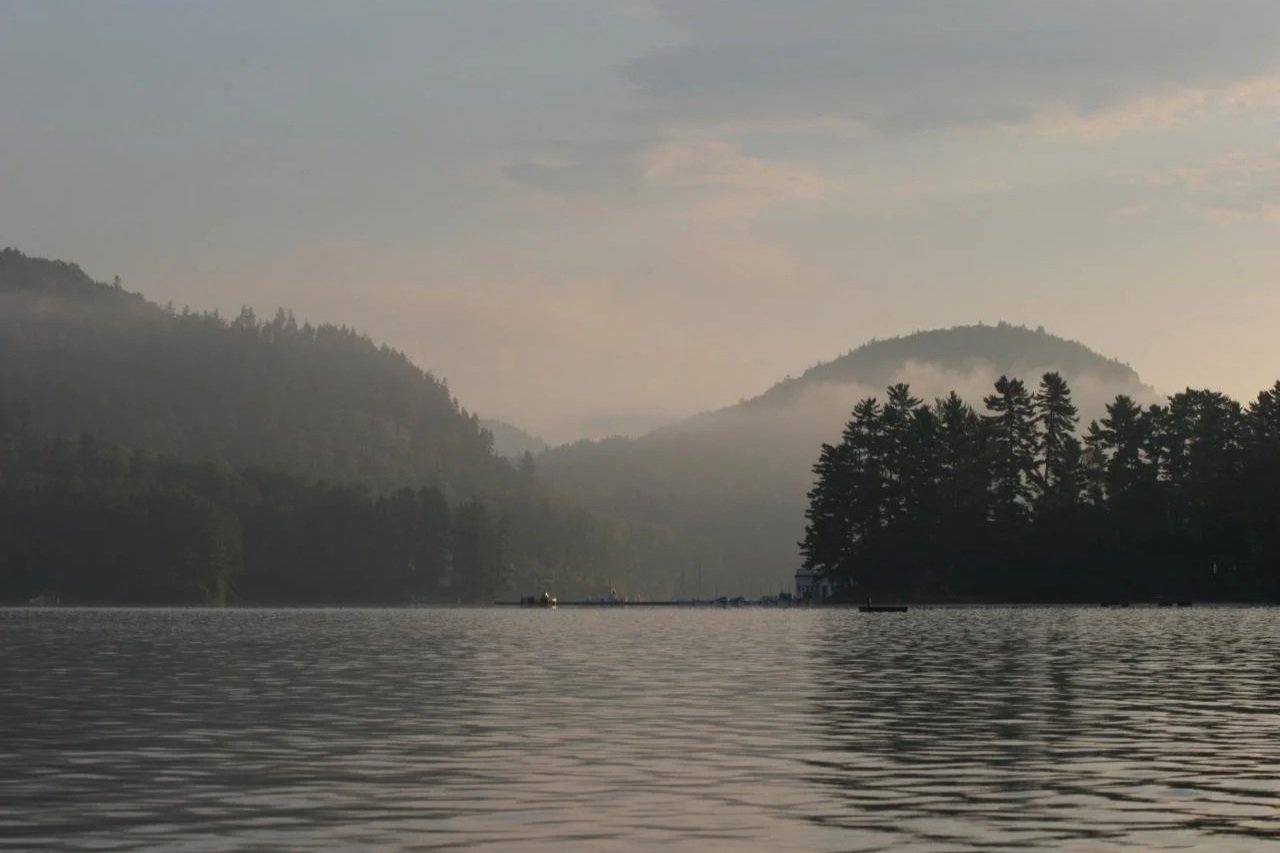
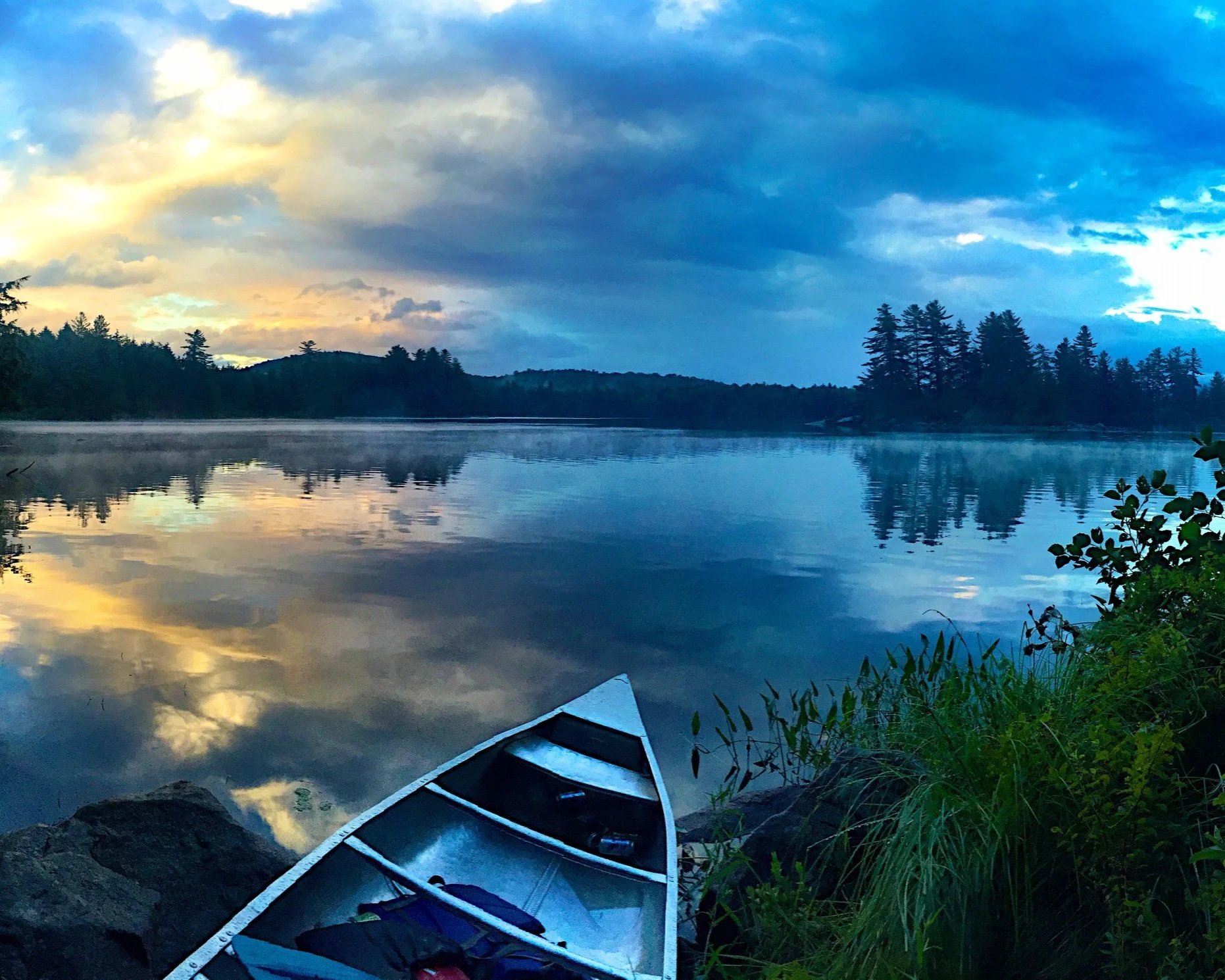
It’s early morning, and the mist hovers above the glassy surface of your favorite Adirondack lake, undisturbed but for the rhythmic dip of your paddle. The only sound is the gentle ripple of water breaking against your canoe. The air is crisp, carrying the scent of pine and the promise of another perfect day in the Adirondacks. Your worries are left ashore, traded for the serenity that only paddling these waters can provide.
You’re not just wearing any shirt. You’re donning an invitation to adventure, to explore the thousand lakes and secret inlets of the North Country.
Our Adirondack Paddler’s Long-Sleeve Tee is made of the softest cotton. It's perfect for layering or wearing on its own. It’s designed for those who know the joy of a paddling in the Adirondacks, who’ve felt the thrill of a canoe gliding silently through mirror-still waters.
This ultra-cotton long-sleeve tee is perfect for Adirondack paddlers of all kinds—canoers, kayakers, SUPs, guide boaters and more. It is a clear comfort winner in any season.
There are no side seams for a relaxed fit. The shoulders are taped for improved durability. We love that the cotton used for these shirts is environmentally friendly.
Check the size chart; friends and family tell us this long-sleeved tee may run a little small.