
Think Tick Season is Almost Over? Think Again
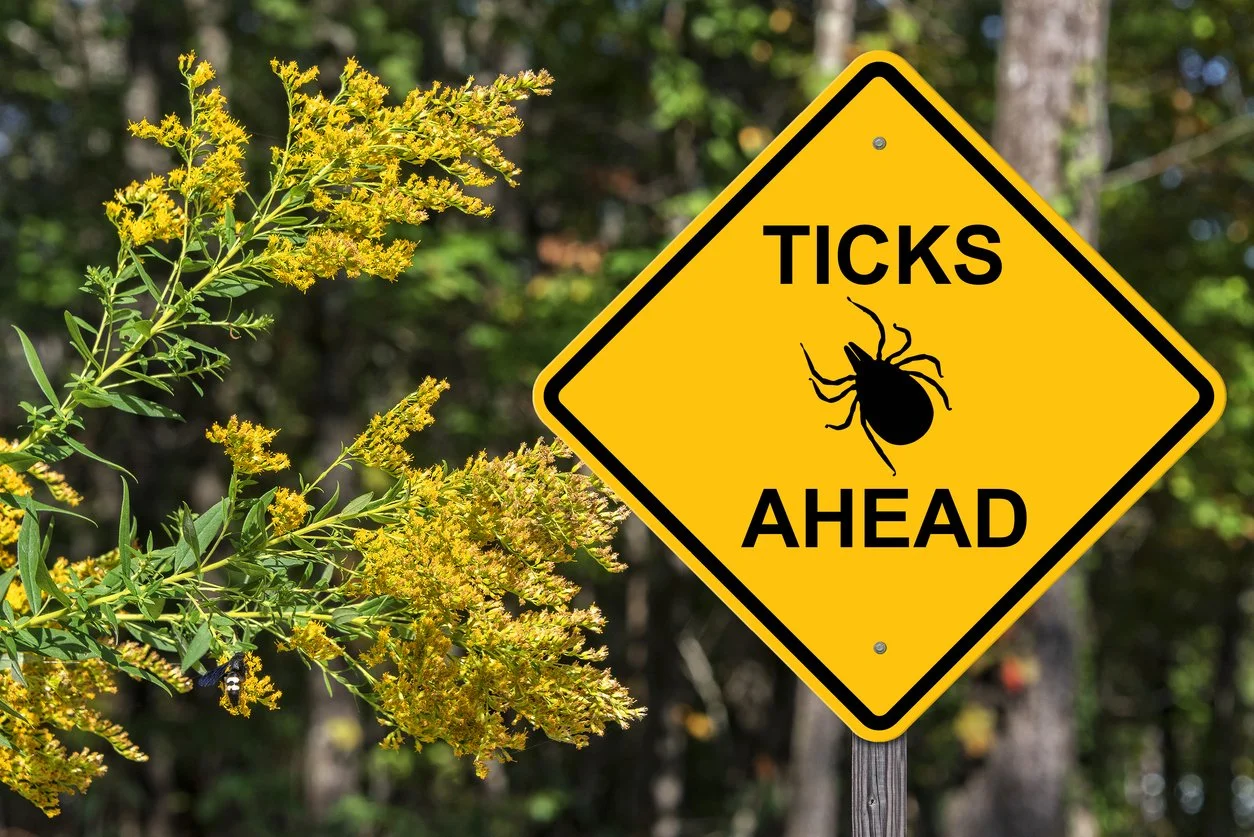
Ticks are no joke.
By mid-August in the Adirondacks, some of summer’s more notorious nuisances have begun to lose their swagger. Blackflies are largely a memory. Mosquitoes have eased in many places. Cool mornings occasionally hint that fall is waiting just offstage.
Ticks, unfortunately, have not received the memo.
For hikers, paddlers, campers, gardeners, hunters, dog walkers and anyone wandering through the Adirondack woods this fall, tick awareness still belongs alongside checking the weather and remembering where the bug spray went. In fact, mid-August marks the beginning of another active period for adult blacklegged ticks — the species most associated with Lyme disease in New York.
Want to understand the Adirondacks beyond the trail map? ADK Taste brings the region’s stories, food, places and events to your inbox each week. Subscribe to In Good Taste.
Fall does not mean the end of tick season.
It is tempting to think of ticks as another warm-weather pest, arriving with spring and disappearing when fleece season returns. Their calendar is considerably less accommodating.
Young blacklegged ticks, called nymphs, are most active from roughly mid-May through mid-August. They are especially easy to overlook because they can be about the size of a poppy seed.
Then comes the second act.
Adult blacklegged ticks become particularly active again from mid-August into November. They are larger — roughly sesame-seed size — and can remain active whenever temperatures rise above freezing. A warm Adirondack day late in the fall can therefore be pleasant for both hikers and ticks.
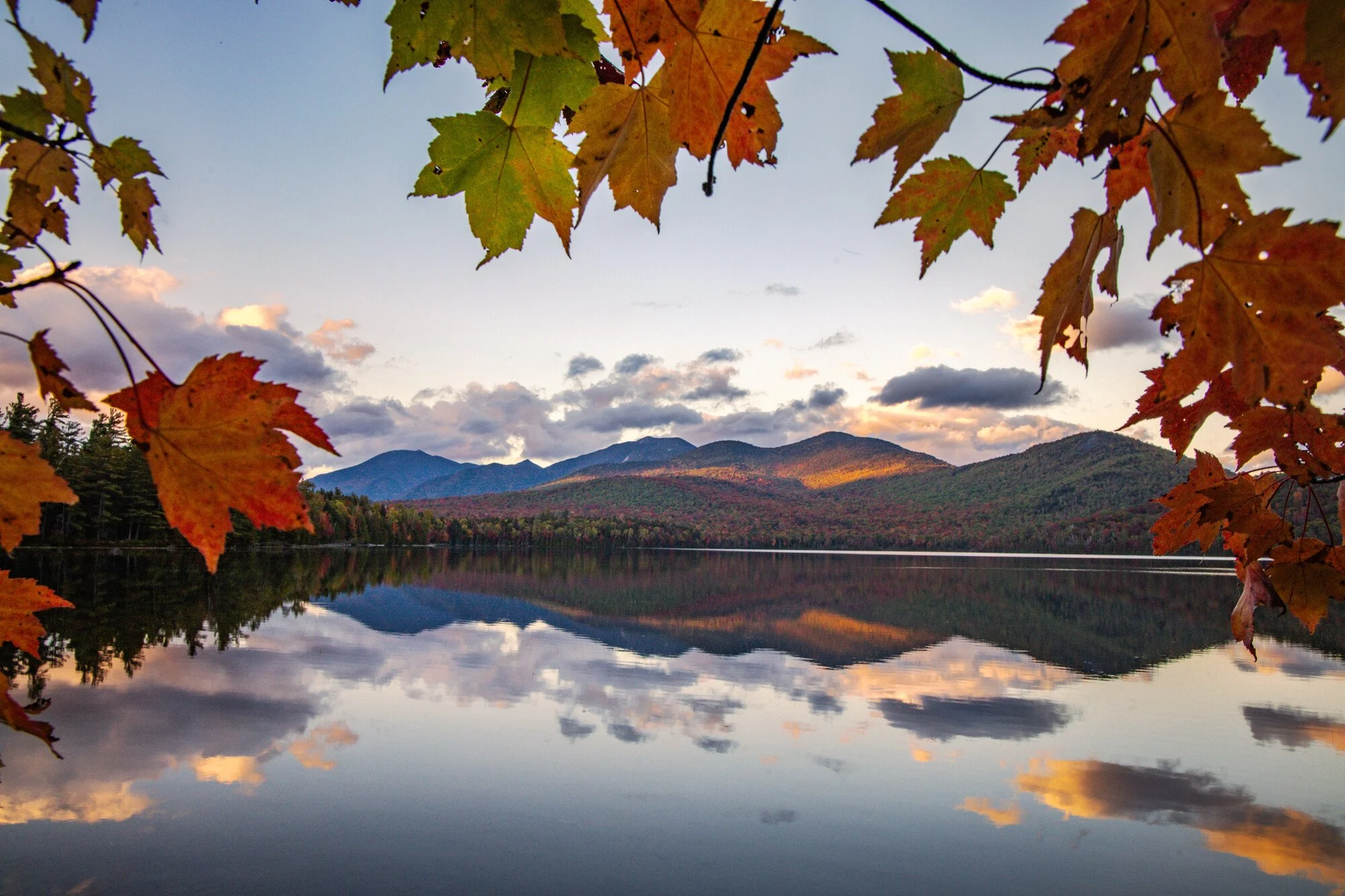
That makes foliage season worth paying particular attention to. The Adirondacks may be trading summer green for red and gold, but ticks have not necessarily called it a year.
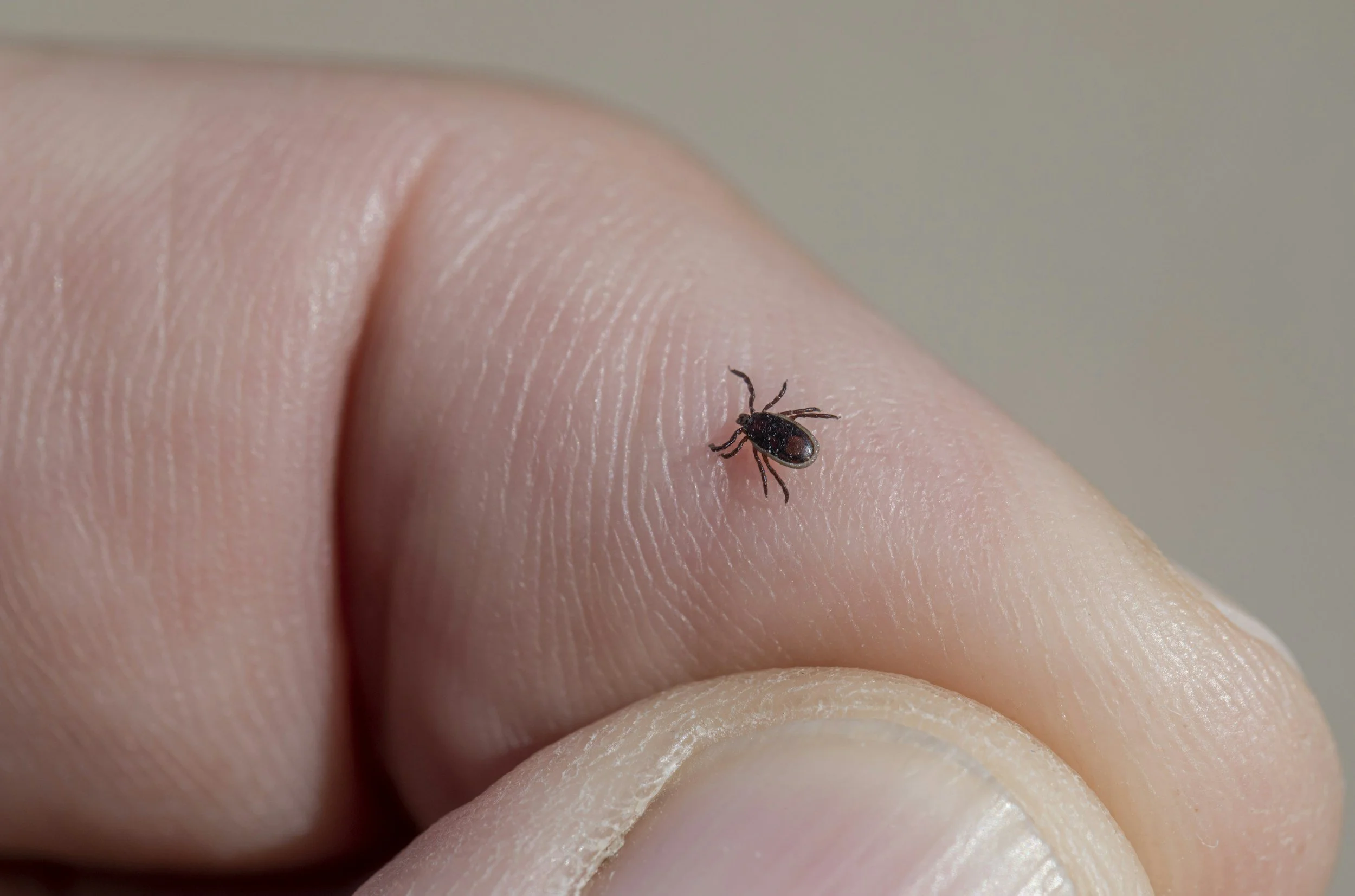
Meet your enemy — the black legged tick.
ADK Taste insight.
Ticks don't fly. They don't jump. And contrary to one of the more persistent pieces of woods lore, they aren't waiting in the Adirondack canopy to drop onto unsuspecting hikers.
Their hunting strategy is considerably less dramatic. Deer ticks live primarily in shady, moist areas at ground level, clinging to grass, brush and shrubs generally no more than 18 to 24 inches high. They're also found in leaf litter, lawns and gardens, particularly along woodland edges and around old stone walls.
A tick gets aboard when a person or animal makes direct contact. Once there, it generally climbs upward until it finds a protected place to attach.
Which explains why the Adirondack resident most likely to give a tick a ride home may have four legs.
Don’t forget the four-legged family members.
For many Adirondack households, the family member most likely to encounter a tick isn't the one wearing hiking boots.
Dogs investigate precisely the places blacklegged ticks favor — tall grass, brush, leaf litter and woodland edges — and their fur can make a convenient ride back to the house. New York State health officials recommend checking pets regularly for ticks, particularly after time in grassy or wooded areas, and note that domestic animals can carry ticks into the places where people live.
Dogs can also contract Lyme disease themselves. Some infected dogs show no symptoms, while others may develop fever, fatigue, lethargy, joint pain or lameness; in serious cases, Lyme disease can affect the kidneys.

Dogs love the places ticks hang out.
For dogs that live in or regularly visit areas where Lyme disease is established, vaccination is also worth discussing with a veterinarian. The American Animal Hospital Association recommends considering the Lyme vaccine for dogs living in or traveling to endemic regions, based on the animal's lifestyle and exposure risk. Vaccination doesn't replace tick prevention: veterinary guidelines recommend using it alongside an appropriate tick-control program.
The Adirondack version of the post-hike ritual, then, may require one additional step: boots off, dog checked, ticks unwelcome.
It is about more than Lyme disease.
The blacklegged tick — often called the deer tick — gets most of the attention because it can transmit Lyme disease, the most commonly reported tick-borne illness in New York.
And Lyme is no minor concern. New York State reported in April that it averaged more than 17,500 new Lyme disease cases annually over the previous three years, including nearly 19,000 cases in 2024.
But it isn't the only reason to pay attention.
Ticks in New York can also transmit illnesses including anaplasmosis, babesiosis, ehrlichiosis, Rocky Mountain spotted fever and Powassan encephalitis. The state also now provides guidance about alpha-gal syndrome, an allergy to red meat and other mammalian products that can develop after certain tick bites.
That doesn't mean every tick bite results in illness. It doesn't. Not every tick carries disease, and not every bite leads to infection.
It does mean that knowing what to do before and after an Adirondack outing has become part of being reasonably woods-wise.
A big misconception about Lyme disease's source?
The familiar name “deer tick” is both helpful and a little misleading. White-tailed deer are enormously important to blacklegged ticks: adults commonly feed and mate on deer, and well-fed females later drop off and lay thousands of eggs. Deer also transport ticks as they move through the landscape.
But deer generally aren't the animals giving those ticks Lyme disease. Ticks most often acquire the Lyme-causing bacteria while feeding earlier in life on infected mice, other small mammals and some birds.
Put simply: mice help infect the ticks. Deer help produce more ticks—and move them around.
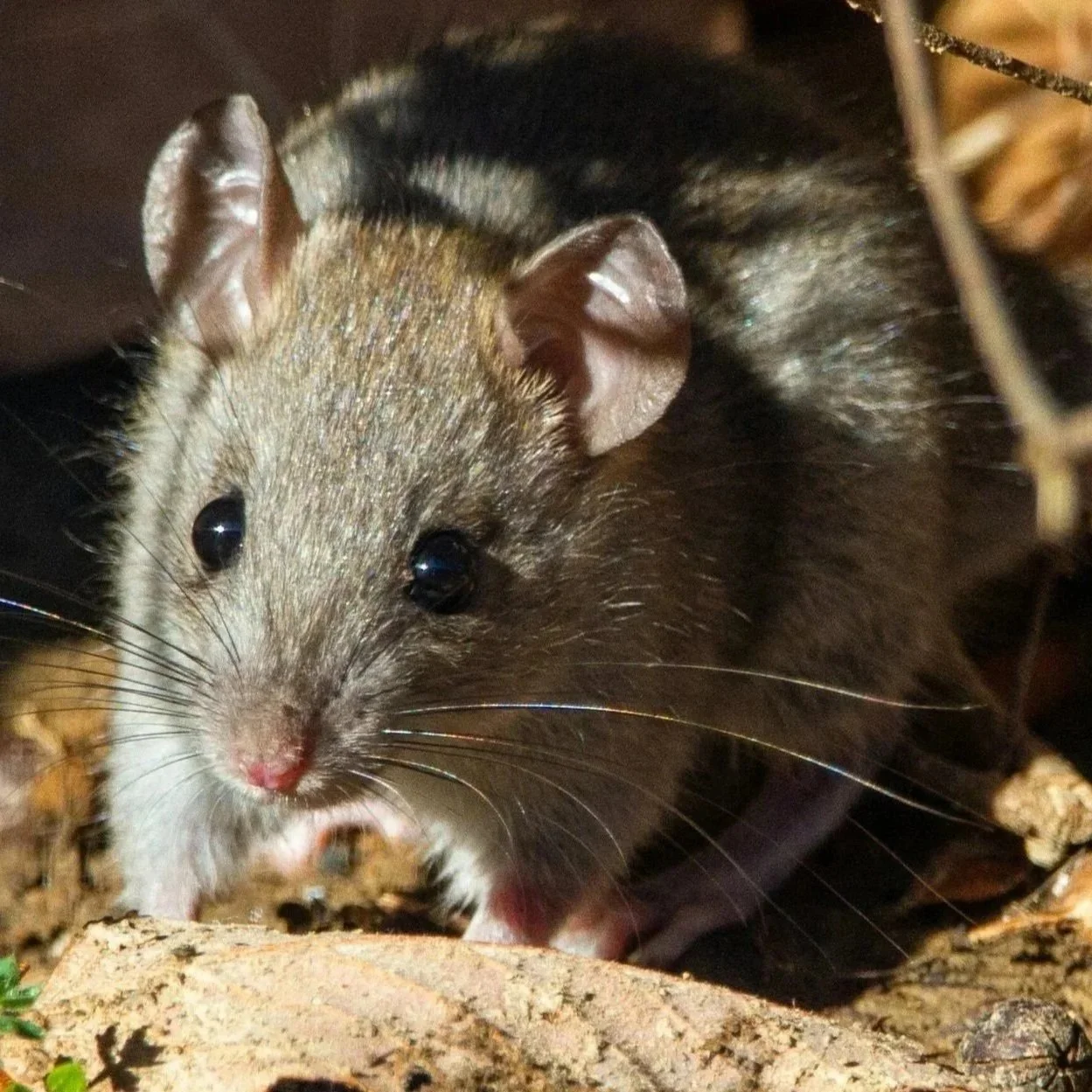
Did you know? Deer get the name. Mice play a surprisingly big role.
White-footed mice and other small mammals are important reservoirs for the bacteria that cause Lyme disease. Young ticks can become infected while feeding on them, while deer play a different role in helping adult ticks feed and reproduce.
ADK Taste recommendations.
The best defense is decidedly low-tech.
New York health officials recommend staying toward the center of cleared trails when possible and avoiding unnecessary contact with tall grass, dense brush and leaf litter. Light-colored clothing makes crawling ticks easier to spot; long pants, enclosed shoes and repellents labeled for ticks add another layer of protection.
After returning indoors, check clothing, children and pets. Showering within about two hours can help wash off unattached ticks and provides an opportunity for a thorough body check. Ticks tend to migrate toward protected areas, so checks should include the scalp and hairline, behind the ears and knees, under the arms, around the waist and other less obvious places.
New York health officials also recommend putting dry clothing in a dryer on high heat for 10 minutes after coming inside.
If a tick has attached, remove it promptly with fine-tipped or pointed tweezers, grasp it as close to the skin as possible, and pull steadily upward.
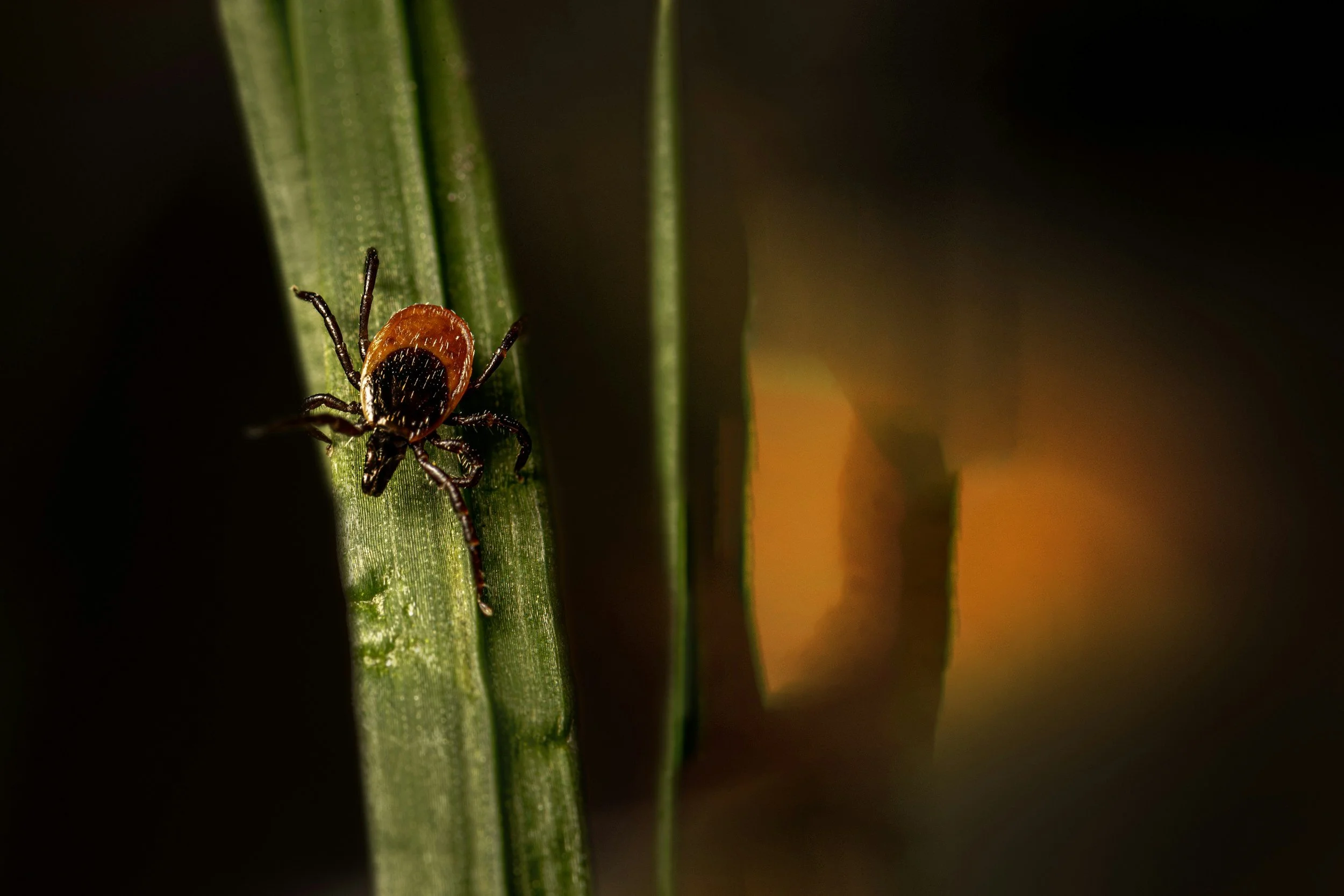
Know your enemy.
Forget folklore involving matches, detergent and other home remedies; health officials advise against them. Anyone who develops a rash, fever, chills, aches, unusual fatigue or other flu-like symptoms after a tick bite should contact a health care provider.
ADK Taste perspective.
Ticks are becoming part of the practical vocabulary of spending time outdoors in the Adirondacks, much as weather, mud season, bears and blackflies already are.
That shouldn't make the woods feel forbidding. Quite the opposite. Understanding a place includes understanding the creatures that occupy it — including the extraordinarily small ones nobody particularly wanted to meet.
And perhaps that is the useful distinction between fear and awareness. Adirondack fall still means crisp mornings, quieter trails, changing leaves, and some of the finest days of the year to be outside.
It just shouldn't mean putting the tweezers away.
Know the Adirondacks, not just the itinerary. Subscribe to ADK Taste’s In Good Taste newsletter for our hand-picked guide to the best stories, food, events and things to do across the Adirondacks each week.
Recent news and insights from the Adiriondacks.

























Ultimate Guide to the Adirondacks
Your insider’s guide to exploring the Adirondacks—where to go, what to eat, and the experiences that make this place unforgettable.
Shop for unique Adirondack apparel, gifts and merchandise.























ADK Talks Podcast
Love the Adirondacks? You’ll love our podcast. We take listeners beyond the guidebooks and into the heart of the Adirondacks. We share stories from the people behind the best places to eat, shop, stay and explore in the ADK. Find us on Apple Podcasts, Spotify or wherever you listen to podcasts.

It’s early morning, and the mist hovers above the glassy surface of your favorite Adirondack lake, undisturbed but for the rhythmic dip of your paddle. The only sound is the gentle ripple of water breaking against your canoe. The air is crisp, carrying the scent of pine and the promise of another perfect day in the Adirondacks. Your worries are left ashore, traded for the serenity that only paddling these waters can provide.
You’re not just wearing any shirt. You’re donning an invitation to adventure, to explore the thousand lakes and secret inlets of the North Country.
Our Adirondack Paddler’s Long-Sleeve Tee is made of the softest cotton. It's perfect for layering or wearing on its own. It’s designed for those who know the joy of a paddling in the Adirondacks, who’ve felt the thrill of a canoe gliding silently through mirror-still waters.
This ultra-cotton long-sleeve tee is perfect for Adirondack paddlers of all kinds—canoers, kayakers, SUPs, guide boaters and more. It is a clear comfort winner in any season.
There are no side seams for a relaxed fit. The shoulders are taped for improved durability. We love that the cotton used for these shirts is environmentally friendly.
Check the size chart; friends and family tell us this long-sleeved tee may run a little small.