
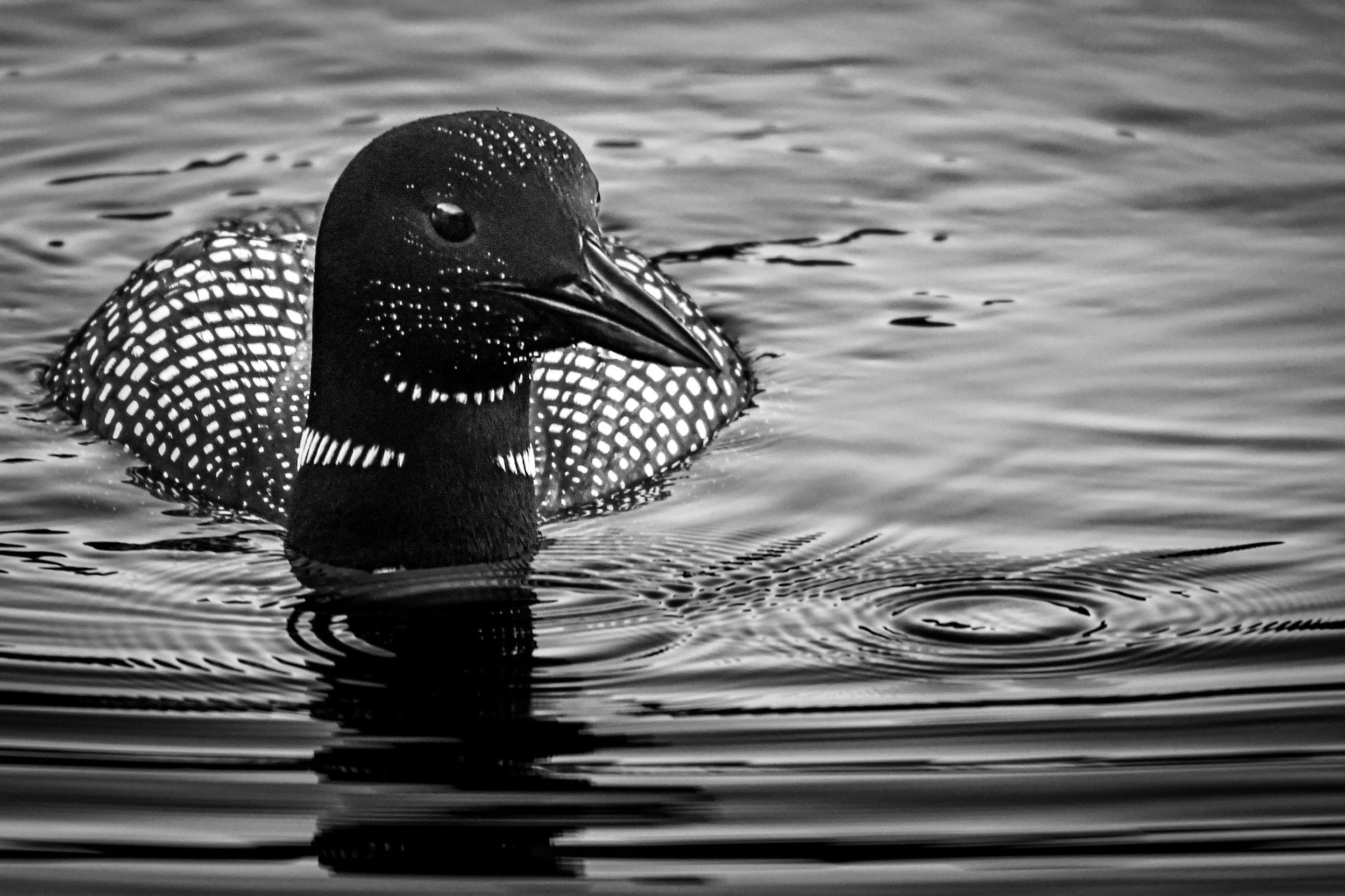
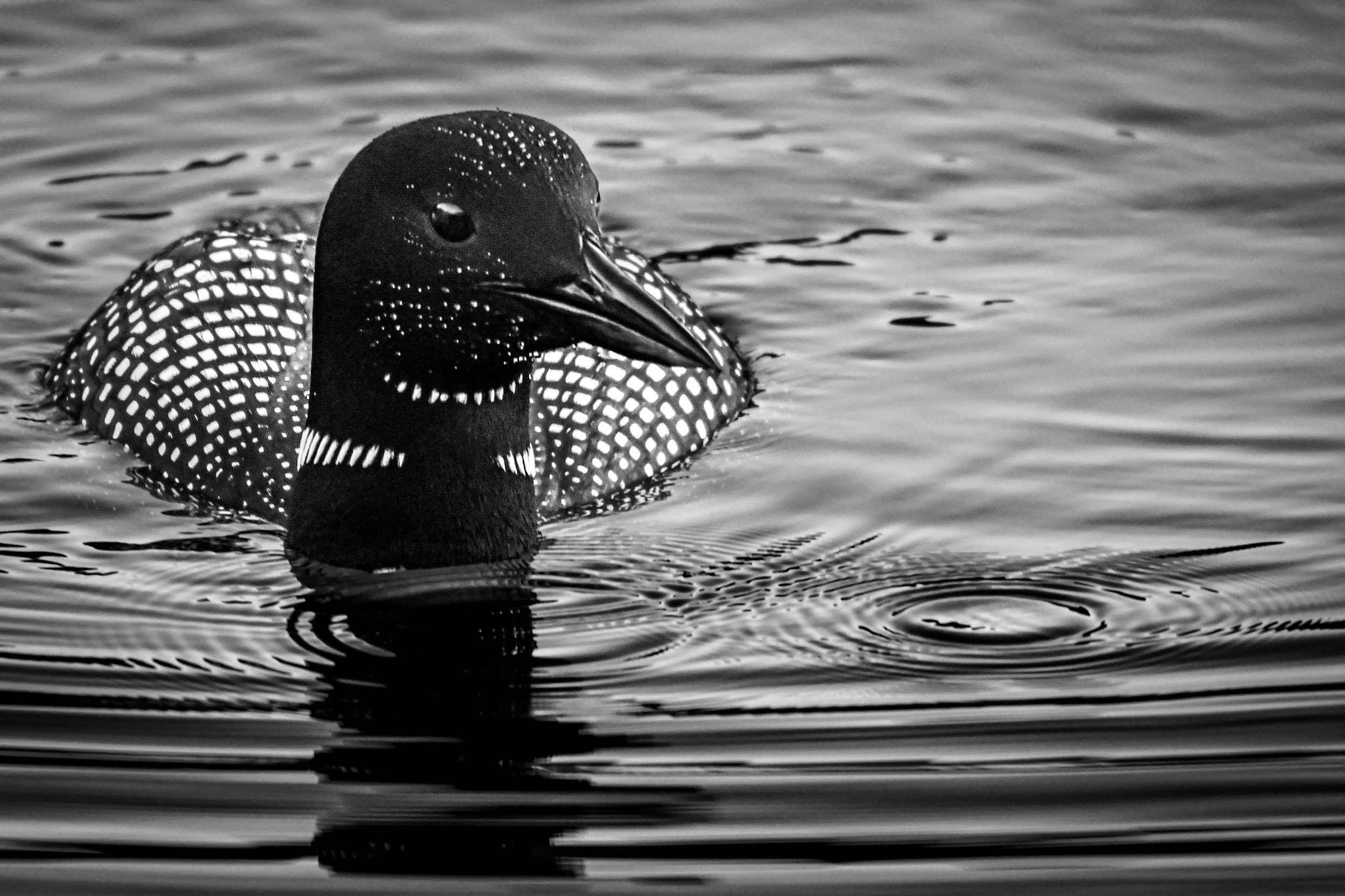
The common loon in the Adirondacks.
In the Adirondacks, a loon’s call can turn an ordinary morning or evening by the water into the moment everyone remembers. Recognizing that sound, however, is only the first step in understanding the bird behind it.
This winter, a Saranac Lake conservation organization is offering a closer look—without requiring anyone to launch a kayak in November.
The Adirondack Center for Loon Conservation’s returning Loon Zooms series brings six online presentations to wildlife enthusiasts from November 2026 through April 2027.
Researchers and conservation specialists will explore subjects ranging from nest cameras and lake stewardship to contaminants and the clues revealed by veterinary investigations.
Each program runs from 7 pm – 8 pm on the second Thursday of the month. Attendance costs $10 per presentation or $50 for all six, making the series an accessible way to spend a winter evening thinking about the lakes that shape Adirondack life. Adirondack Center for Loon Conservation.
ADK Taste is a weekly guide to Adirondack stories, food, and events. Subscribe to In Good Taste for more reasons to stay curious about the region.
A familiar bird with much more to reveal.
What makes Loon Zooms compelling is the chance to hear from people whose work goes well beyond spotting a black-and-white bird across a bay. These speakers study nesting, examine causes of death, track environmental exposure, and interpret observations collected by volunteers.

Loon with chick.
Their work adds another dimension to a familiar Adirondack experience. That distant silhouette on the water belongs to an animal whose survival depends on conditions that a casual lakeside observer may never notice.
The series also connects local interest with a wider scientific community. Speakers represent the Adirondack Center for Loon Conservation, Birds Canada, the Biodiversity Research Institute, and the University of New Hampshire. A favorite Adirondack bird becomes an entry point into questions that reach across lakes and borders.
No binoculars are required. A comfortable chair should suffice; an advanced degree can stay off the packing list.
Six evenings that follow the evidence.
The season opens on November 12, 2026, with Dr. Lizz Schuyler, the center’s senior director of science and conservation. Her presentation brings together the loon census, nest cameras, and lead fishing tackle under a practical theme: sharing the lake with loons.
On December 10, Birds Canada biologist Kathy Jones widens the view to other waterbirds. Her talk explores how an interest in loons and lakes can help build knowledge about wetlands and support conservation through community science.
The new year moves into less visible territory. On January 14, 2027, Micah Miller, director of the Biodiversity Research Institute’s Loon Program, examines PFAS, often called “forever chemicals.” Fish-eating loons can serve as indicators of environmental contamination, giving researchers a way to investigate exposure within lake food webs.
On February 11, University of New Hampshire veterinary pathologist Dr. Inga Sidor discusses common loon mortality in New England. Cases from her work offer a different perspective on the bird’s survival, examining established threats alongside emerging diseases and changing environmental conditions.
On March 11, Birds Canada research ecologist Dr. Matt Fuirst addresses widespread declines in common loon chick production. His presentation draws on research involving observations from thousands of volunteers, connecting the work of individual lake watchers with a much larger conservation picture.
The series returns to Adirondack stewardship on April 8. Schuyler and the center’s research biologist, Griffin Archambault, will review lessons from 2026 and discuss research and initiatives for 2027. It is a fitting final installment for anyone already thinking about the next season on the water.
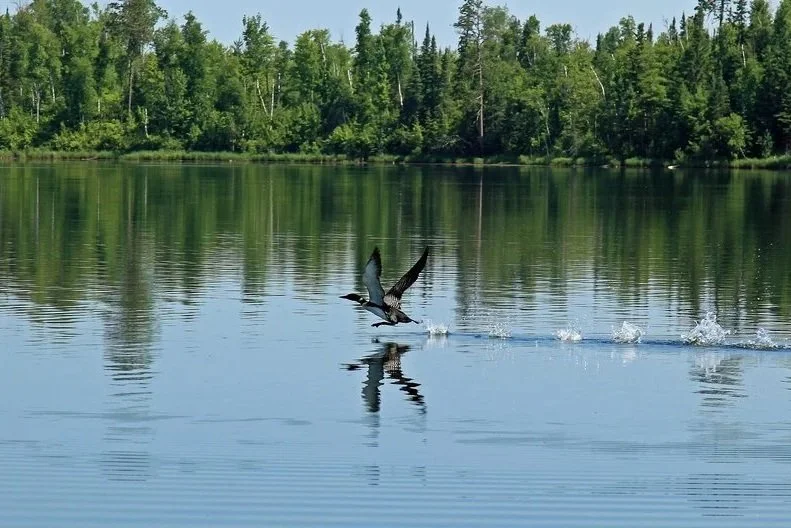
Loon navigating a smooth landing on an Adirondack lake.
Listen to ADK Talks podcast episode on protecting Adirondack loons.
What does it take to protect the birds behind that unmistakable call? In this episode of ADK Talks, Denise Silfee and Dr. Lizz Schuyler of the Adirondack Center for Loon Conservation discuss the science and everyday decisions shaping loon survival—from lead fishing tackle and boating activity to the health of Adirondack lakes.
The conversation offers an introduction to the conservation work behind Loon Zooms, with practical insights for paddlers, anglers, lakeside residents, and anyone who loves hearing a loon across the water.
Lizz Schuyler also leads the November Loon Zoom and co-presents April’s season finale, connecting this conversation with the winter series.
For more episode highlights and listening options, visit Protecting Adirondack Loons: The Science, the Threats, and the Hope.
ADK Taste recommendations.
Choose a single presentation that matches a particular interest, or book the full series for a broader understanding of loon conservation. Six individual registrations total $60; the $50 series option saves $10.
Registration is required through the Adirondack Center for Loon Conservation’s events page. According to the center’s series announcement, registration closes at noon the day before each presentation, and attendance links arrive by email that evening. For the November 12 opener, that means registering by noon on November 11.
The center advises booking early because space is limited. These are online events, so participation fits equally well into a winter visit, an evening at home in the Park, or a week spent missing the Adirondacks from somewhere considerably farther south.

Loon parent with chicks on its back.
ADK Taste perspective.
The best nature programs change what people notice afterward. Loon Zooms offers that possibility: a richer understanding of a bird many Adirondack residents and visitors already love, and a clearer sense of the research behind its protection.
By spring, a familiar lake may look a little different. The call will still carry across the water. There will simply be more to hear in it.
Keep the Adirondacks on your calendar. Subscribe to the ADK Taste newsletter for the best things to do in the Adirondacks, thoughtfully chosen stories, and places worth discovering.
The latest news and insights from ADK Taste.















Ultimate Guide to the Adirondacks
Your insider’s guide to exploring the Adirondacks—where to go, what to eat, and the experiences that make this place unforgettable.
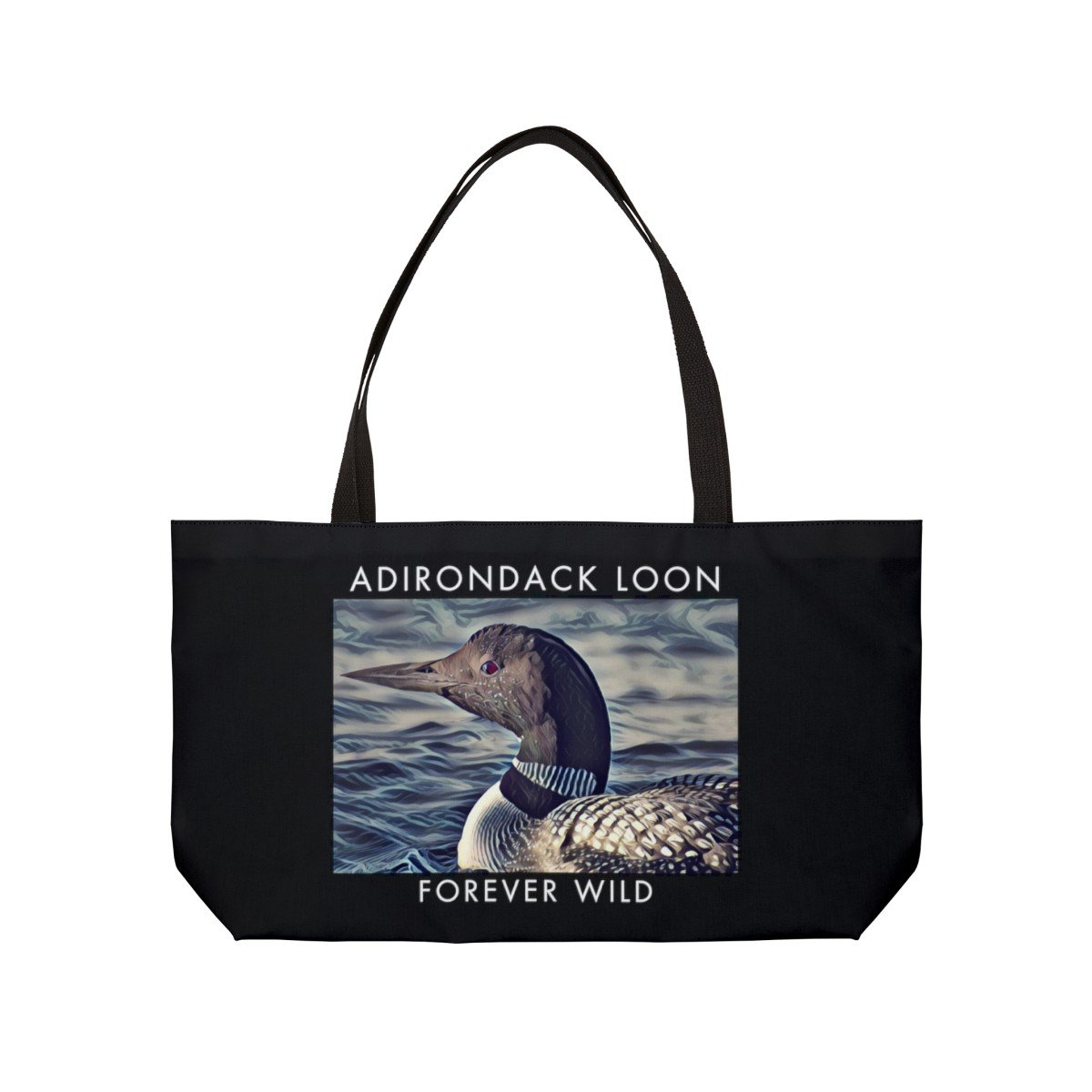
Shop for unique Adirondack apparel, gifts and merchandise.




















ADK Talks Podcast
Love the Adirondacks? You’ll love our podcast. We take listeners beyond the guidebooks and into the heart of the Adirondacks. We share stories from the people behind the best places to eat, shop, stay and explore in the ADK. Find us on Apple Podcasts, Spotify or wherever you listen to podcasts.

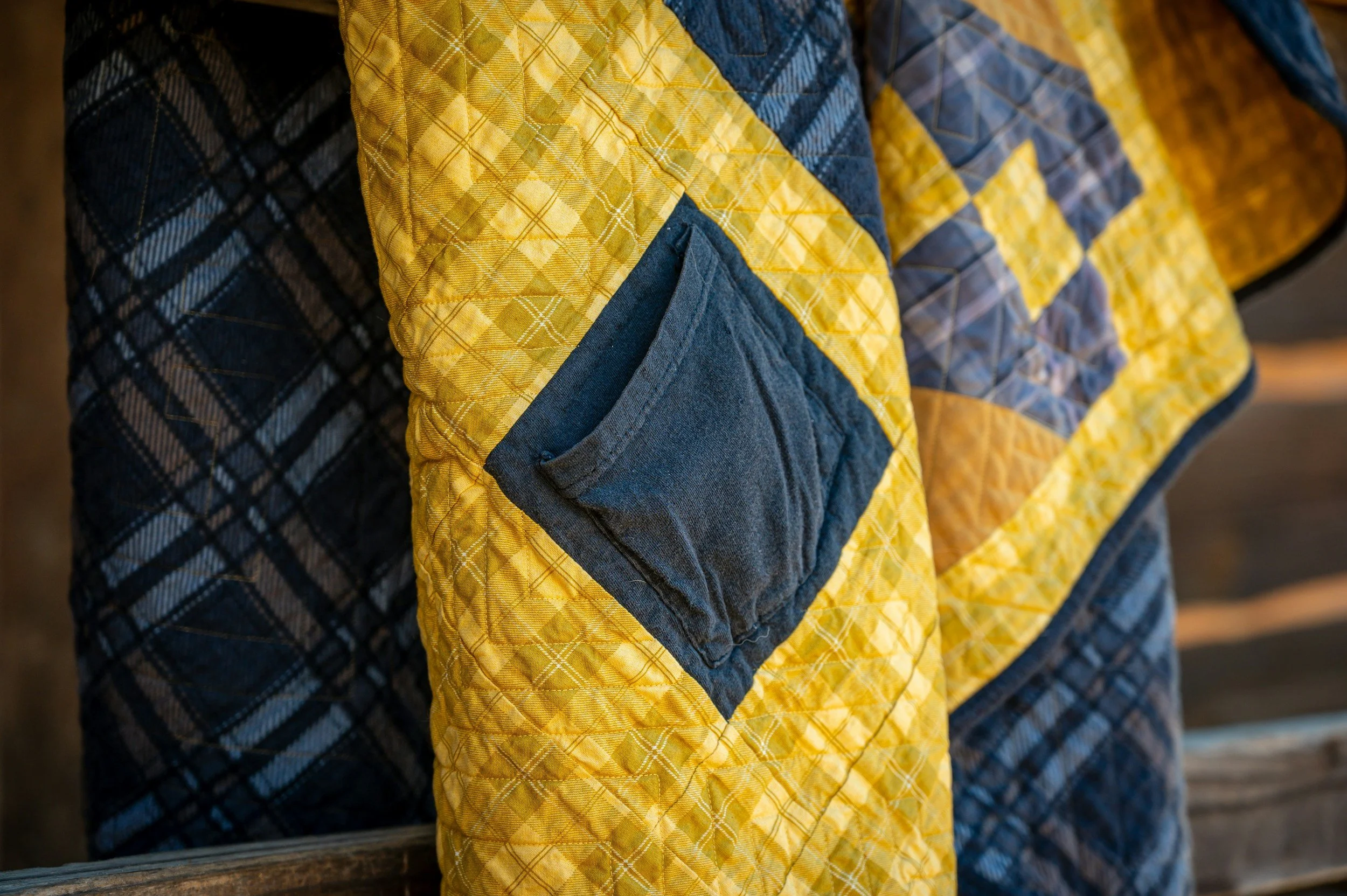









Show off your love for the Adirondacks in style with this Adirondack Park Unisex Heavy Blend™ Hoodie. Featuring a bold canoe-and-mountain design and “Est. 1892” tribute, this hoodie is a must-have for anyone who dreams of paddling serene Adirondack lakes or exploring rugged High Peaks.
Whether you’re relaxing by the campfire, strolling through Lake Placid, or looking for the perfect Adirondack-themed gift, this hoodie delivers warmth, comfort, and timeless style.
Crafted from a soft, durable cotton-poly blend, this item is ideal for layering year-round. The spacious kangaroo pouch pocket keeps hands warm on chilly evenings, and the adjustable drawstring hood adds a snug, cozy fit. Ethically produced with OEKO-TEX certified dyes, it’s as kind to the environment as it is to your weekend wardrobe. Extended sizes available.
This is more than just a hoodie—it’s a piece of the Adirondacks you can wear anywhere. Treat yourself or surprise the ADK enthusiast in your life—perfect for birthdays, graduations, or that next mountain getaway.
Product Highlights:
Soft & durable 50% cotton / 50% polyester blend
Spacious kangaroo pocket for warmth & convenience
Adjustable drawstring hood for the perfect fit
Ethically produced with OEKO-TEX certified dyes
Medium-heavy weight—ideal for year-round adventures
SMLXL2XL3XLWidth, in20.0822.0524.0225.9827.9929.92Length, in27.1727.9529.1329.9231.1031.89Sleeve length from center back, in33.5034.5035.5036.5037.5038.50Size tolerance, in1.501.501.501.501.501.50