
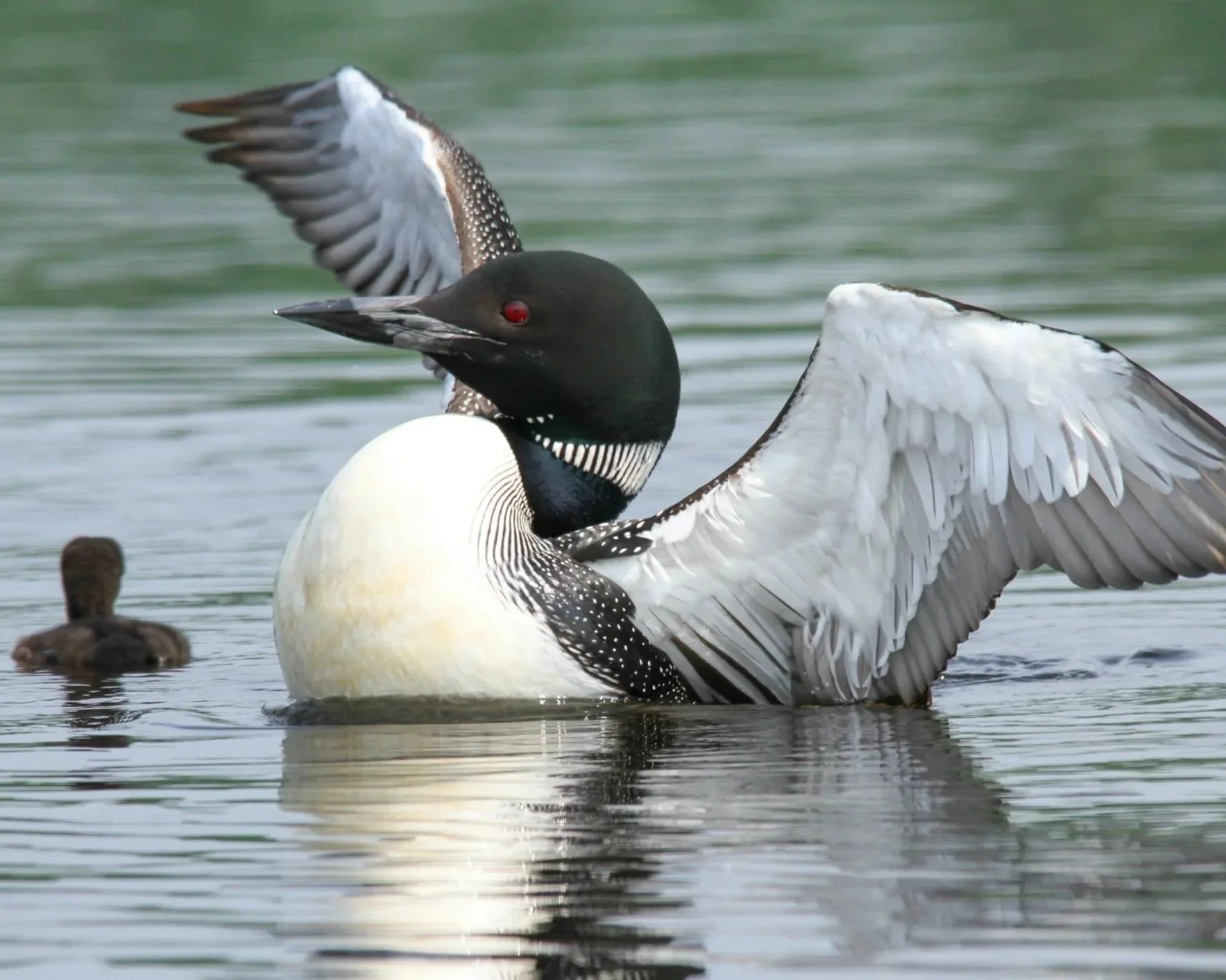
During St. Lawrence University’s Adirondack Semester, a yurt village becomes a campus for 12 students. All photos courtesy St. Lawrence University.
Few sounds define the Adirondacks quite like the call of a loon—echoing across a still lake at dusk, cutting through the quiet in a way that feels almost sacred. It’s the kind of moment that makes you stop, listen, and realize you’re exactly where you want to be.
But that moment is more fragile than most people realize.
In this episode of ADK Talks, we go beyond the surface of that iconic sound and into the science, the threats, and the very real work it takes to protect loons in the Adirondacks today.
Joining us are Denise Silfee and Dr. Lizz Schuyler from the Adirondack Center for Loon Conservation—two voices at the forefront of research, advocacy, and boots-on-the-water conservation.
From lead tackle to wake boats, from mercury pollution to community science, this conversation reveals just how interconnected our choices are with the health of Adirondack lakes—and the wildlife that depends on them.
Love stories like this? Get your weekly guide to Adirondack stories, food, and events—delivered straight to your inbox.
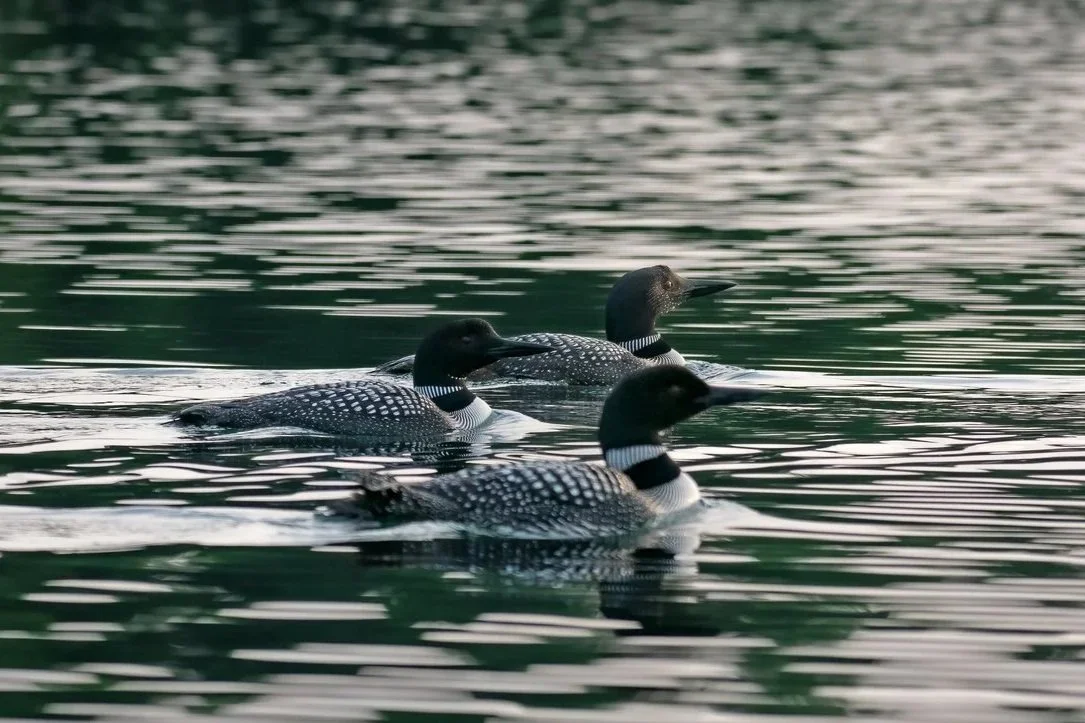
Loons.
What you’ll hear in this episode.
Why loons are considered “environmental sentinels”—and what they reveal about lake health
The surprising reality of where loons spend half their lives (hint: not in the Adirondacks)
How something as small as a fishing sinker can become a leading cause of death
The growing conversation around wake boats and their impact on Adirondack lakes
Why saving one adult loon can impact generations to come
The hidden life of Adirondack loons.
Loons may feel like permanent fixtures of Adirondack lakes, but their story is far more complex.
As Dr. Schuyler explains, these birds spend nearly half their lives at sea—often along the Atlantic coast—before returning to inland lakes to breed. That means much of their lifecycle remains a mystery, even to scientists.
What we do know is that loons are long-lived, territorial, and deeply tied to specific lakes. They don’t just visit—they return, year after year, to the same waters.
And that makes what happens on those lakes matter even more.
Why loons are a window into lake health.
Loons aren’t just beautiful—they’re indicators.
As top predators, they accumulate pollutants like mercury through the food chain. By studying loon blood, feathers, and eggshells, researchers can better understand what’s happening beneath the surface of Adirondack waters.
The good news? Some trends—like acid rain and mercury levels—have improved over time.
The caution? Those gains depend on continued monitoring and responsible environmental policies.
Because once pressures return, so do the problems.

Loon lakeside.
The threats you might not see.
Some threats to loons are obvious. Others are surprisingly small.
Lead fishing tackle, for example, remains a leading cause of death. When loons ingest sinkers or hooks—often through fish—they can die within weeks. There’s no rehab solution. No second chance.
Then there’s human disturbance. Getting too close to a nesting loon—even unintentionally—can disrupt incubation and expose eggs to predators.
And increasingly, there’s concern around wake boats.
These specialized boats generate large artificial waves, which can:
Flood shoreline nests
Stir up lakebed sediment
Reintroduce buried pollutants into the food chain
Reduce water clarity, making it harder for loons to hunt
The takeaway isn’t restriction—it’s awareness.
As Denise puts it: it’s about using Adirondack lakes responsibly, not eliminating enjoyment.
Small actions, real impact.
One of the most compelling parts of this conversation is how accessible conservation can be.
You don’t need a science degree to make a difference.
Simple actions—like switching to lead-free tackle, keeping your distance from wildlife, or properly disposing of fishing line—can have a measurable impact.
And for those who want to go further, the Adirondack Center for Loon Conservation offers ways to get involved:
The annual Loon Census (a one-hour volunteer effort with real scientific value)
Community science initiatives tracking lake activity
Guided paddles and educational programs
Even sponsoring a loon helps fund ongoing research and conservation.
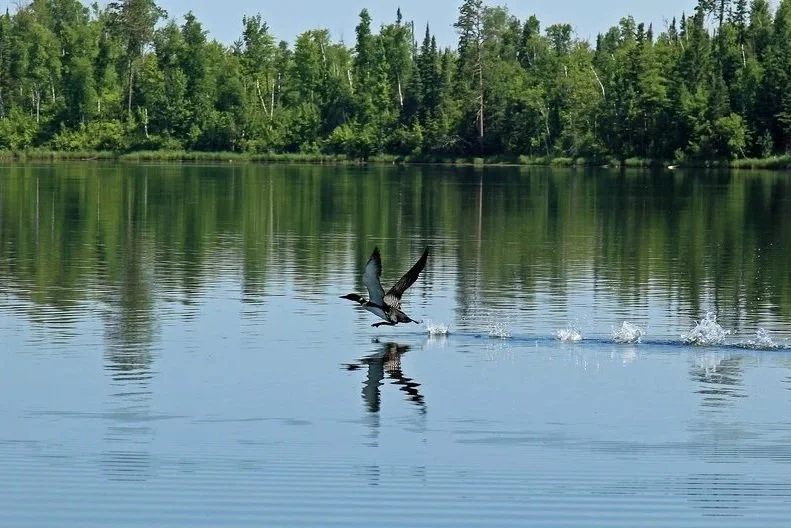
Loon taking flight.
Why this matters now.
This episode isn’t just about loons.
It’s about the Adirondack experience itself.
The stillness. The sound. The feeling of being somewhere untouched.
Those moments don’t happen by accident—they’re protected, studied, and sustained by people doing the work behind the scenes.
And as this conversation makes clear, we’re all part of that equation
Listen to the full episode.
ADK Taste recommendations.
Keep at least 100–150 feet from loons—if they change behavior, you’re too close
Swap out lead tackle for non-toxic alternatives
If you see a distressed loon, report it (don’t intervene yourself)
Be mindful of wake size, speed, and lake depth when boating
ADK Taste perspective.
There’s something beautifully powerful about realizing that the sound of a loon—the most iconic Adirondack moment there is—isn’t guaranteed.
It exists because people care enough to protect it.
And after listening to this episode, it’s hard not to feel like that responsibility belongs to all of us.
Mentioned in this episode.
Like this episode? Find us on your favorite podcast platform.
ADK Talks podcast listeners follow us on their favorite podcast platform. You can subscribe to ADK Talks on Apple Podcasts, Spotify, Amazon Music and even YouTube.
Don’t miss stories like this. Subscribe to the ADK Taste newsletter—your weekly guide to what’s worth experiencing in the Adirondacks.
Recent stories and insights from ADK Taste.












Ultimate Guide to the Adirondacks
Your insider’s guide to exploring the Adirondacks—where to go, what to eat, and the experiences that make this place unforgettable.
Shop for unique Adirondack apparel, gifts and merchandise.




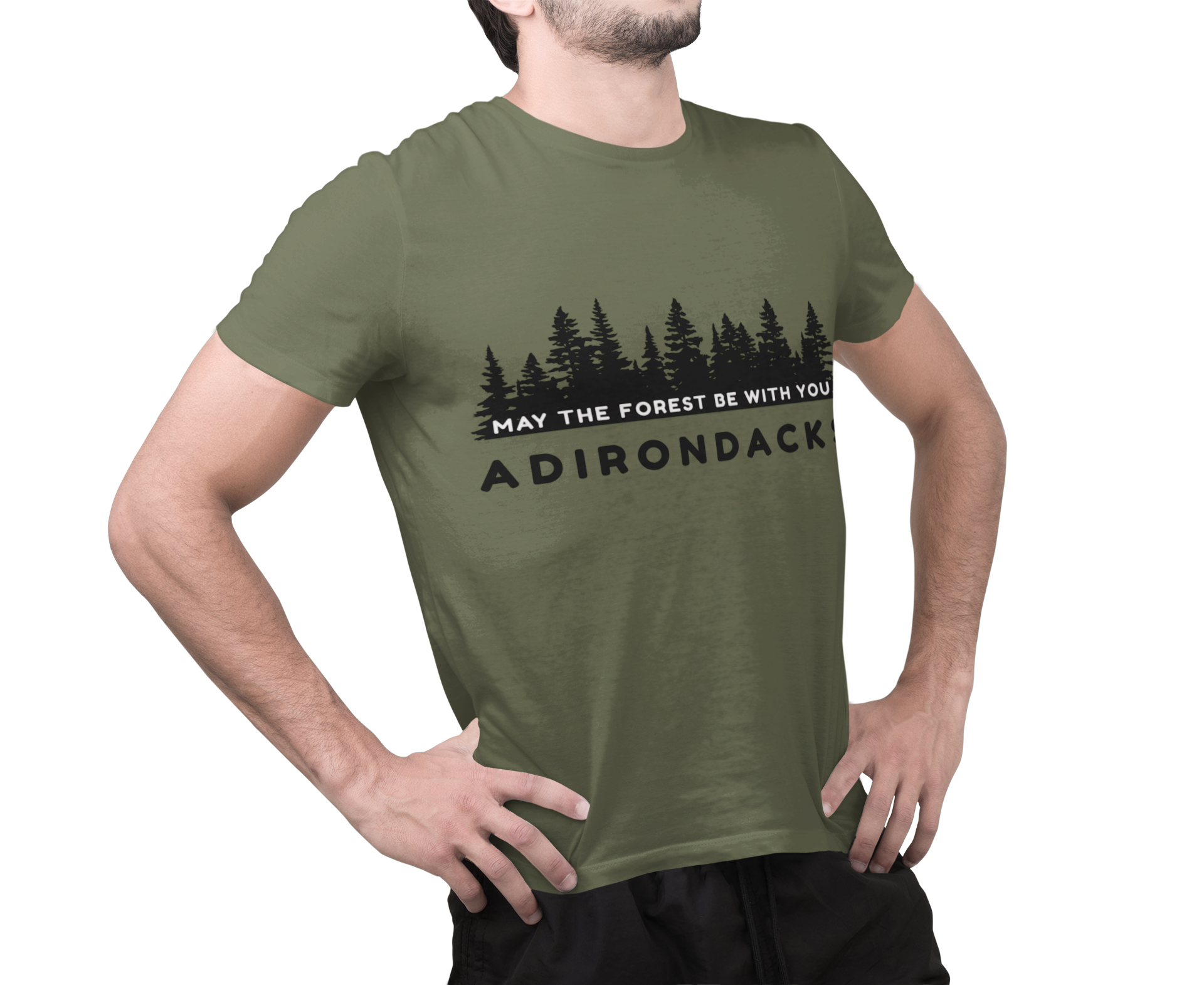


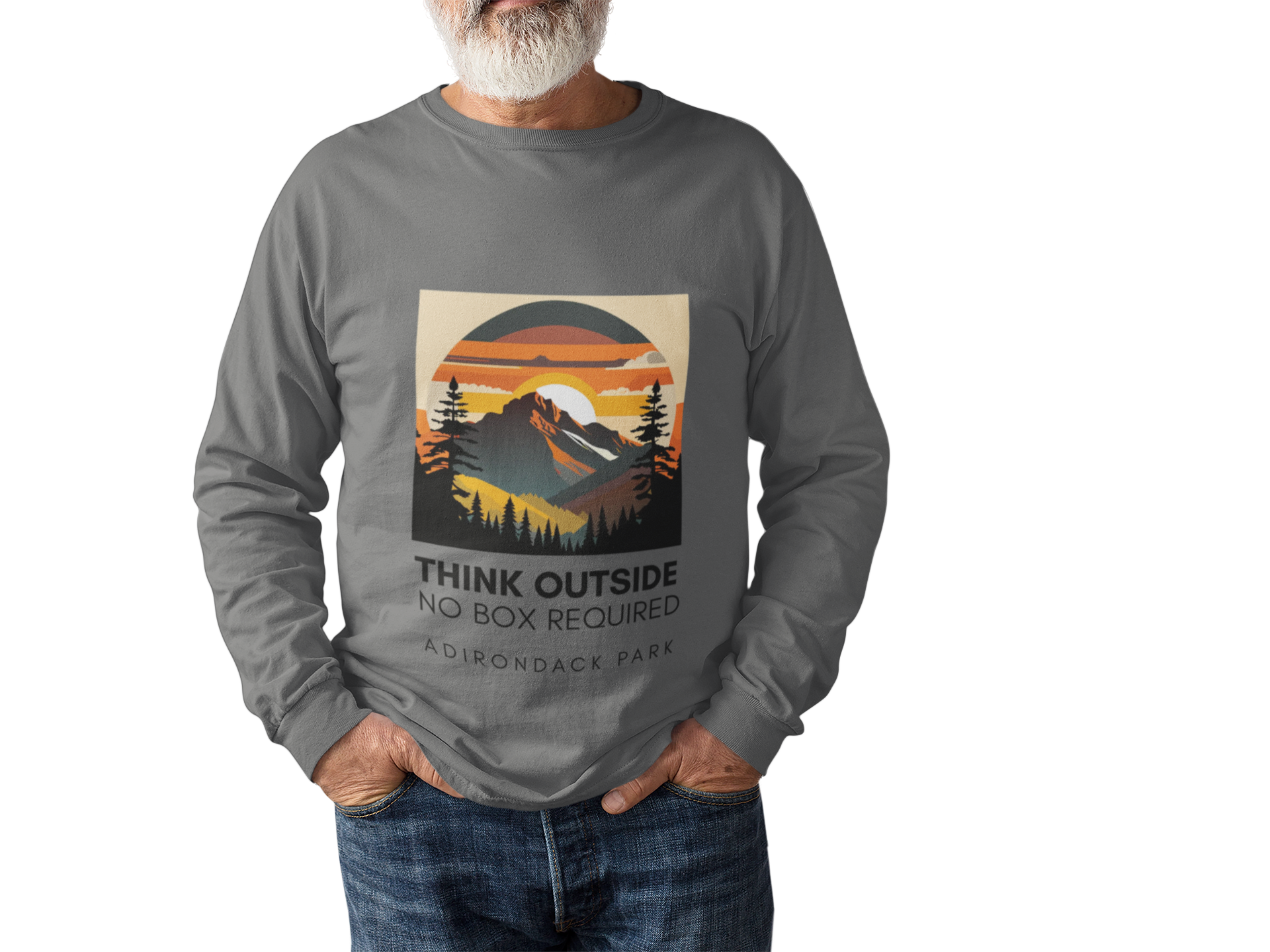






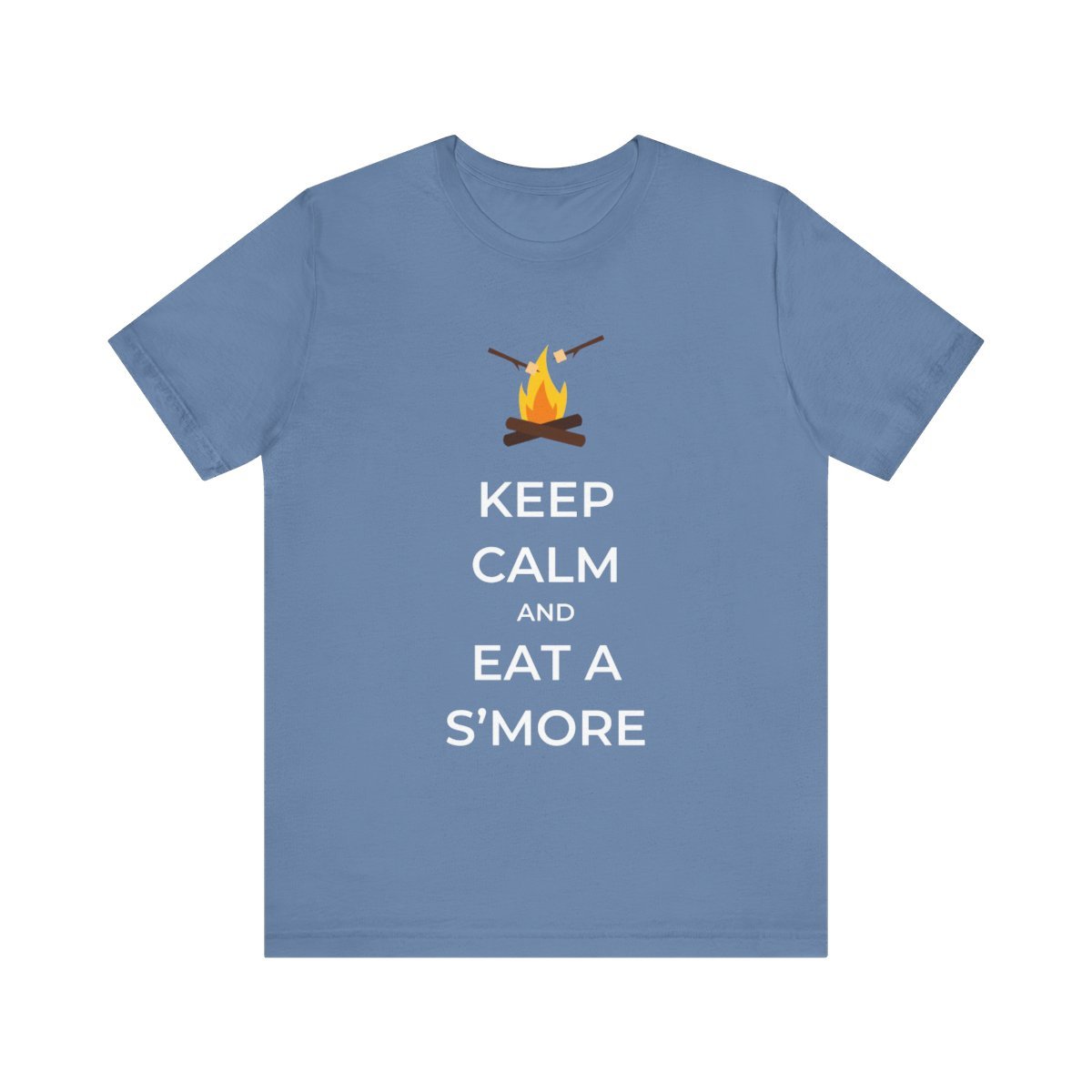
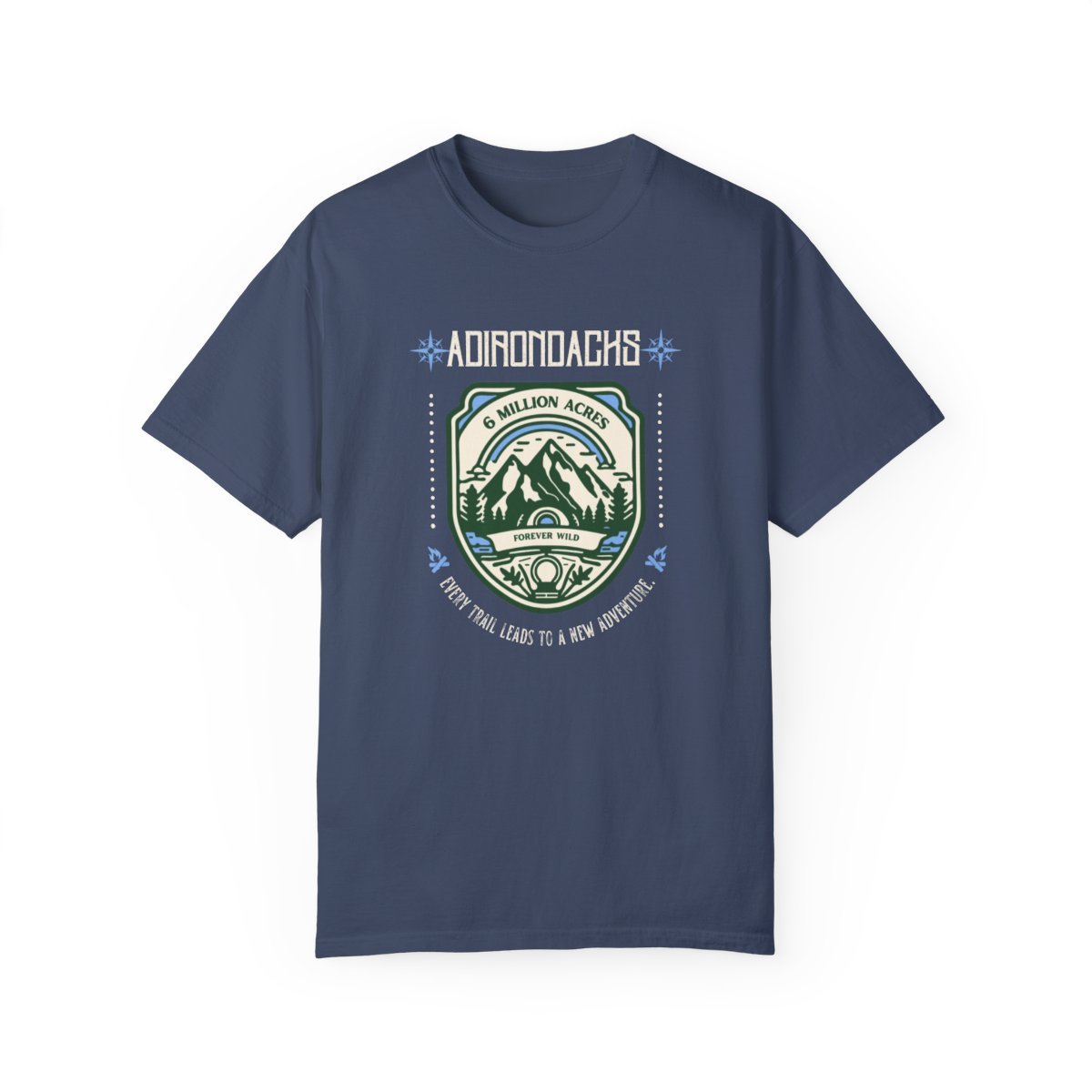





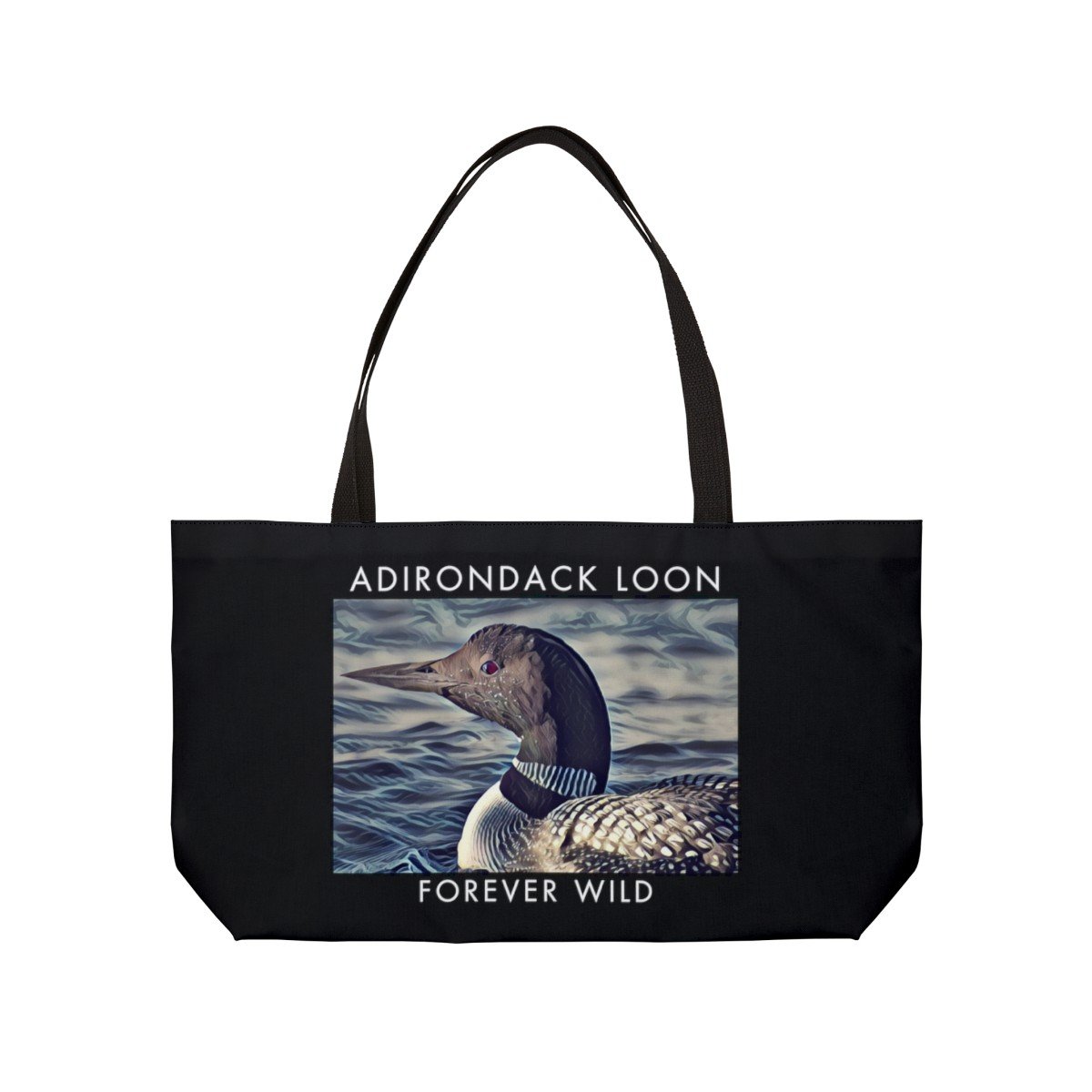



ADK Talks Podcast
Love the Adirondacks? You’ll love our podcast. We take listeners beyond the guidebooks and into the heart of the Adirondacks. We share stories from the people behind the best places to eat, shop, stay and explore in the ADK. Find us on Apple Podcasts, Spotify or wherever you listen to podcasts.




















Show off your love for the Adirondacks in style with this Adirondack Park Unisex Heavy Blend™ Hoodie. Featuring a bold canoe-and-mountain design and “Est. 1892” tribute, this hoodie is a must-have for anyone who dreams of paddling serene Adirondack lakes or exploring rugged High Peaks.
Whether you’re relaxing by the campfire, strolling through Lake Placid, or looking for the perfect Adirondack-themed gift, this hoodie delivers warmth, comfort, and timeless style.
Crafted from a soft, durable cotton-poly blend, this item is ideal for layering year-round. The spacious kangaroo pouch pocket keeps hands warm on chilly evenings, and the adjustable drawstring hood adds a snug, cozy fit. Ethically produced with OEKO-TEX certified dyes, it’s as kind to the environment as it is to your weekend wardrobe. Extended sizes available.
This is more than just a hoodie—it’s a piece of the Adirondacks you can wear anywhere. Treat yourself or surprise the ADK enthusiast in your life—perfect for birthdays, graduations, or that next mountain getaway.
Product Highlights:
Soft & durable 50% cotton / 50% polyester blend
Spacious kangaroo pocket for warmth & convenience
Adjustable drawstring hood for the perfect fit
Ethically produced with OEKO-TEX certified dyes
Medium-heavy weight—ideal for year-round adventures
SMLXL2XL3XLWidth, in20.0822.0524.0225.9827.9929.92Length, in27.1727.9529.1329.9231.1031.89Sleeve length from center back, in33.5034.5035.5036.5037.5038.50Size tolerance, in1.501.501.501.501.501.50