
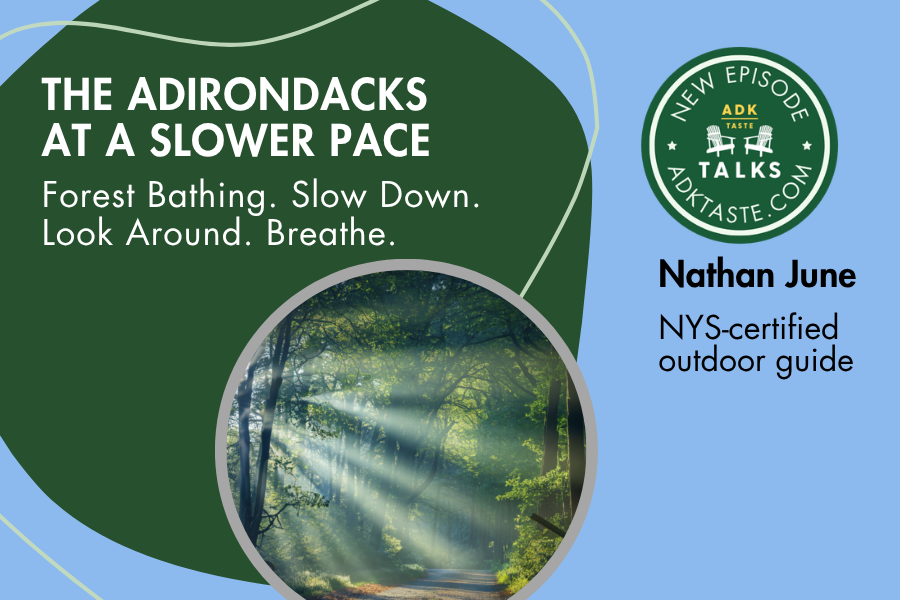
The Adirondacks at a Slower Pace: Forest Bathing with Nathan June.
In the Adirondacks, outdoor adventures often come with a goal: reach the summit, paddle the lake, ski the trail, log the miles. Nathan June has another idea.
Slow down. Look around. Breathe.
June, a New York State-certified outdoor guide and founder of Nathan’s Nature Navigations, specializes in forest bathing and mindful outdoor experiences—a way of spending time in nature that focuses less on getting somewhere and more on noticing what’s already there.
For June, however, slowing down in the woods isn’t simply another way to experience the Adirondacks. It grew out of a life-changing experience of his own.
Listen: The Adirondacks at a Slower Pace.
What if your next Adirondack adventure wasn’t about getting anywhere? Hear Nathan June explain forest bathing, the health crisis that changed his relationship with the outdoors, and what can happen when we stop long enough to notice what’s around us.
Keep reading for more of Nathan’s story, what “soft fascination” means and the simple practice anyone can try the next time they step outside.
Want more Adirondack stories worth slowing down for? Sign up for In Good Taste, ADK Taste’s weekly guide to the people, places, food and experiences worth discovering across the region.
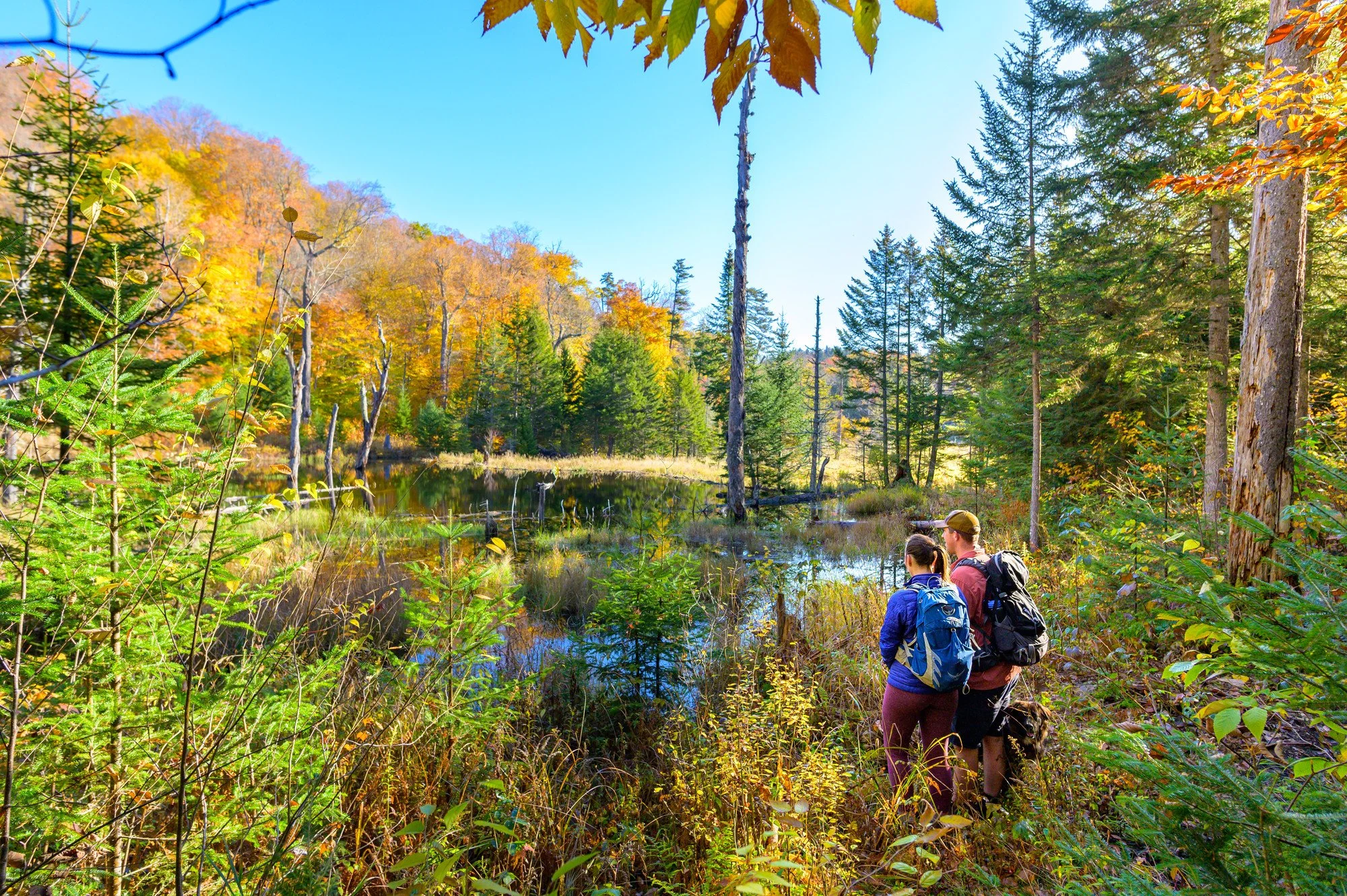
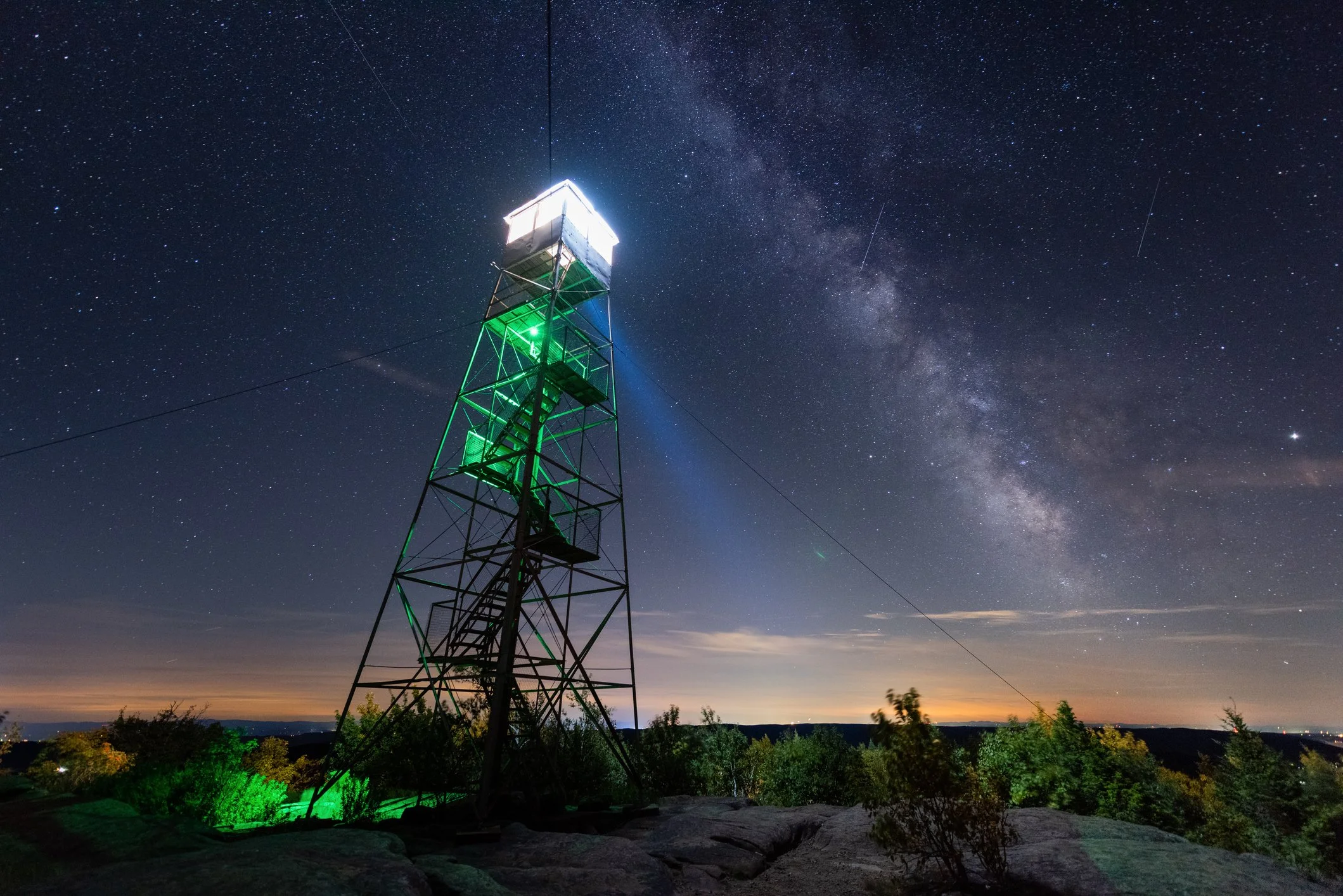
Taking a moment to appreciate the surroundings on the trail to the Vanderwalker Fire Tower.
What exactly is forest bathing?
First, let’s get this out of the way: no bathing suit required.
Forest bathing comes from the Japanese term shinrin-yoku and centers on intentionally slowing down and engaging with the natural world through the senses. Rather than setting a destination or measuring miles, participants notice the movement of leaves, the sound of water, the feel of wind against their skin or the scent of balsam in the air.
June describes his role as less about leading people somewhere and more about creating the conditions for them to notice what surrounds them.
That distinction matters.
A traditional Adirondack outing might be organized around reaching a summit, catching a fish or completing a paddle. During a forest bathing experience, there may be no finish line at all.
What you’ll hear.
In this episode of ADK Talks, Jane and Steve talk with June about:
What forest bathing actually is—and why it’s different from simply taking a walk in the woods
How a serious health crisis and liver transplant changed June’s relationship with nature
The concept of “soft fascination” and what happens when people stop trying to accomplish something outdoors
Why the Adirondacks’ forests, changing seasons and wild character make the region particularly suited to mindful outdoor experiences
The unexpected encounter June had with a porcupine after sitting quietly beside an Adirondack pond
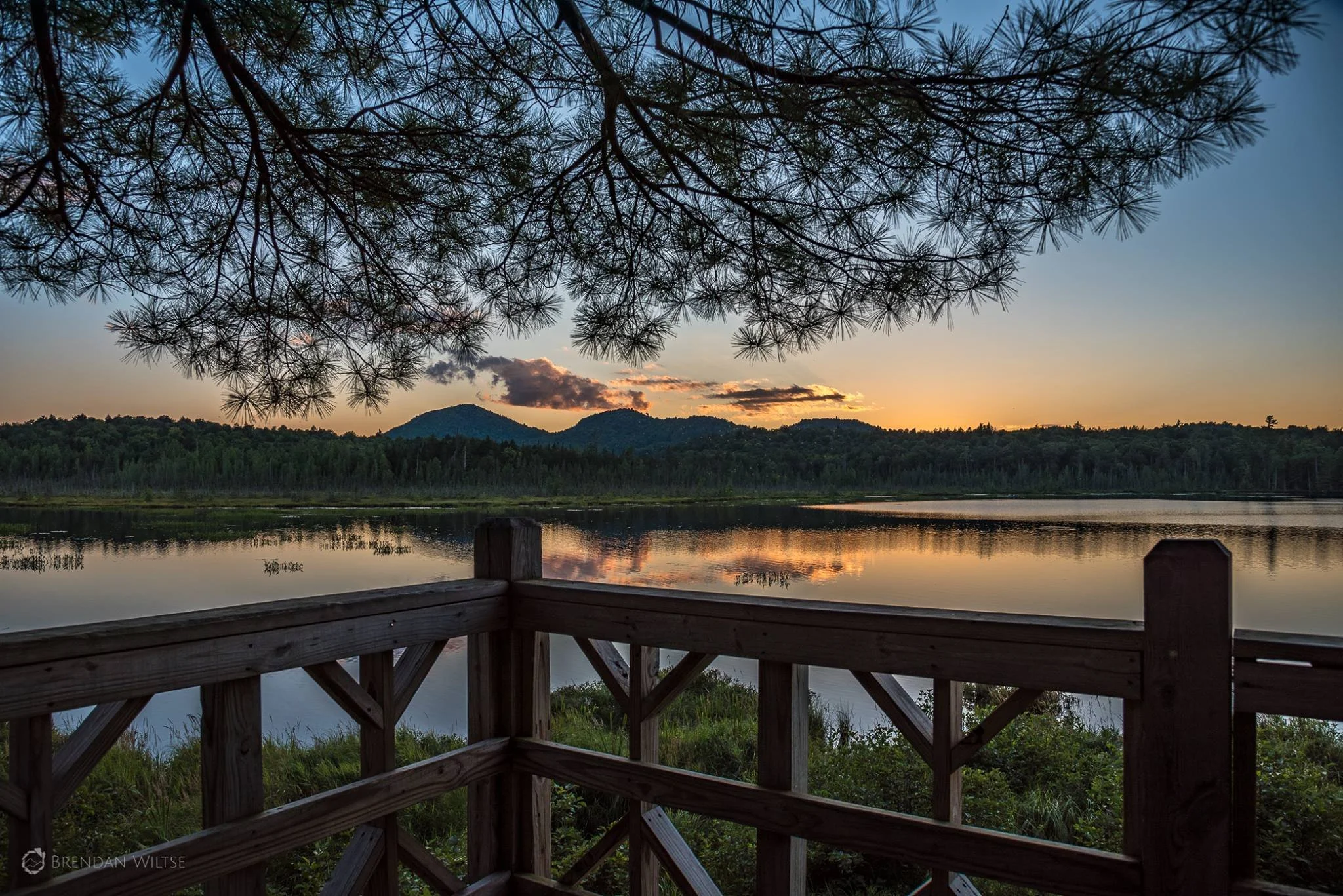
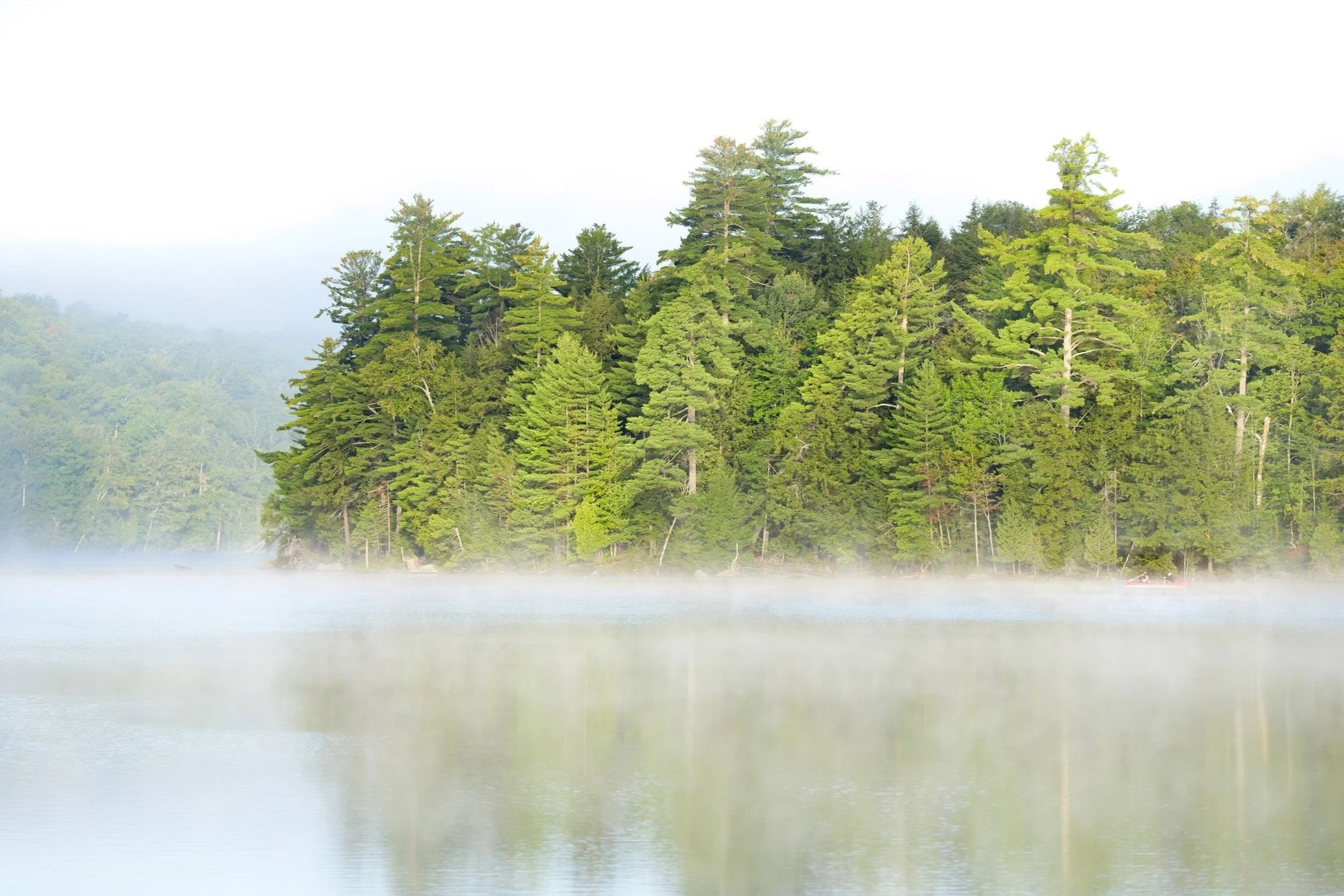
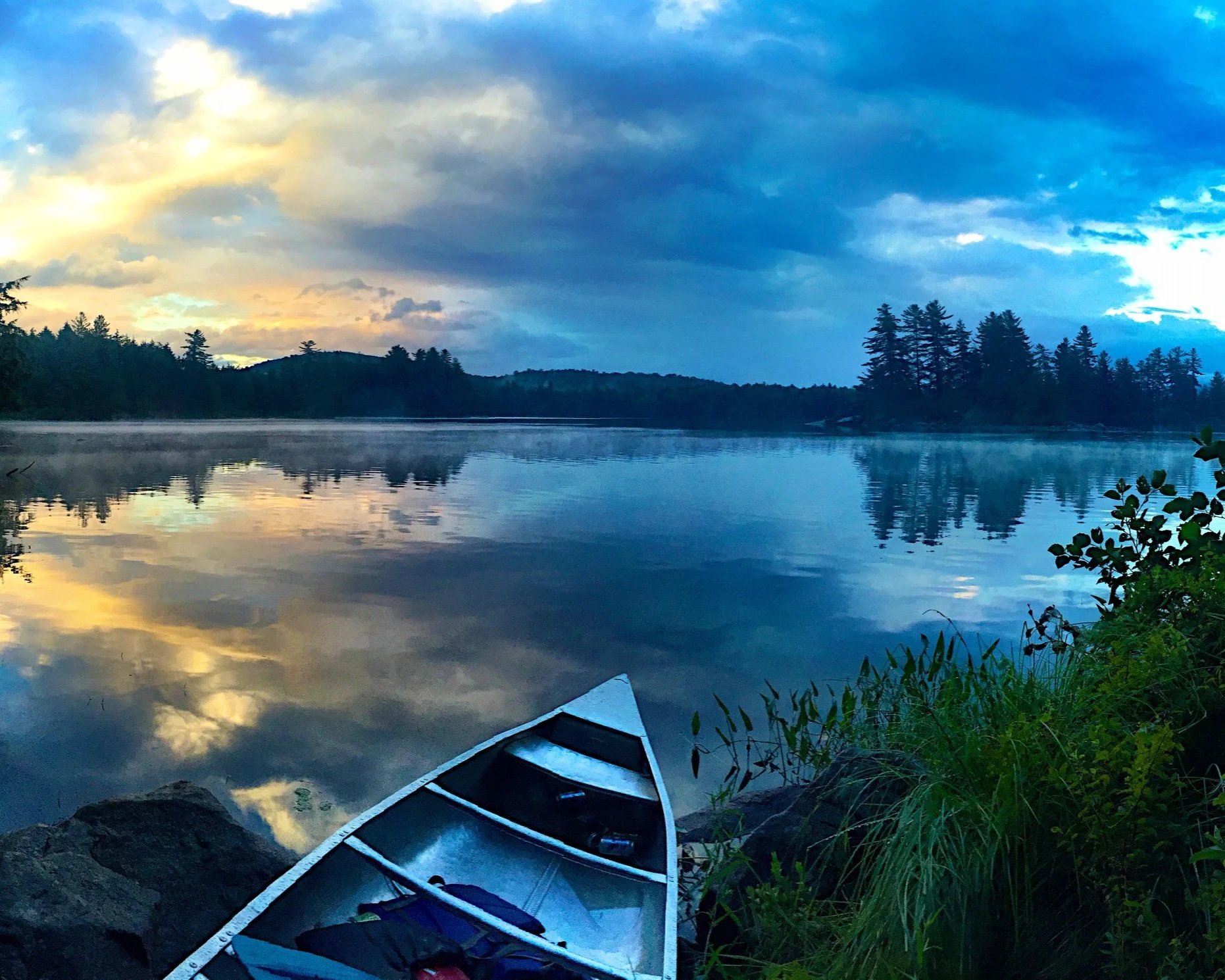
A perfect spot for reflection, Barnum Pond at Paul Smith’s Visitor Interpretive Center.
From Eagle Scout to mindful outdoor guide.
June’s connection to the outdoors started long before he encountered forest bathing.
Growing up in Schenectady and Hudson Falls, he remembers escaping into rural places whenever he could. Even at home in Schenectady, his mother knew she could often find him tucked away near the lilac bushes.
Scouting deepened that connection. June became an Eagle Scout and carried the Boy Scout motto—“Be prepared”—into adulthood. He later studied adventure-based outdoor recreation at SUNY Adirondack, built trails through AmeriCorps, worked at YMCAs and children’s camps, and spent time working at Adirondack attractions.
The outdoors was already central to his life.
Then, in 2016, everything changed.

The view of Lake George from atop Prospect Mountain.
June had been diagnosed in his 20s with Alagille syndrome, a rare genetic disorder that can affect the liver and other organs. As his health declined, doctors determined he needed a liver transplant.
After months of uncertainty, June’s cousin became his living donor.
The surgery gave him another chance at life. Recovery also forced an outdoorsman accustomed to hiking, paddling and pursuing a destination to experience nature differently.
Discovering the power of slowing down.
June wasn’t climbing mountains immediately after transplant surgery. But he could get outside.
He began visiting parks and accessible places around Lake George where he could be surrounded by nature without undertaking a strenuous hike. He noticed the sense of peace he experienced simply by being there.
That observation led him to look for answers.
Eventually, he discovered forest bathing, explored forest therapy and trained through Kripalu’s Mindful Outdoor Guiding program. What began as part of his own recovery evolved into something he wanted to share with others.
Today, through Nathan’s Nature Navigations, June leads guided outdoor experiences designed to help people become more aware of the natural world around them.
The art of “soft fascination.”
One of the most intriguing ideas June introduces in the conversation is soft fascination.
Think about watching clouds drift overhead. Leaves move in the breeze. Water traveling over a rock. Sunlight shifting through a forest canopy.
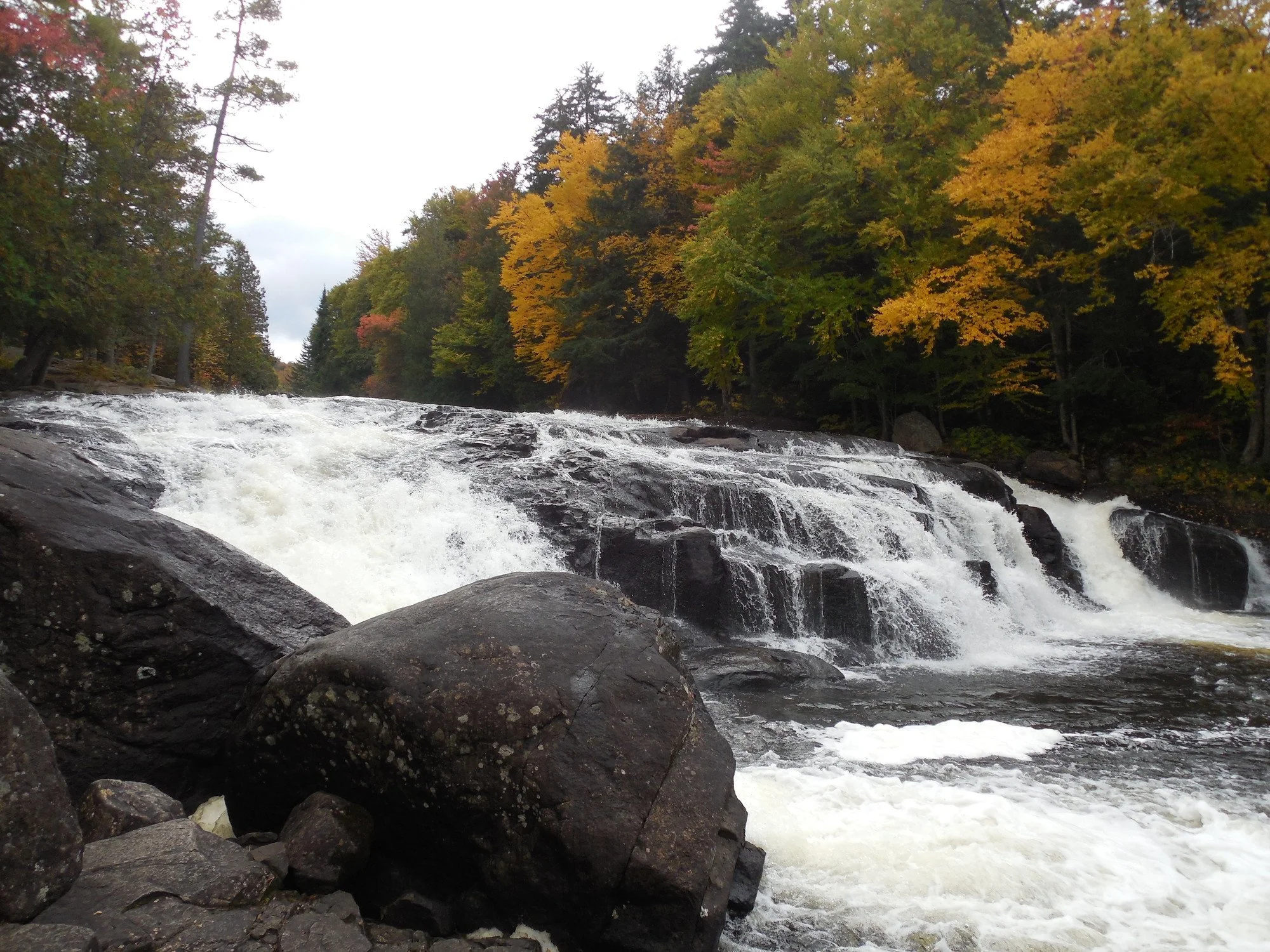
Buttermilk Falls, south of the t\Town of Long Lake.
None demands intense concentration. Yet each gently holds attention.
That can be surprisingly difficult for people accustomed to approaching the outdoors with an objective. June has guided experienced hikers who naturally want to keep moving toward the next destination. Forest bathing asks them to do something else entirely.
Stop.
Notice the tree. Watch the water. Listen.
June says he sometimes sees a sense of childlike wonder emerge as participants focus less on what they’re supposed to accomplish and more on what is happening around them.
An Adirondack experience without a finish line.
That philosophy presents an interesting counterpoint in a region famous for outdoor accomplishments.
The Adirondacks have the 46 High Peaks, fire tower challenges, long-distance paddles, races and endless opportunities to track mileage and elevation. All are worthy pursuits.
Forest bathing doesn’t reject any of them. It simply offers another option.
And the Adirondacks provide quite a setting for it.
June talks about the region’s forest diversity, from hardwood stands to boreal environments filled with spruce and balsam. Seasons transform the experience as well. A forest in July engages the senses differently than the same landscape under snow.
Wildlife sometimes gets involved, too.
During one of June’s “sit spot” practices, he settled quietly beside a pond long enough for the wildlife around him to become accustomed to his presence. Eventually, a porcupine wandered over and sat beside him.
It was an encounter unlikely to happen while racing toward a trail marker.
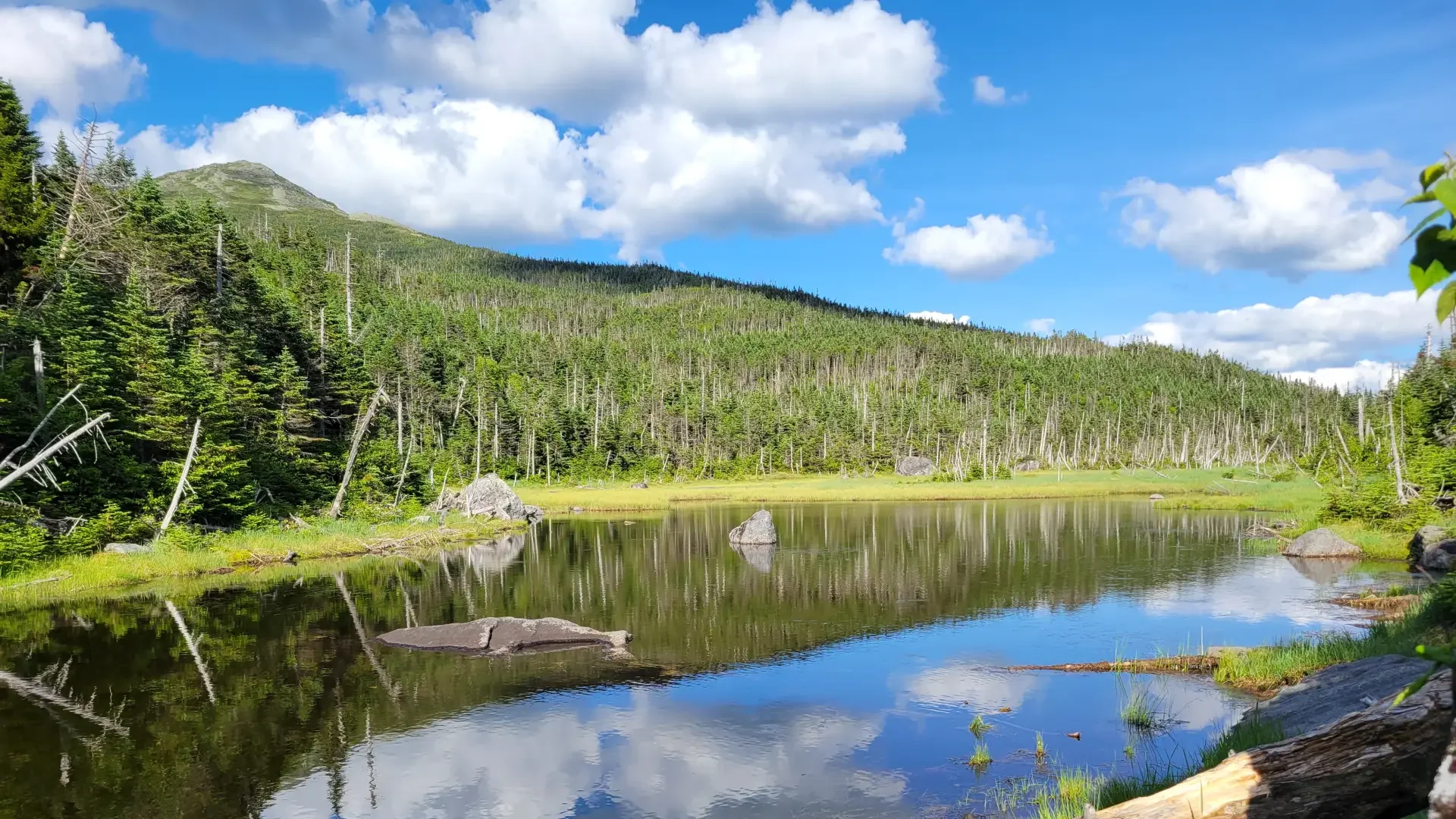
It doesn’t get more Adirondack than Lake Tear of the Clouds, source of the Hudson River.
You don’t need wilderness to start.
Perhaps the most accessible takeaway from the conversation is that mindful nature experiences don’t require a High Peak—or even the Adirondacks.
June sometimes leads forest bathing experiences in urban settings. A neighborhood park can work. So can a garden.
His simplest advice for someone curious about the practice?
Start with the breath.
Then slow down enough to notice the breeze against your skin, the clouds overhead or the movement of the trees. The goal isn’t to perform mindfulness correctly. It’s simply to pay attention.
And perhaps that is what makes forest bathing particularly interesting in the Adirondacks.
A region with six million acres gives people an almost limitless number of places to go.
Every once in a while, it might be worth going nowhere at all.
Nathan’s Adirondack gem.
Every ADK Talks guest shares a favorite place in the Adirondacks, and June chose a spot fitting for this conversation: Inman Pond, on the east side of Lake George.
He describes it as a secluded place where he has practiced bushcraft skills, found peace and explored remnants of earlier human activity as the forest gradually reclaimed the landscape.
More importantly, it helped shape one of the ideas at the heart of his work: humans are part of nature, not apart from it.
To learn more about Nathan June and guided forest bathing and mindful outdoor experiences, visit Nathan’s Nature Navigations.
Ready for more Adirondack stories? Listen to more episodes of ADK Talks, follow the podcast on your favorite listening platform and subscribe to In Good Taste for a fresh collection of Adirondack discoveries delivered each week.
Discover the latest news and insights from ADK Taste.





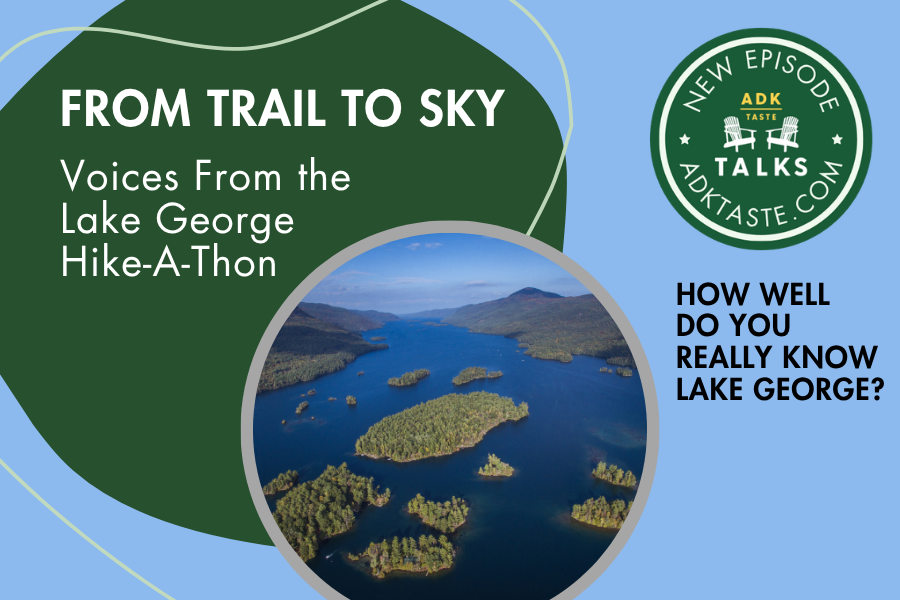



Ultimate Guide to the Adirondacks
Your insider’s guide to exploring the Adirondacks—where to go, what to eat, and the experiences that make this place unforgettable.
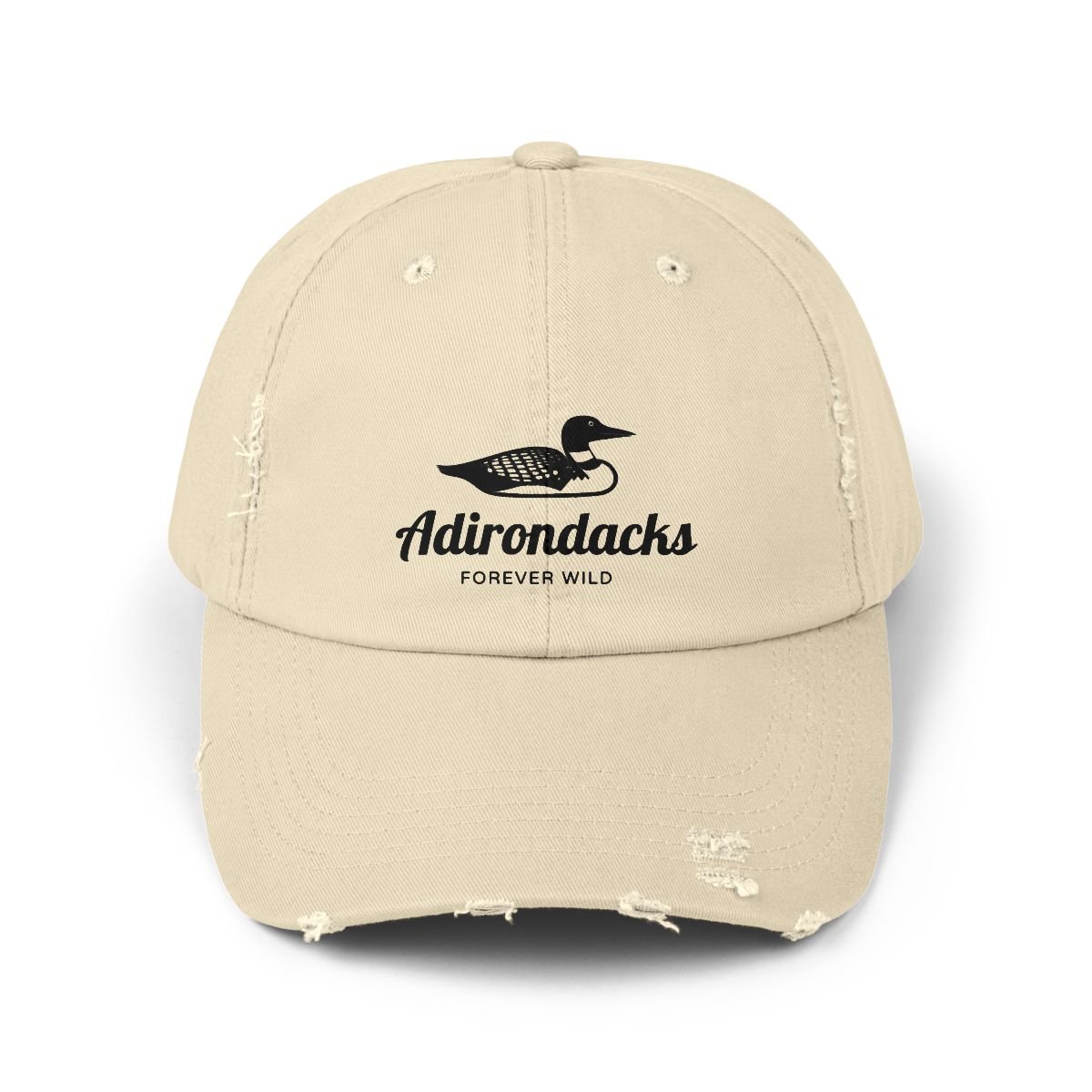
Shop for unique Adirondack apparel, gifts and merchandise.
















ADK Talks Podcast
Love the Adirondacks? You’ll love our podcast. We take listeners beyond the guidebooks and into the heart of the Adirondacks. We share stories from the people behind the best places to eat, shop, stay and explore in the ADK. Find us on Apple Podcasts, Spotify or wherever you listen to podcasts.












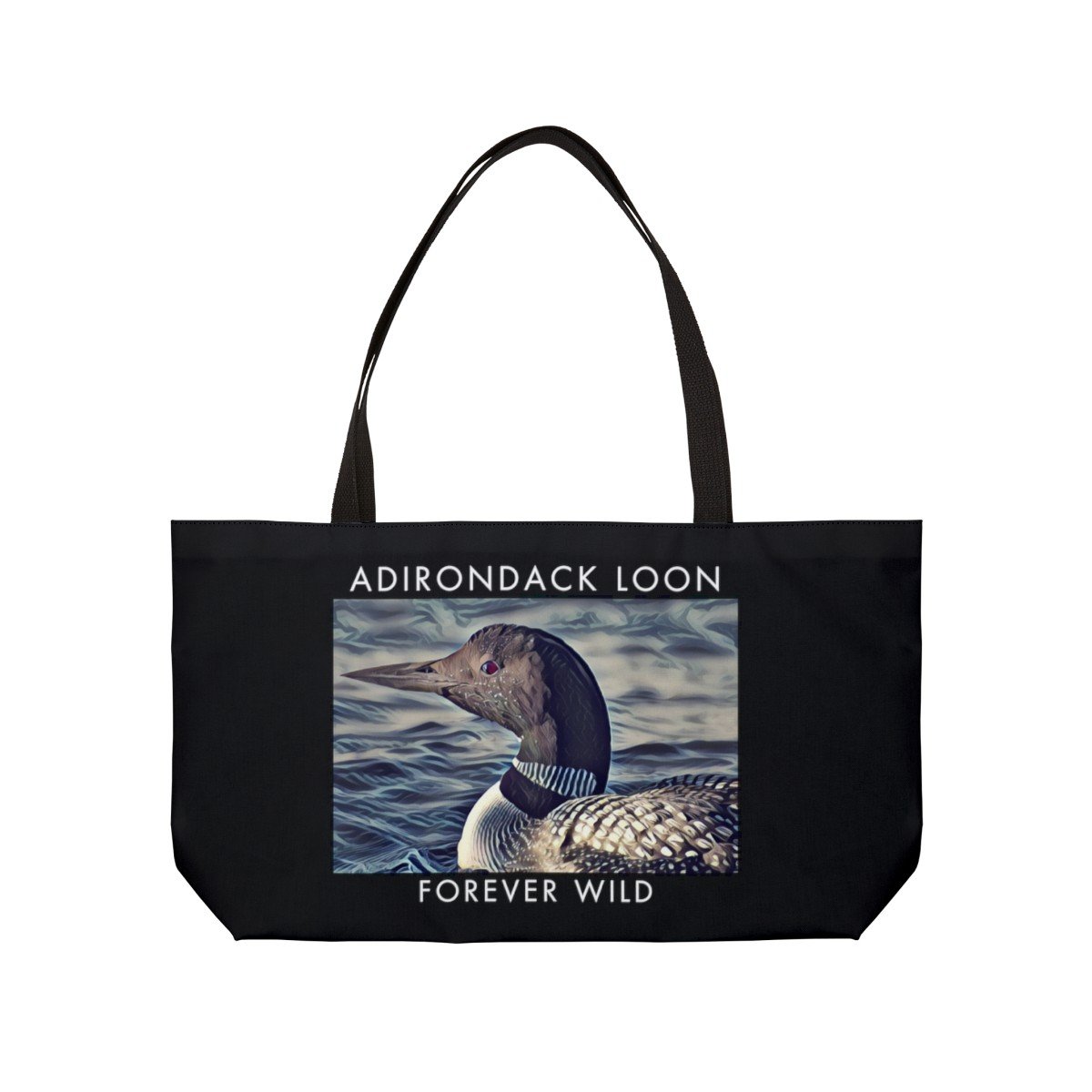
Bring a bold splash of the Adirondack spirit wherever you roam with this vibrant, adventure-ready tote bag. Featuring a chic golden hue and a retro-style design, this tote is more than just an accessory—it’s a statement of your love for the mountains, forests, and lakes that make the Adirondacks legendary.
Crafted from durable, easy-care polyester and finished with reinforced stitching, this bag is made to go the distance—from farmers’ markets to campsites, library runs to beach days. The roomy boxed corners make packing snacks, sweaters, books, or souvenirs a breeze, while the sturdy navy or black straps sit comfortably on your shoulder no matter how full the day (or the bag).
And with the playful “Find the Good Stuff Here” message on the reverse, this tote is a nod to curiosity, good vibes, and great finds.
Perfect for:
Day trips to your favorite lake or historic site
Grocery hauls and artisan market strolls
Picnic gear, beach towels, or a cozy flannel
Commuters who love to keep it wild
Gift-givers looking for something both beautiful and useful
Product Features:
100% polyester for strength and durability
Reinforced handle stitching for everyday carry confidence
Spacious 16" x 16" design with boxed corners for easy packing
Soft yet sturdy medium-weight fabric
Stylish navy handles to complement any outfit
Go ahead—Find the Good Stuff. Carry it in style.
A perfect gift for Adirondack lovers, nature enthusiasts, and anyone who believes “Forever Wild” is more than a motto—it’s a way of life.