
Adirondack Black Fly Season: How to Survive the Tiny Terrors of Spring
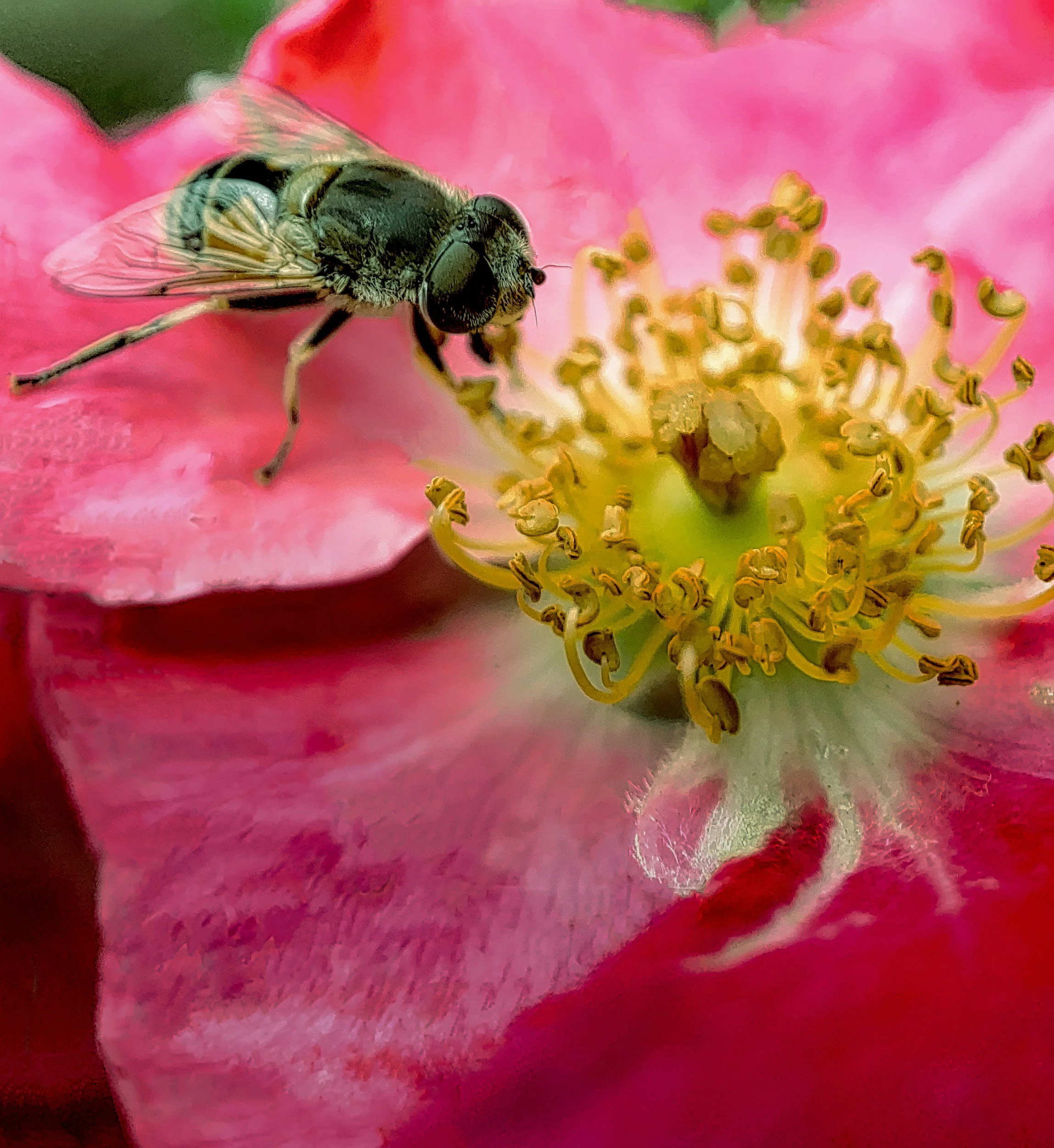
The Adirondack Black Fly, also known as a Buffalo Gnat.
There is a specific Adirondack rite of passage that arrives somewhere between mud season and perfect summer lake weather. It buzzes around ears, ignores personal boundaries, and can turn a peaceful hike into an interpretive dance performance.
Black fly season has officially returned to the Adirondacks.
From late May through much of June, these tiny biting insects emerge across the six-million-acre park in astonishing numbers. For longtime Adirondackers, they are as predictable as maple season or July thunderstorms. For first-time visitors? They are often a profound emotional experience.
And yet, black flies are also deeply woven into Adirondack culture. Entire vacation schedules, hiking plans, and porch cocktail strategies are built around them.
Because in the Adirondacks, spring beauty always comes with a small catch. Usually, several thousand of them.
After all, there is a reason locals sometimes joke that the Adirondack state bird is the black fly.
Love Adirondack stories, seasonal survival guides, food finds, and insider travel tips? ADK Taste provides a weekly email guide to the Adirondacks worth opening.
What exactly are black flies?
Black flies are tiny biting insects from the Simuliidae family. Unlike mosquitoes, they do not pierce skin with a needle-like bite. Instead, they cut the skin and feed from the resulting pool of blood. Charming.
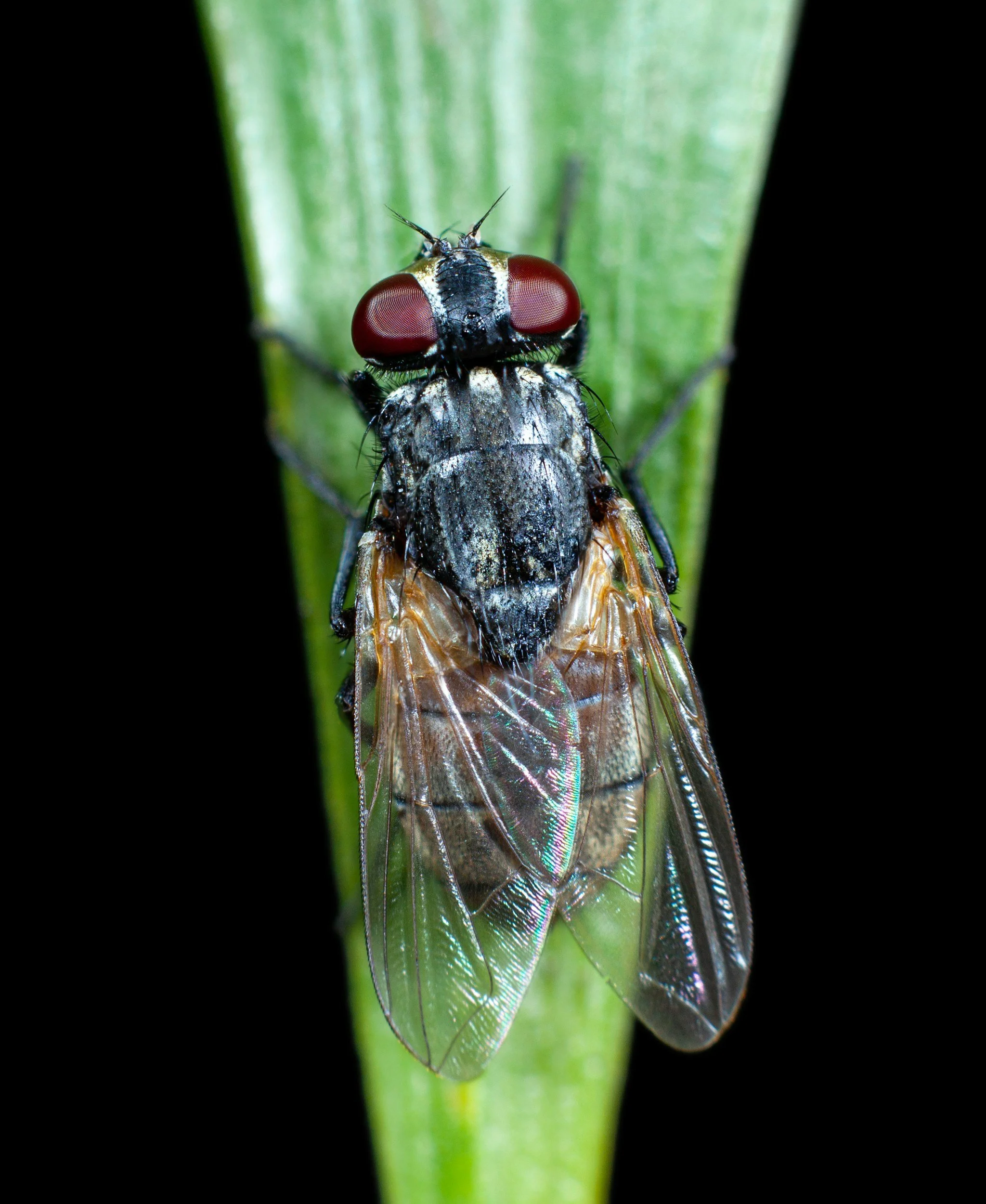
Close up of your mortal enemy, the Black Fly.
The Adirondack species are especially notorious because of the park’s abundant cold, fast-moving streams and rivers. Black fly larvae thrive in clean, oxygen-rich water, which means the Adirondacks are essentially luxury waterfront real estate for them.
That pristine mountain brook tumbling behind the cabin? Black flies approve.
Adults typically emerge in large numbers from mid-May into late June, although timing shifts slightly depending on elevation, temperature, and spring rainfall. Cooler springs can prolong the season. Hot stretches can shorten it.
The High Peaks, wooded trails, wetlands, river corridors, and shaded forest areas are particularly active zones during peak hatch periods.
Why black flies matter in the Adirondacks.
For many travelers, black flies become the defining memory of an early Adirondack trip.
That peaceful lakeside breakfast suddenly becomes tactical warfare. A scenic hike turns into a speed challenge. Campfire conversations begin with sentences like, “How bad are they where you are?”
But black flies are more than an annoyance. Their bites can cause significant swelling, itching, and allergic reactions in some people. Pets are affected too, particularly dogs with exposed ears and noses.
They also influence tourism patterns throughout the Adirondacks. Some seasoned travelers intentionally avoid booking trips in late May altogether, while others embrace the challenge with near-military preparedness.
Locals tend to fall somewhere in the middle: annoyed but oddly proud of surviving it.
When black flies are at their worst.
Black flies are most active during daylight hours, especially in the morning and late afternoon.
Unlike mosquitoes, they are visual hunters and are attracted to movement, carbon dioxide, dark clothing, and exposed skin. Windy conditions greatly aid the avoidance of these pests because black flies are weak fliers.
This is why Adirondack veterans suddenly become amateur meteorologists every spring.
A breezy day on Lake George may feel manageable. A still, humid trail in the High Peaks can feel biblical.
Peak black fly season generally runs:
Late May through mid-June in lower elevations.
Mid-June into early July in cooler mountain regions.
Longer near wetlands and heavily forested areas.
Rainy springs often create especially robust hatches.
ADK Taste black fly insight.
Black flies are so culturally embedded in the Adirondacks that they have inspired songs, festivals, merchandise, jokes, and decades of storytelling.
Singer-songwriter Wade Hemsworth’s famous folk song “The Blackfly Song” remains something of an unofficial anthem of northern bug season. Adirondack camps and porches have echoed with its lyrics for generations.
Wade Hemsworth’s legendary “The Blackfly Song” remains a rite of passage for anyone who has spent late spring in the Adirondacks or the North Country swatting tiny airborne tormentors.
The folk classic has become deeply associated with Adirondack and northern wilderness culture, especially during peak black fly season in May and June.
There is also an important ecological reality beneath the annoyance.
Black flies are part of the broader Adirondack ecosystem. Their larvae help filter water, and adults provide food for birds, fish, bats, and other insects. In true Adirondack fashion, even the creatures everyone complains about still belong to the larger wilderness story.
How to fight black flies.
The good news: experienced Adirondackers have developed survival strategies refined over generations.
The better news: most of them actually work.
Dress like an Adirondack realist.
This is not the season for minimalist hiking fashion.
Light-colored long sleeves, lightweight pants, tall socks, and hats dramatically reduce the amount of exposed skin. Loose-fitting clothing helps because black flies can bite through tight fabric.
Many locals swear by head nets during peak hatch weeks, especially while hiking or paddling.
Yes, they look slightly dramatic.
Yes, they also work.
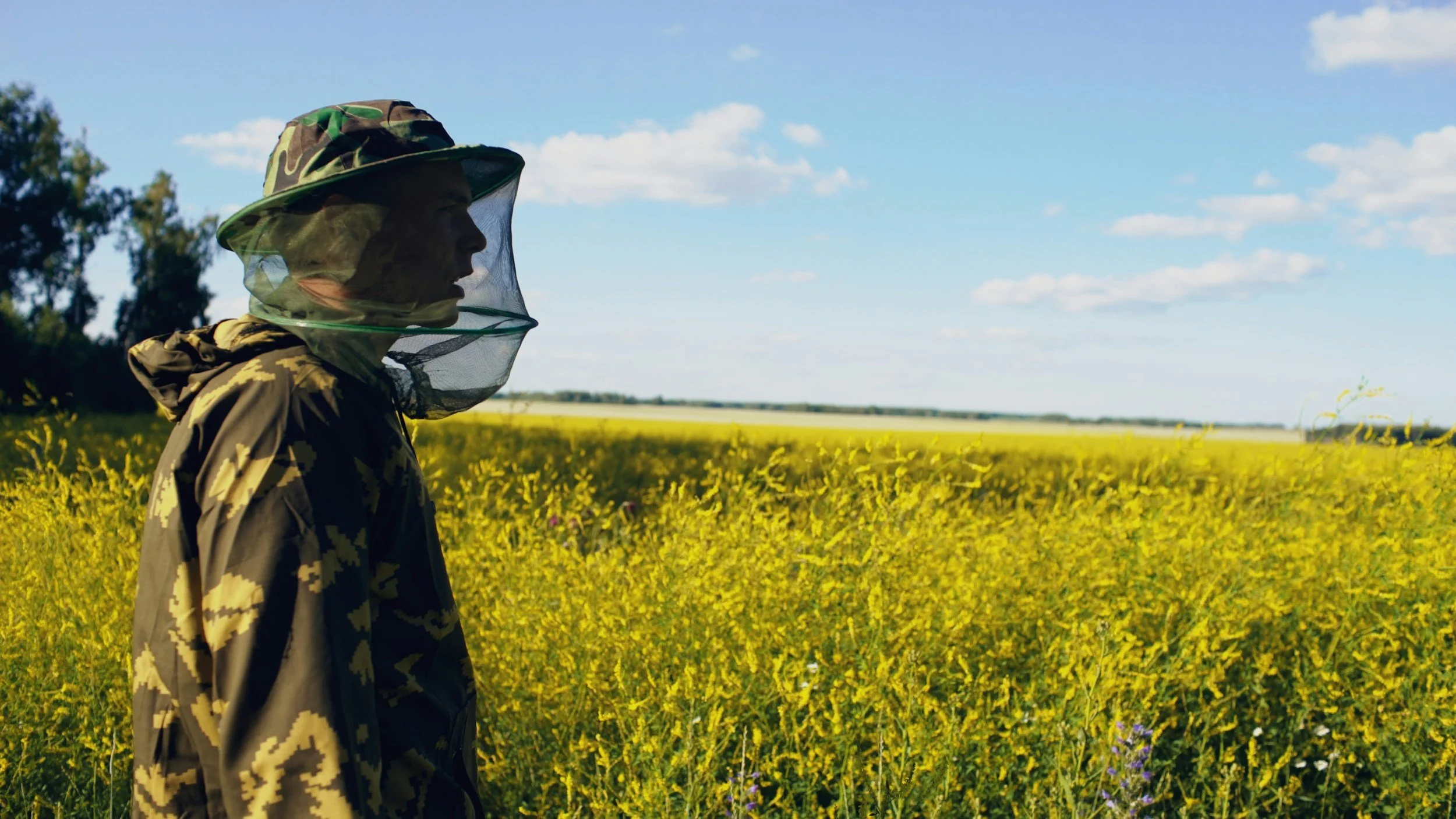
The proper headgear can help repel black flies.
Use effective black fly repellents.
DEET-based repellents remain the most reliable defense, though picaridin products are increasingly popular because they feel less greasy and have less odor.
Natural alternatives exist, but Adirondack veterans often become noticeably skeptical when someone says, “I’m trying this lavender essential oil blend.”
Citronella candles may help around patios and campsites, especially when combined with smoke from campfires.
Seek wind and sun.
Black flies prefer shaded, damp, wooded areas.
Open shorelines, breezy docks, sunny clearings, and exposed summits are often significantly better. This explains why Adirondack boaters sometimes appear unusually smug in June.
Strategic timing matters too. Midday during sunny, breezy conditions can be far more comfortable than calm mornings.
Keep moving.
Black flies are persistent, but they struggle to land on moving targets.
There is a reason experienced hikers rarely linger on muddy spring trails during black fly season. Adirondack cardio improves considerably in late May.
Know when to retreat indoors.
Sometimes the Adirondacks simply win.
A screened porch, lakeside lodge, historic inn, brewery patio with industrial fans, or evening cocktail indoors may become the smartest itinerary adjustment of the day.
And honestly, that is part of Adirondack life, too.
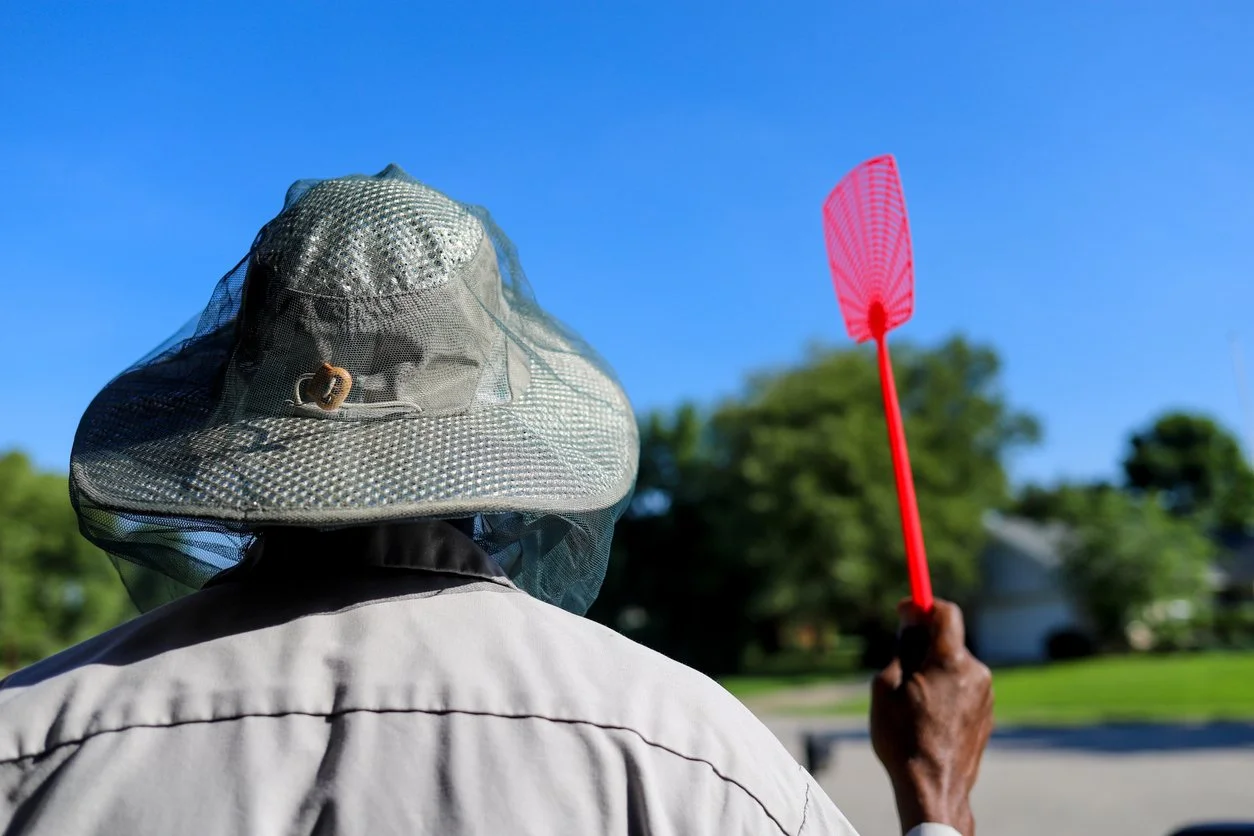
Speak softly and carry a big fly swatter.
Want more insider Adirondack advice, hidden gems, seasonal guides, food finds, and weekend inspiration? Subscribe to the ADK Taste newsletter and stay one step ahead of black fly season—and everything else the Adirondacks throw your way.
ADK Taste perspective.
Black fly season is frustrating, itchy, occasionally absurd, and entirely woven into the Adirondack experience.
Oddly enough, surviving it also creates a certain affection for the region. Enduring black flies becomes part of understanding the Adirondacks as they truly are: wild, beautiful, unpredictable, and never entirely curated for convenience.
The Adirondacks ask visitors to participate a little differently than other destinations. Sometimes that means carrying a canoe. Sometimes it means hiking through mud.
And sometimes it means wearing a bug net while sipping a local IPA on a porch overlooking a mountain lake.
In a strange way, that feels very Adirondack.
The latest news, insight and recommendations from ADK Taste.






















Ultimate Guide to the Adirondacks
Your insider’s guide to exploring the Adirondacks—where to go, what to eat, and the experiences that make this place unforgettable.
Shop for unique Adirondack apparel, gifts and merchandise.






















ADK Talks Podcast
Love the Adirondacks? You’ll love our podcast. We take listeners beyond the guidebooks and into the heart of the Adirondacks. We share stories from the people behind the best places to eat, shop, stay and explore in the ADK. Find us on Apple Podcasts, Spotify or wherever you listen to podcasts.











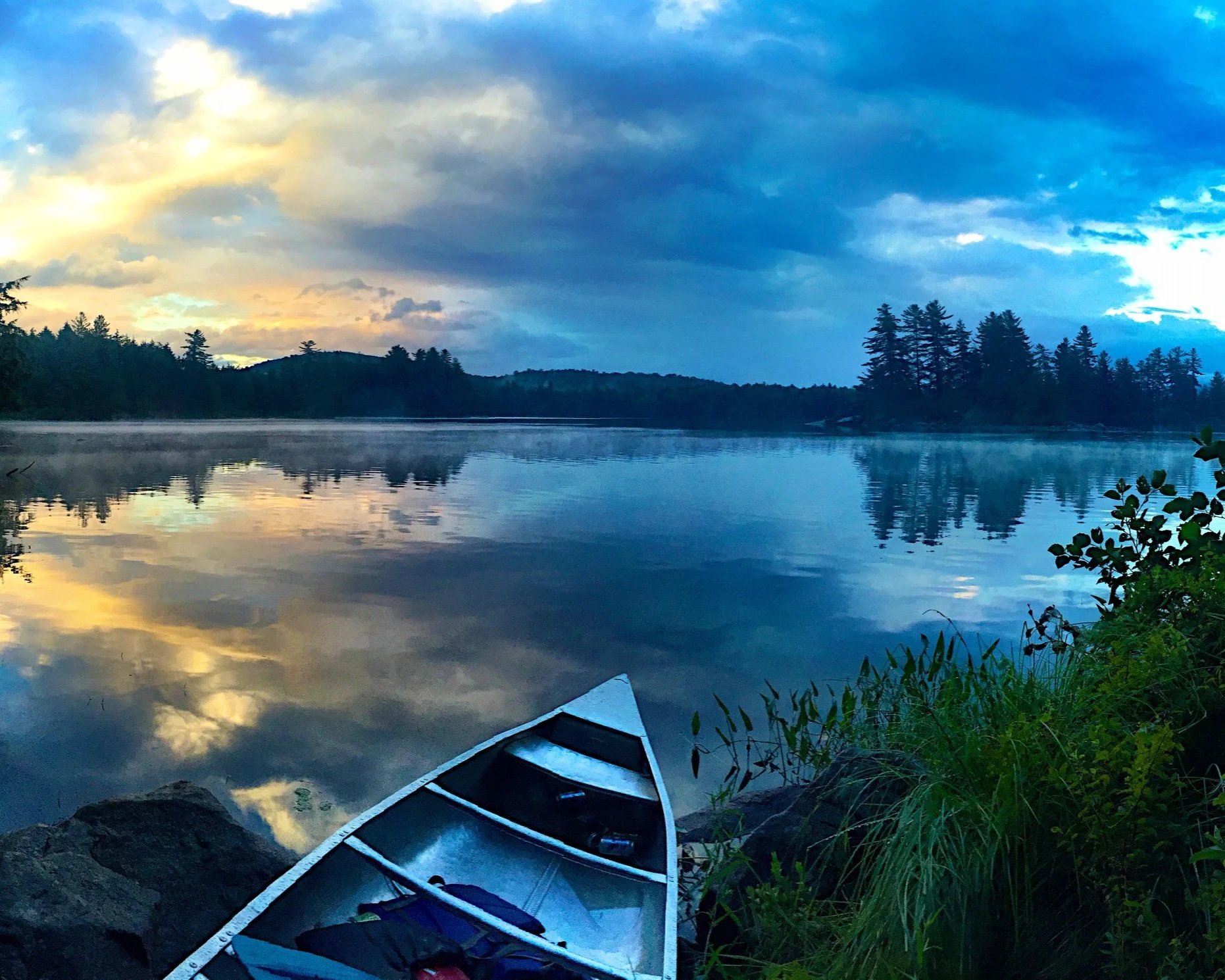
It’s early morning, and the mist hovers above the glassy surface of your favorite Adirondack lake, undisturbed but for the rhythmic dip of your paddle. The only sound is the gentle ripple of water breaking against your canoe. The air is crisp, carrying the scent of pine and the promise of another perfect day in the Adirondacks. Your worries are left ashore, traded for the serenity that only paddling these waters can provide.
You’re not just wearing any shirt. You’re donning an invitation to adventure, to explore the thousand lakes and secret inlets of the North Country.
Our Adirondack Paddler’s Long-Sleeve Tee is made of the softest cotton. It's perfect for layering or wearing on its own. It’s designed for those who know the joy of a paddling in the Adirondacks, who’ve felt the thrill of a canoe gliding silently through mirror-still waters.
This ultra-cotton long-sleeve tee is perfect for Adirondack paddlers of all kinds—canoers, kayakers, SUPs, guide boaters and more. It is a clear comfort winner in any season.
There are no side seams for a relaxed fit. The shoulders are taped for improved durability. We love that the cotton used for these shirts is environmentally friendly.
Check the size chart; friends and family tell us this long-sleeved tee may run a little small.