
Cooking Up the Future: Inside Paul Smith’s Culinary Program and Adirondack Hospitality
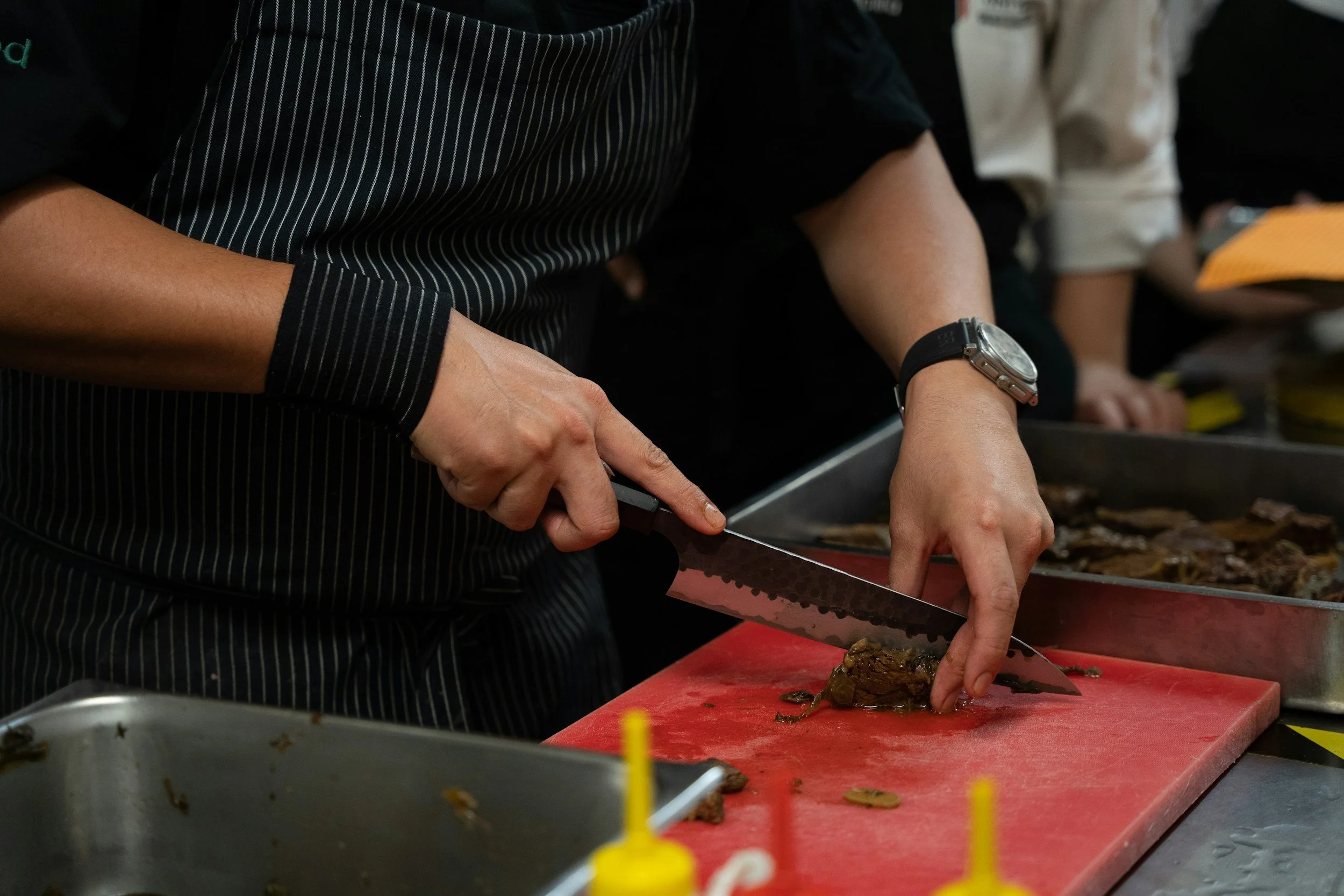
What does it take to train the next generation of chefs in the middle of a six-million-acre park?
In this episode of ADK Talks, Chef Robert Dumas — director of the Institute of Adventure Hospitality & Food at Paul Smith’s College — takes listeners inside one of the nation’s top culinary programs and explores how food, hospitality, outdoor recreation, and regional identity intersect in the Adirondacks.
From washing dishes in a Chinese restaurant as a teenager to cooking at the White House and serving aboard a submarine, Dumas has built a career that spans nearly every corner of the food world.
But today, his focus is helping students become not just cooks — but hospitality professionals who understand craftsmanship, community, and place.
This episode is the second installment in ADK Talks’ Kitchen Confidential: ADK Edit series — inspired by the spirit of Anthony Bourdain, but rooted firmly in the Adirondacks.
Like what you’re reading? Get the best Adirondack food, travel, events, and hidden gems delivered to your inbox every week.
📬 Subscribe to the ADK Taste Newsletter
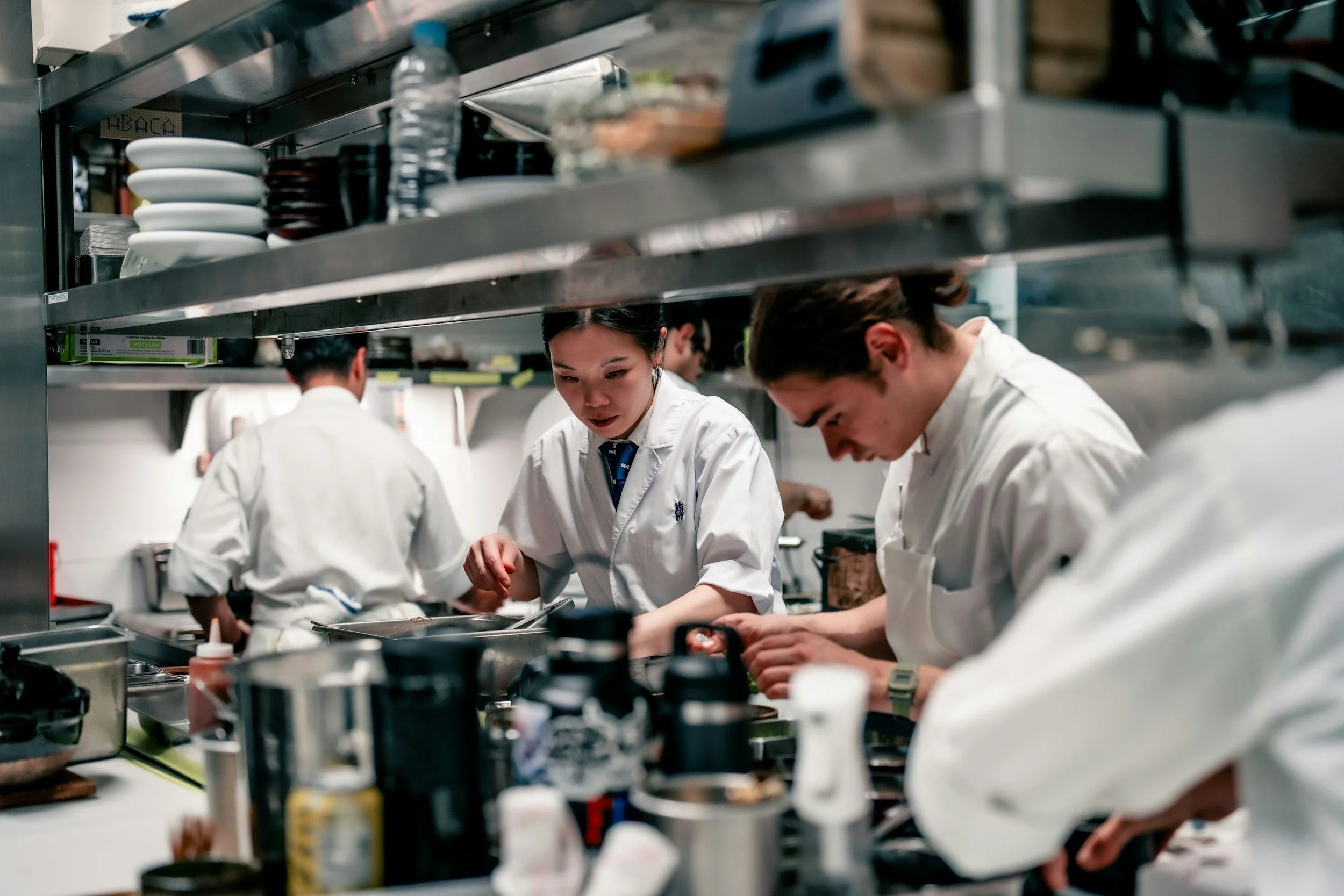
Practicing the Culinary Arts.
What you’ll hear in this episode.
Why Paul Smith’s calls its program “adventure hospitality” — and what that actually means
How students learn directly from Adirondack farms and food producers
Chef Dumas’ path from submarine kitchens to the White House
Whether “Adirondack cuisine” truly exists
Why kitchens can be both brutal and deeply meaningful places to build community
Why the Adirondacks create a different kind of chef.
Chef Dumas believes the Adirondacks attract a very specific kind of student — one searching for connection, purpose, and a break from hyper-connected modern life.
Unlike culinary programs rooted in large metropolitan areas, Paul Smith’s offers students something quieter, more immersive, and deeply tied to landscape. Students spend time in commercial kitchens, but they also spend time meeting local farmers, walking fields, tasting regional ingredients, and understanding how hospitality fits into a broader ecosystem.
That connection to place shapes the food.
It also shapes the people preparing it.
One of the episode’s most compelling moments comes when Dumas explains “adventure hospitality” — the intersection of outdoor recreation and hospitality experiences. Think guided hikes that culminate around campfires, meals designed for paddlers and skiers, or lodge dining that complements the experience of being outdoors.
It’s a distinctly Adirondack lens on hospitality.
From the White House to Paul Smith’s.
Dumas’ personal story reads like a culinary road trip through wildly different worlds.
He grew up near New Orleans, discovered kitchen life as a dishwasher at 14, joined the Navy to earn culinary training opportunities, cooked aboard submarines, and eventually served at the White House during the Obama administration.
But despite those high-pressure environments, he says the most rewarding part of his career became teaching.
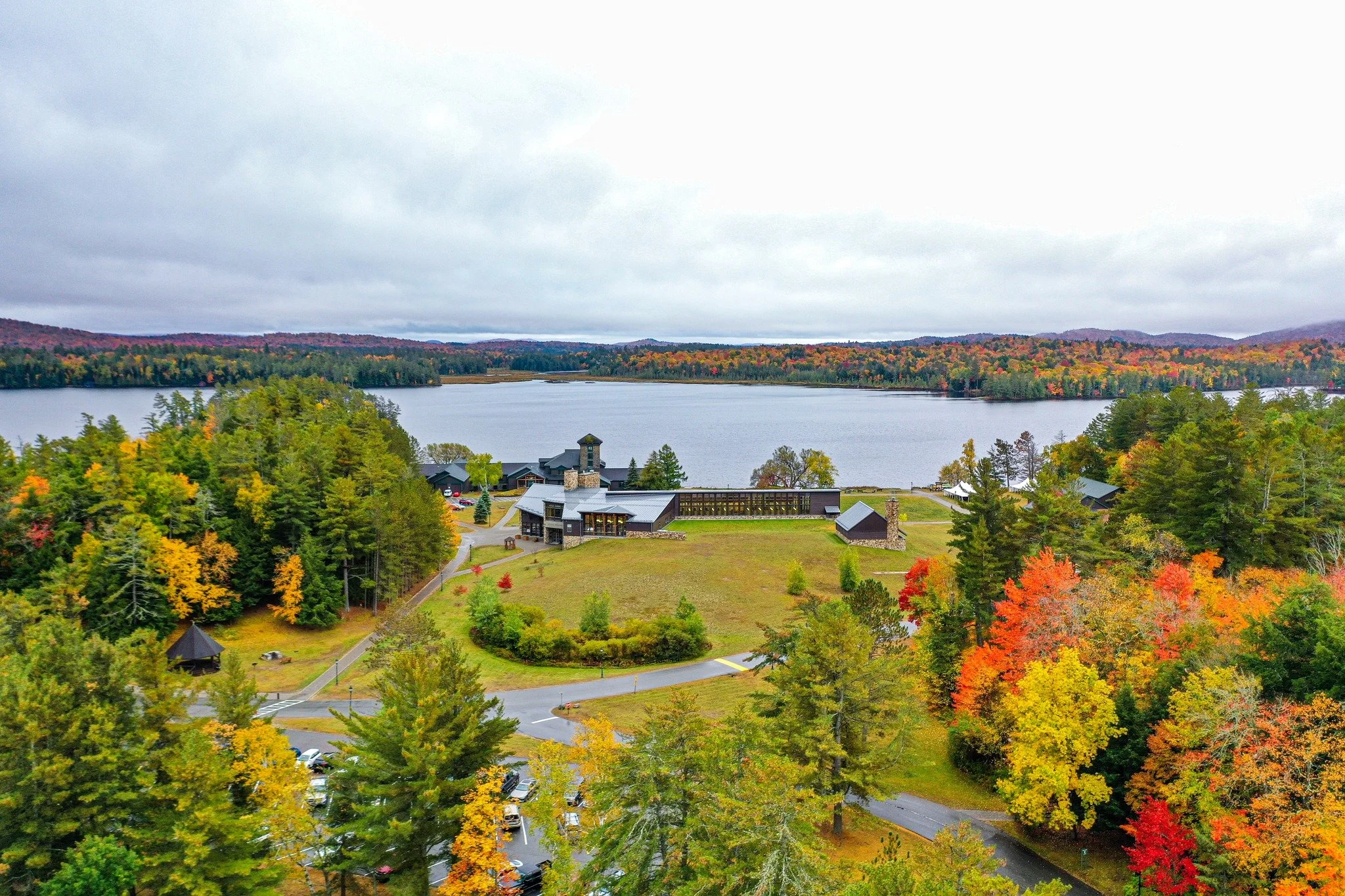
Paul Smith’s campus.
The episode explores how kitchen leadership is evolving — especially among younger generations entering hospitality today. Dumas discusses the decline of the old “screaming chef” culture, the importance of mentorship, and how kitchens are increasingly becoming places where communication, empathy, and intentional leadership matter just as much as technical skill.
Listeners who loved The Bear or Anthony Bourdain’s Kitchen Confidential will especially enjoy the conversation’s deeper look at why kitchen culture can simultaneously attract and exhaust people.
Farm-to-table starts in the classroom.
One of the most fascinating parts of the episode centers around Paul Smith’s “Farm to Table” class.
Every Friday morning, students travel across the Adirondack region to meet local producers, walk farms, feed livestock, taste cheeses, and understand the work behind ingredients.
Later, those same ingredients appear in student-run restaurants and bakery operations on campus.
Dumas argues that chefs serve as critical connectors between farms and consumers — and that students need to understand food systems, seasonality, and sourcing from the very beginning of their careers.
The conversation also touches on the realities of sourcing food in a rural northern climate, the role institutions can play in supporting local agriculture, and why regional identity matters in modern cuisine.
So… what is Adirondack cuisine?
The episode’s biggest philosophical question might also be its most fun.
Does Adirondack cuisine actually exist?
Dumas points to maple syrup, wild mushrooms, ramps, local grains, and seasonal ingredients as touchpoints — but argues the region’s food identity is still evolving.
He also shares a thoughtful perspective on the Adirondacks’ Indigenous food history, the meaning of the word “Adirondack,” and how chefs can honor both tradition and innovation.
There’s even a brief detour into Michigan hot dogs.
Because, of course, there is.
Dining at Paul Smith’s may soon become a destination experience.
Toward the end of the episode, Dumas reveals exciting plans for the future of public dining at Paul Smith’s.
The college already operates a student-run bakery and lunch experiences during the academic year. But plans include reopening the stunning lakefront restaurant space overlooking Lower St. Regis Lake and St. Regis Mountain.
If realized, it could become one of the most unique dining experiences in the Adirondacks.
Planning a trip to the Paul Smith’s area? Check out our guide to the Tri-Lakes & High Peaks region to discover the best places in the Lake Placid, Saranac Lake and Tupper Lake area.
ADK Taste recommendations.
If this episode sparked your appetite for Adirondack food culture, also explore:
A kitchen, a community, and a sense of place.
What makes this episode resonate isn’t just the culinary talk.
It’s the reminder that food is ultimately about people — the farmers growing ingredients, the students learning a craft, the cooks building careers, and the communities gathering around tables.
Chef Dumas makes a compelling case that hospitality in the Adirondacks can become more than just restaurant service.
It can become stewardship.
📬 Don’t miss the next episode.
ADK Talks explores the people shaping Adirondack culture — from chefs and historians to artists, guides, brewers, and storytellers.
Subscribe on Apple Podcasts, Spotify, or Amazon Music.
And sign up for the ADK Taste newsletter for a weekly guide to Adirondack stories, food, and events.
Places to stay, shop, eat, and things to do near Paul Smith’s College.
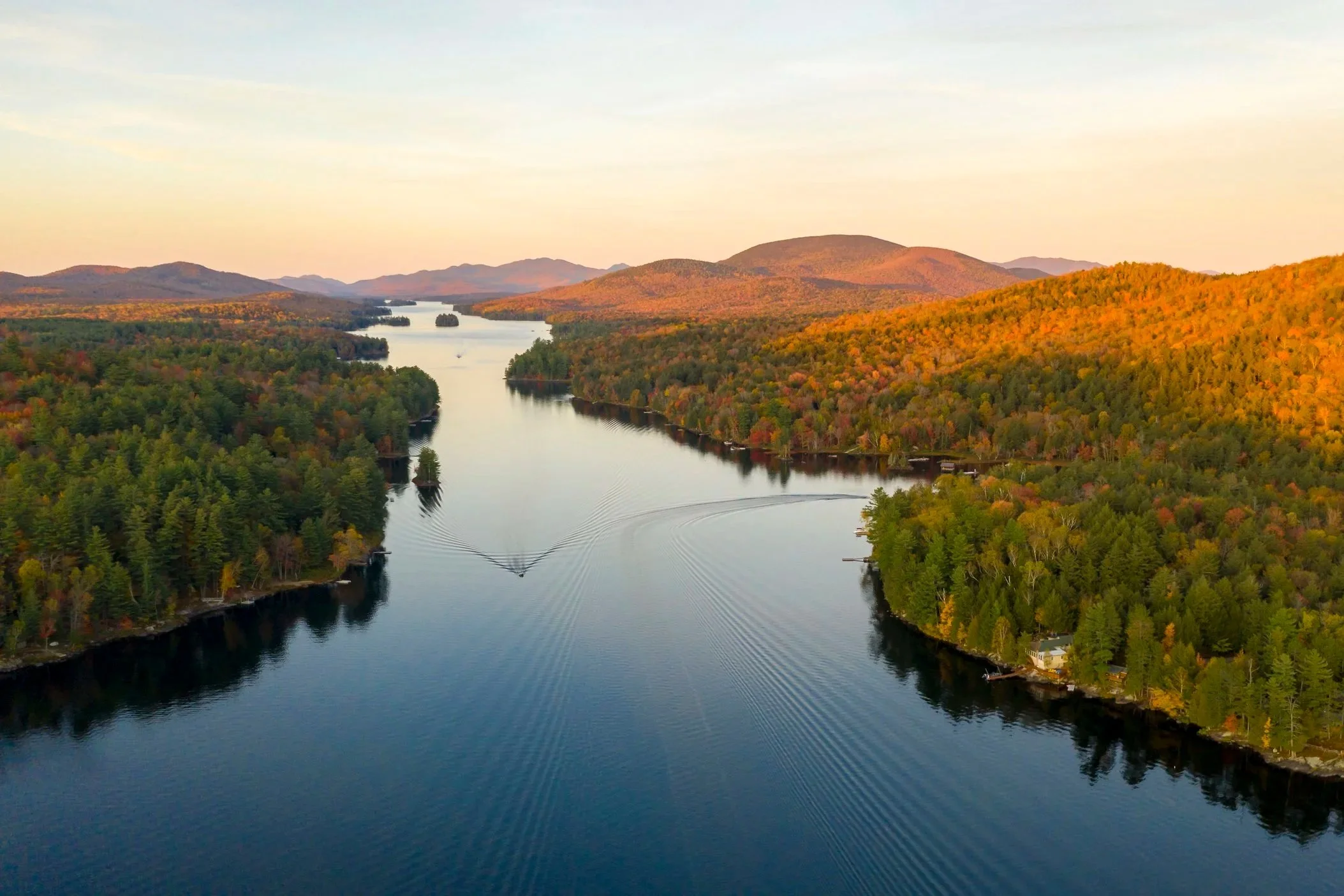











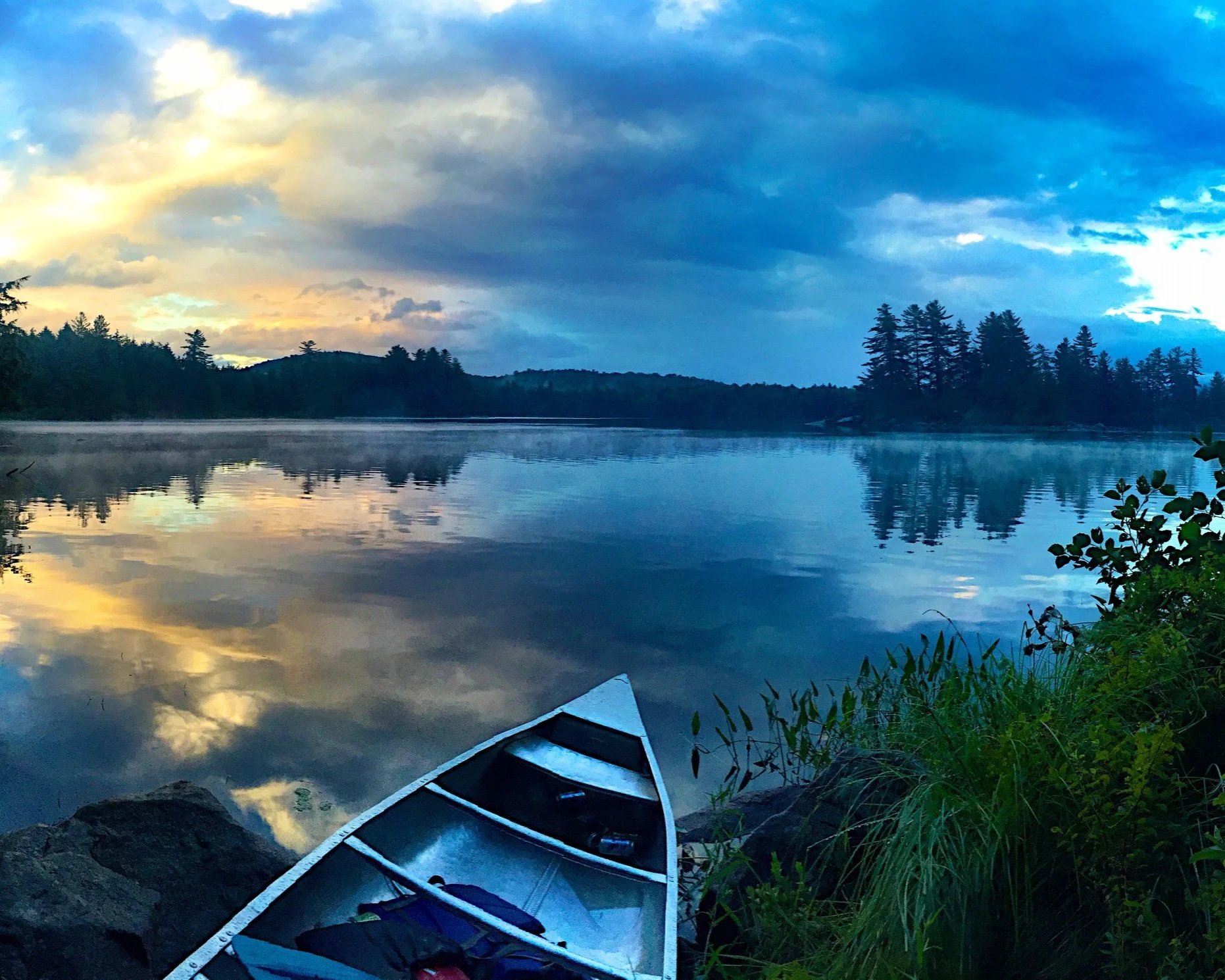
Ultimate Guide to the Adirondacks
Your insider’s guide to exploring the Adirondacks—where to go, what to eat, and the experiences that make this place unforgettable.
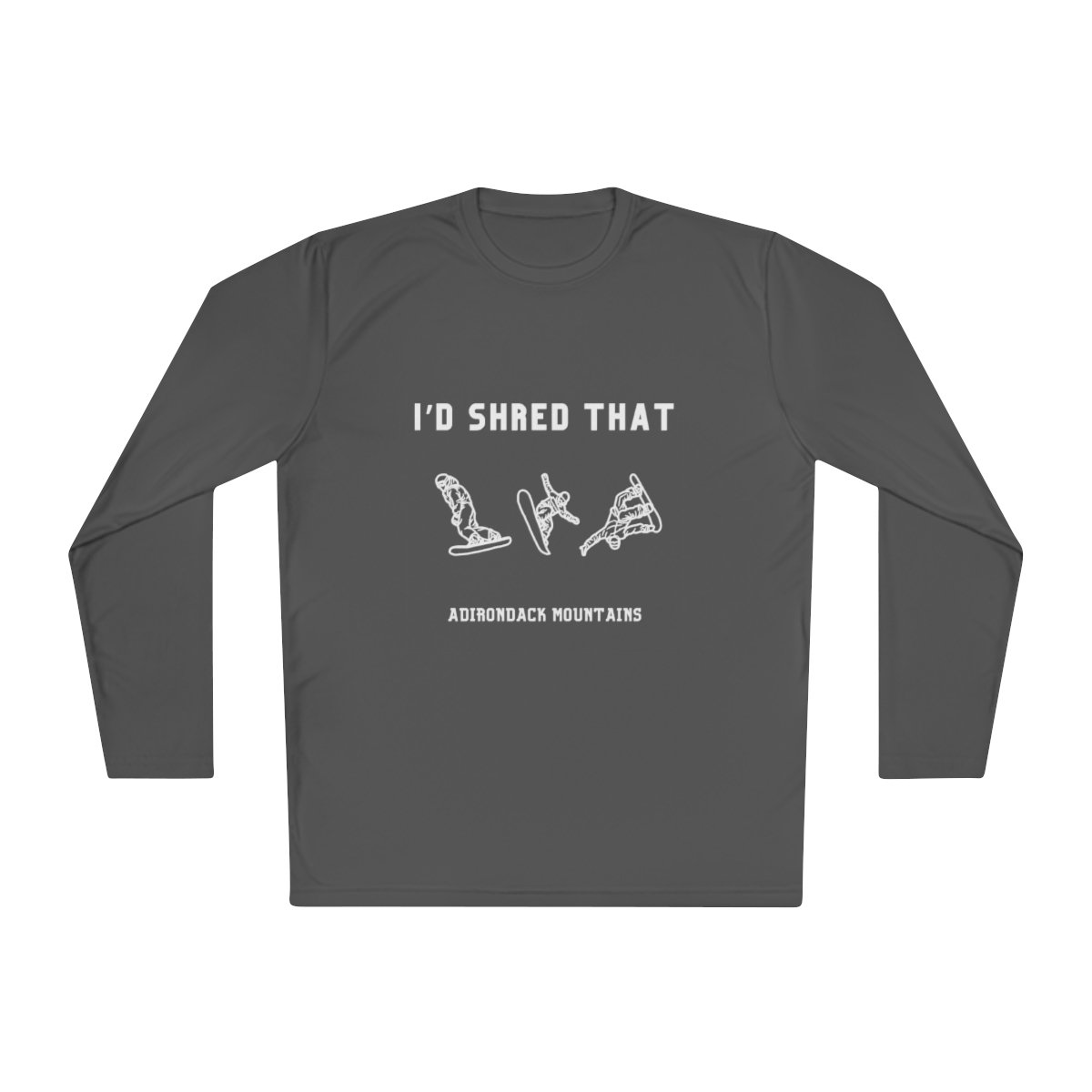
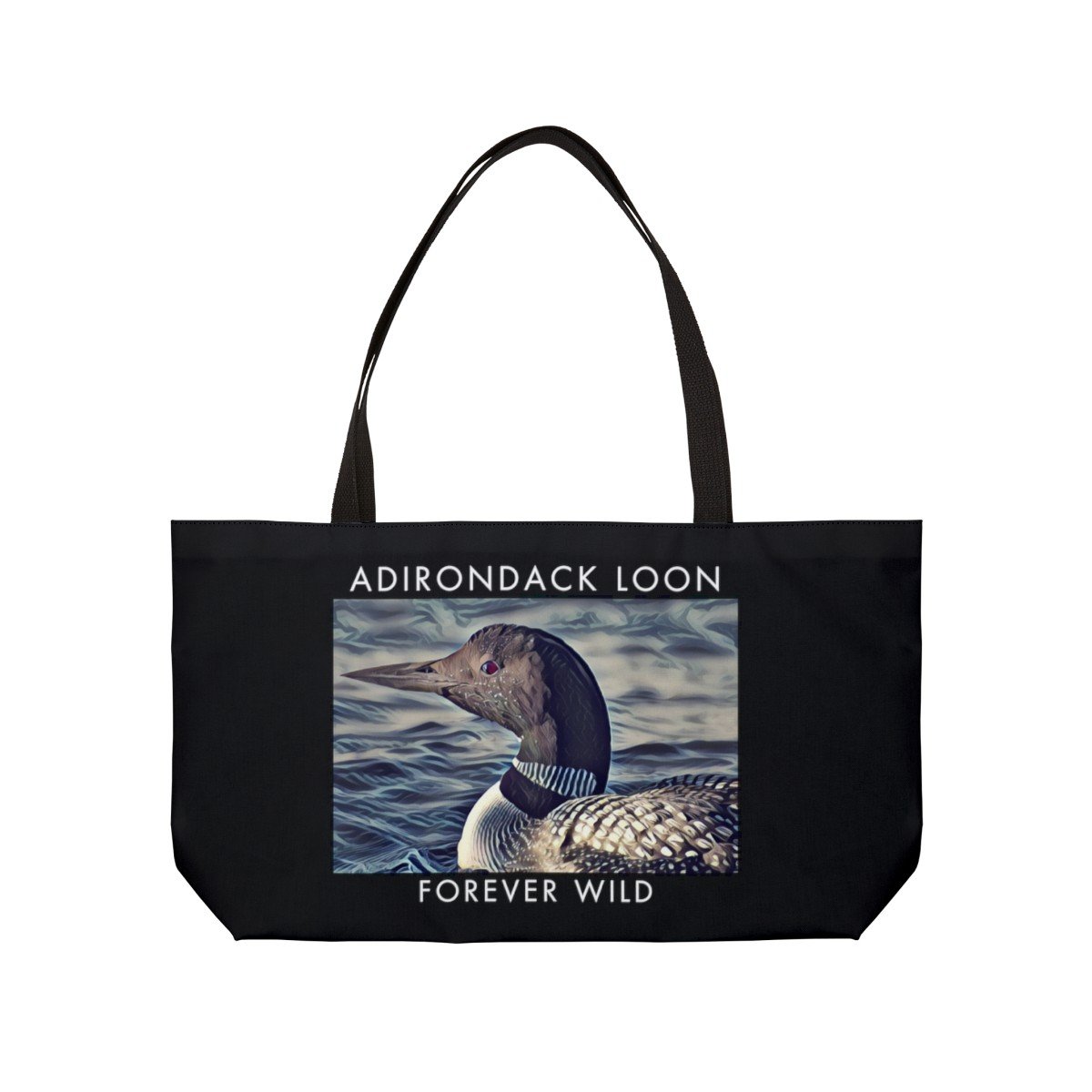
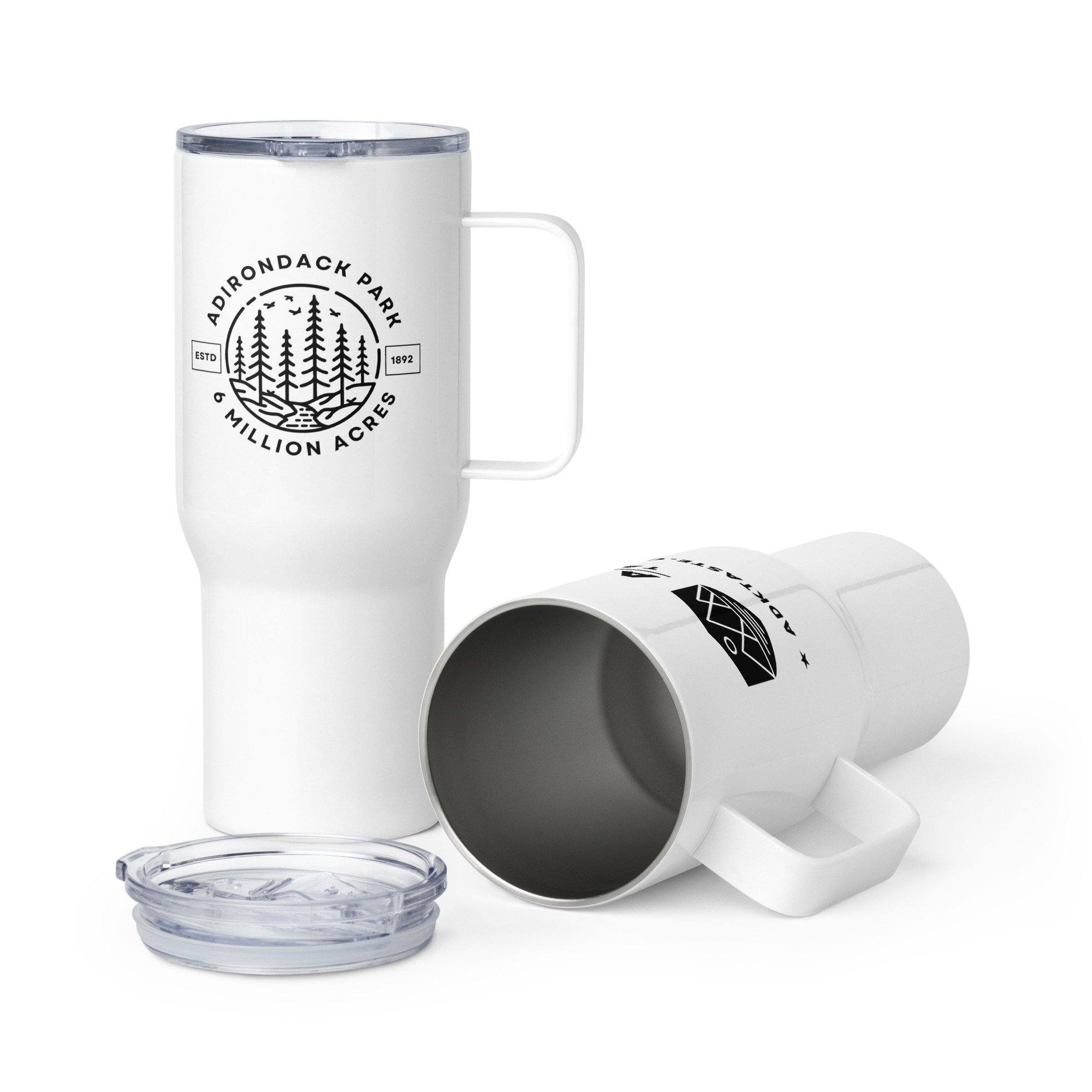
Shop for unique Adirondack apparel, gifts and merchandise.
















ADK Talks Podcast
Love the Adirondacks? You’ll love our podcast. We take listeners beyond the guidebooks and into the heart of the Adirondacks. We share stories from the people behind the best places to eat, shop, stay and explore in the ADK. Find us on Apple Podcasts, Spotify or wherever you listen to podcasts.



Bring a bold splash of the Adirondack spirit wherever you roam with this vibrant, adventure-ready tote bag. Featuring a chic golden hue and a retro-style design, this tote is more than just an accessory—it’s a statement of your love for the mountains, forests, and lakes that make the Adirondacks legendary.
Crafted from durable, easy-care polyester and finished with reinforced stitching, this bag is made to go the distance—from farmers’ markets to campsites, library runs to beach days. The roomy boxed corners make packing snacks, sweaters, books, or souvenirs a breeze, while the sturdy navy or black straps sit comfortably on your shoulder no matter how full the day (or the bag).
And with the playful “Find the Good Stuff Here” message on the reverse, this tote is a nod to curiosity, good vibes, and great finds.
Perfect for:
Day trips to your favorite lake or historic site
Grocery hauls and artisan market strolls
Picnic gear, beach towels, or a cozy flannel
Commuters who love to keep it wild
Gift-givers looking for something both beautiful and useful
Product Features:
100% polyester for strength and durability
Reinforced handle stitching for everyday carry confidence
Spacious 16" x 16" design with boxed corners for easy packing
Soft yet sturdy medium-weight fabric
Stylish navy handles to complement any outfit
Go ahead—Find the Good Stuff. Carry it in style.
A perfect gift for Adirondack lovers, nature enthusiasts, and anyone who believes “Forever Wild” is more than a motto—it’s a way of life.