
A Rare Planet Parade and Blood Moon Over the Adirondacks
Winter in the Adirondacks rewards those willing to look up.

Six planets. One blood moon. Zero admission fee.
On February 28, six planets will sweep across the evening sky in what astronomers call a planetary alignment — often nicknamed a “planet parade.” Just days later, in the early hours of March 3, a total lunar eclipse will turn the full moon a deep copper red.
Individually, these events are exciting.
Together, they create a rare stretch of skywatching that feels almost cinematic.
ADK Taste doesn’t claim to be an astronomy authority. But we are enthusiastic night sky watchers — and we have excellent sources.
Credit goes to ADK Taste’s Senior Celestial Correspondent, Toby, who first flagged this phenomenon.
He looks up so the rest of us remember to.
And in the Adirondacks, that matters.
Six planets trace the winter sky.
On the evening of February 28, Mercury, Venus, Saturn, Jupiter, Uranus, and Neptune will align along the ecliptic — the path the Sun appears to follow across our sky.
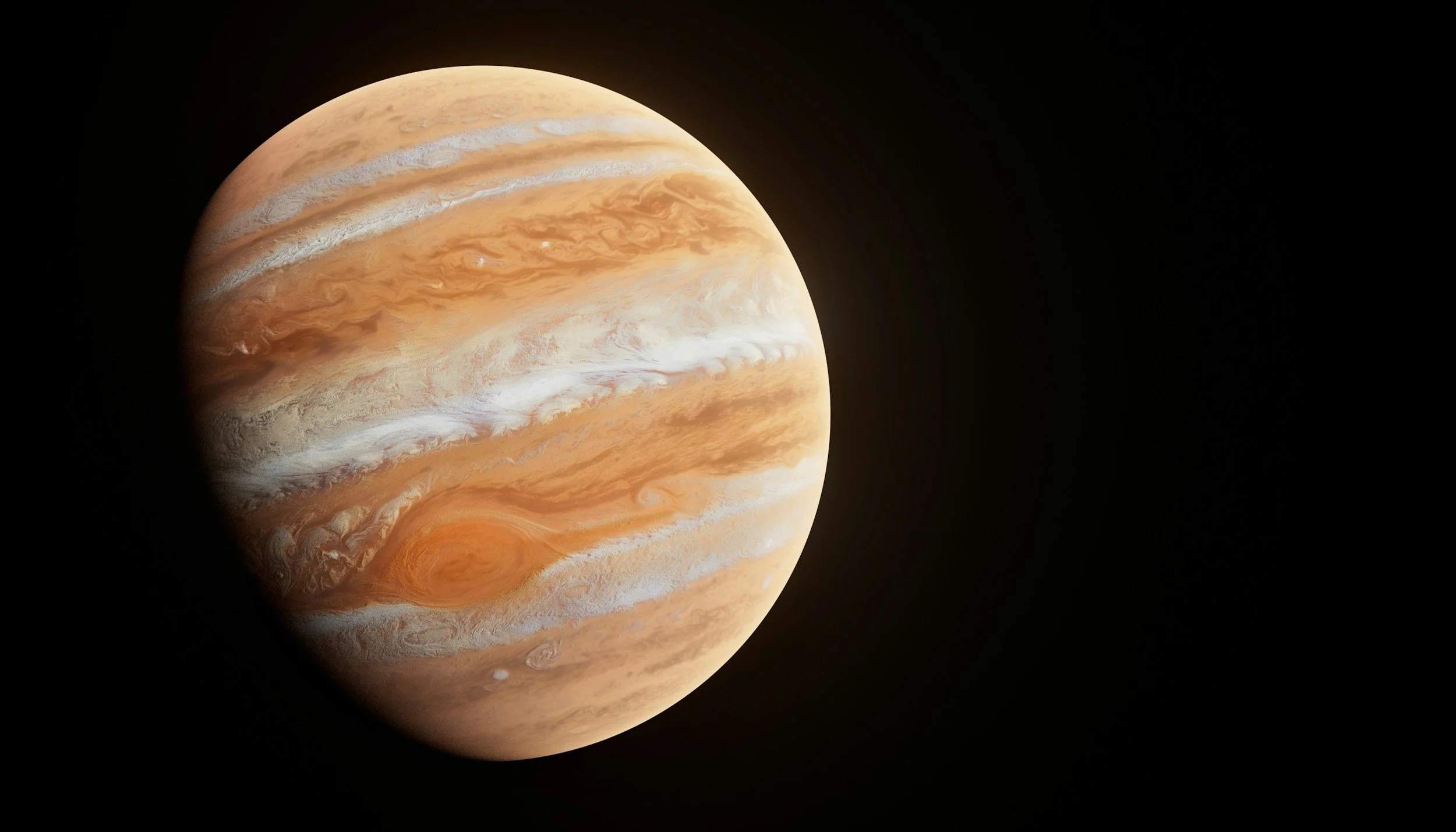
Jupiter.
This is not a perfect straight line in space. From Earth’s perspective, the planets form a graceful arc stretching from the western horizon upward toward the southeast.
Four of them — Mercury, Venus, Saturn, and Jupiter — will be visible to the naked eye.
Venus will shine brilliantly, outshining every “star” except the Moon. Jupiter will blaze high and unmistakable. Saturn will glow more softly nearby. Mercury will hover low near the fading sunset — subtle, but visible with a clear western horizon.
Uranus and Neptune join the lineup, too, but they require binoculars or a small telescope under dark skies.
For expert sky charts and technical explanations, NASA’s Solar System page offers reliable background, and Sky & Telescope provides practical viewing guides.
Why this alignment matters.
Planetary alignments involving this many visible worlds don’t happen often in such an accessible configuration.
Yes, planets regularly cluster along the ecliptic — they all orbit the Sun in roughly the same flat plane. But having multiple bright planets visible simultaneously in the evening sky creates an unusually approachable moment for casual observers.
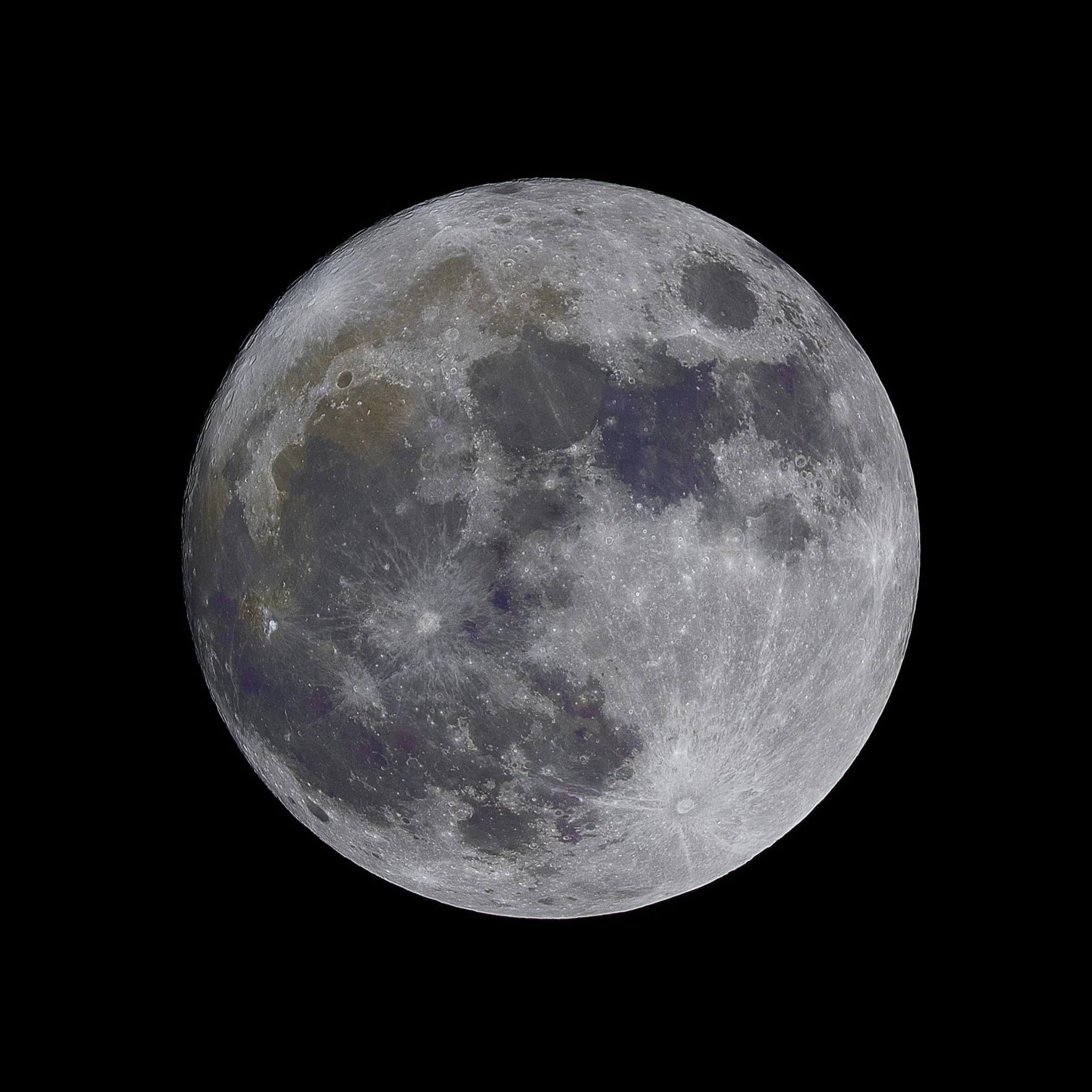
Mercury, the closest planet to earth.
No alarm clock required.
No 3 a.m. frostbite.
Just step outside after dinner.
The alignment will remain visible for several evenings around February 28, offering backup opportunities if clouds roll in. Late February in the Park can deliver anything from crystal-clear arctic air to a full-blown snow squall.
Flexibility helps.
The blood moon follows.
As if the planetary parade weren’t enough, a total lunar eclipse arrives in the early morning hours of March 3.
During totality, Earth’s shadow will fully cover the Moon, turning it a dramatic reddish-copper hue — often called a “blood moon.”
Unlike a solar eclipse, this event requires no special eyewear.
Just look up.
According to Space.com’s eclipse coverage, North America sits well within the visibility zone. Viewers in New York should be able to witness the full eclipse before dawn, weather permitting. Peak totality will last close to an hour.
Coffee is optional but encouraged.
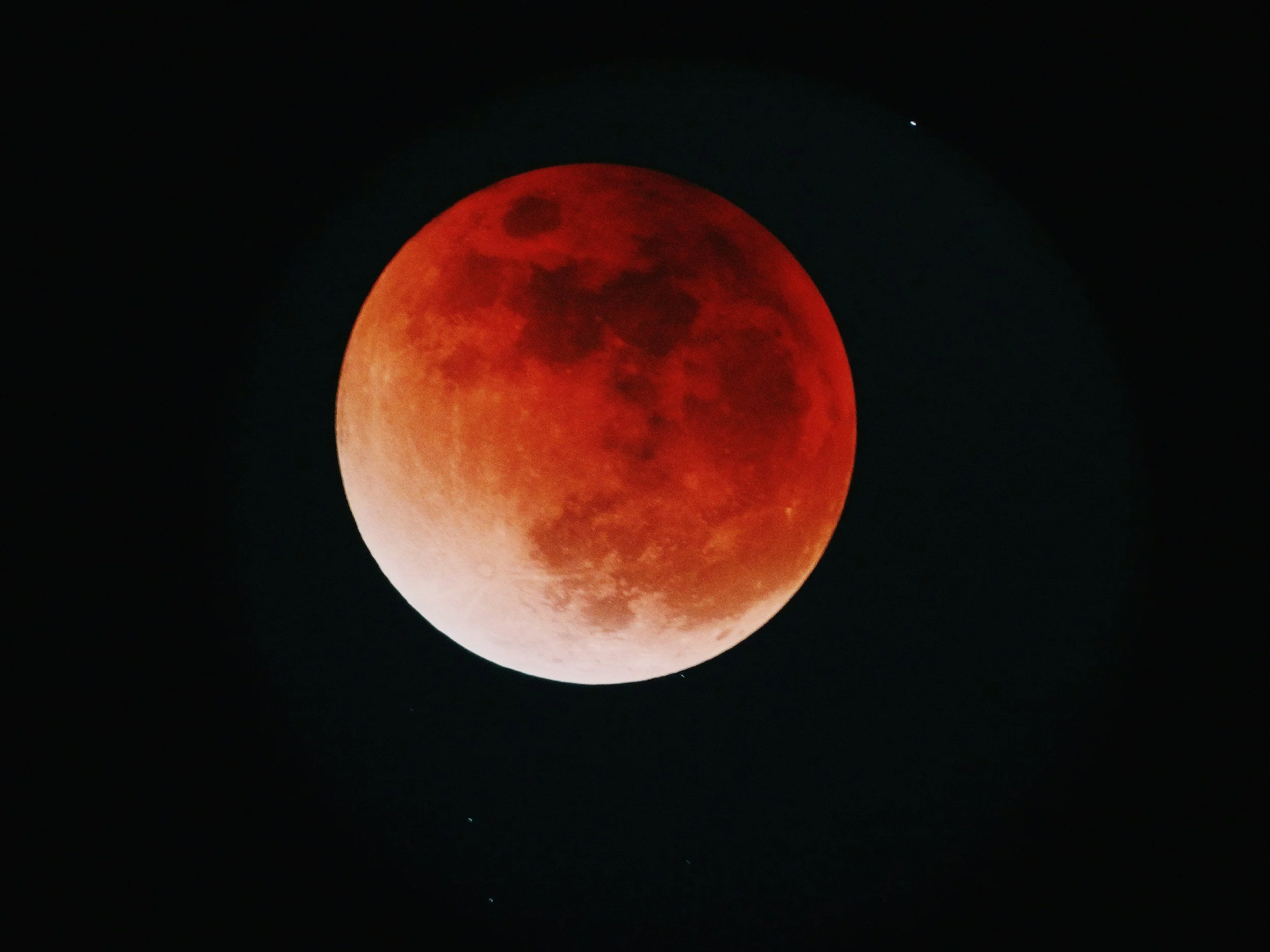
The Blood Moon, also known as a lunar eclipse.
Why it’s called a blood moon.
Astronomers call it a total lunar eclipse.
“Blood moon” is the dramatic nickname — and it comes from the Moon’s striking reddish glow during totality.
When Earth moves directly between the Sun and the Moon, it blocks direct sunlight from reaching the lunar surface. But the Moon does not disappear.
Sunlight bends through Earth’s atmosphere instead. Shorter blue wavelengths scatter away — the same reason Adirondack skies appear blue on a clear winter day. Longer red and orange wavelengths pass through more easily.
That filtered light washes over the Moon.
In effect, the eclipsed Moon glows with the combined light of every sunrise and sunset happening around Earth at that moment.
The exact shade varies. Dust, wildfire smoke, or volcanic particles in the atmosphere can deepen the red. Cleaner air creates a softer copper tone.
NASA offers a detailed scientific explanation.
The nickname sounds dramatic.
The science is elegant.
And the result? A quiet, copper-lit Moon hanging over frozen lakes and snow-covered peaks.
Very Adirondack.
Watch: Why The “Blood Moon” Turns Red During A Total Lunar Eclipse
Curious why a total lunar eclipse turns the Moon copper red? This short explainer breaks down the science behind the so-called “blood moon,” including how Earth’s atmosphere bends sunlight and paints the Moon in filtered sunset hues.
A clear, science-based explanation of the total lunar eclipse phenomenon — helpful context before watching the March 3 eclipse over the Adirondacks.
Why the Adirondacks are perfect for this.
The Adirondack Park holds some of the darkest skies in the Northeast.
Minimal light pollution. Expansive horizons. High elevations that rise above valley haze.
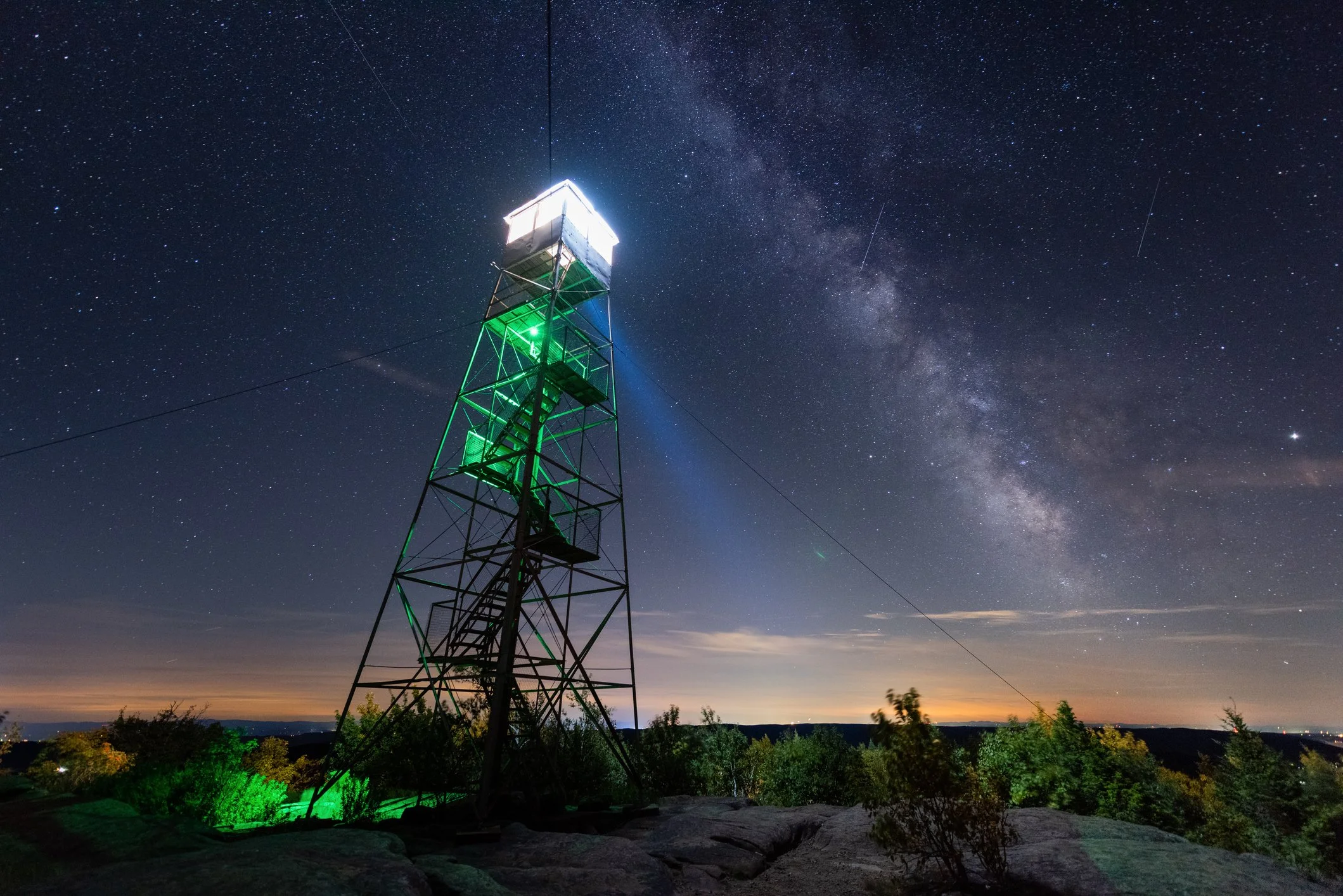
On a clear winter night, the Milky Way appears sharp enough to feel within reach.
Many regions inside the Park register low on light pollution maps, making it easier to spot fainter celestial objects like Uranus and Neptune with binoculars.
Winter adds another advantage.
Cold air carries less humidity, which sharpens visibility. Snow-covered landscapes brighten the foreground without adding glare to the sky.
The Adirondacks do not just provide scenery.
They provide perspective.
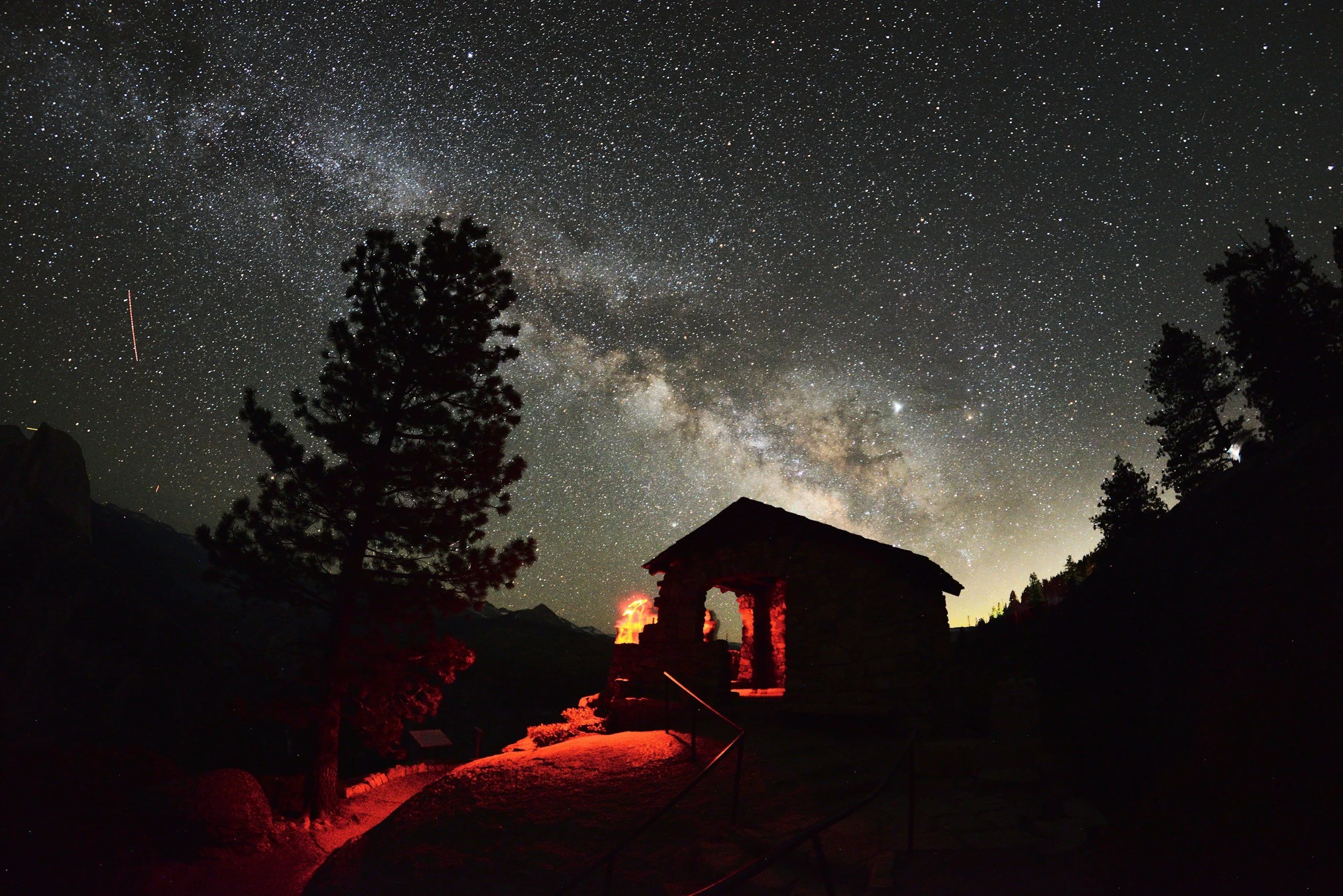
The Adirondack’s dark night sky’s provide the perfect environment for watching a lunar eclipse or planet parade.
How to see the planet parade.
ADK Taste’s practical guide:
• Head outside 30–60 minutes after sunset on February 28 (and surrounding evenings).
• Find a clear western horizon — lake shores, open fields, or mountain overlooks work best.
• Look low in the west for Mercury near the fading glow.
• Spot brilliant Venus above it.
• Find steady, subdued Saturn nearby.
• Shift your gaze higher toward the southeast for bright Jupiter.
• Bring binoculars to try for Uranus and Neptune.
• Check local sunset times before heading out.
NASA and timeanddate.com both offer planet visibility tools for precise positioning.
How to watch the lunar eclipse.
• Set an early alarm for March 3.
• Dress warmer than you think you need.
• Allow your eyes 10–15 minutes to adjust to the dark.
• Stay through peak totality to see the deepest color.
No telescope required.
Just patience.
Why Adirondackers should care.
Winter in the Adirondacks often revolves around skiing, snowmobiling, and ice fishing.
But sometimes the most extraordinary experience costs nothing more than stepping outside.
These events remind residents and visitors alike that the Park connects to something far larger than itself. The same sky stretches over frozen lakes in Indian Lake, quiet roads in Essex, and snow-dusted rooftops in Glens Falls.
The Adirondacks already deliver drama by day.
On February 28 and March 3, they deliver it by night.
And unlike many spectacles, this one requires no ticket, no reservation, no lift pass.
Just clear skies, warm boots — and perhaps a Senior Celestial Correspondent keeping watch.
Shop for unique Adirondack apparel, gifts and merchandise.



























ADK Talks Podcast
Love the Adirondacks? You’ll love our podcast. We take listeners beyond the guidebooks and into the heart of the Adirondacks. We share stories from the people behind the best places to eat, shop, stay and explore in the ADK. Find us on Apple Podcasts, Spotify or wherever you listen to podcasts.
Looking for the best things to experience in the Adirondacks? Let ADK Taste be your guide.
Recent news from the Adirondacks.




















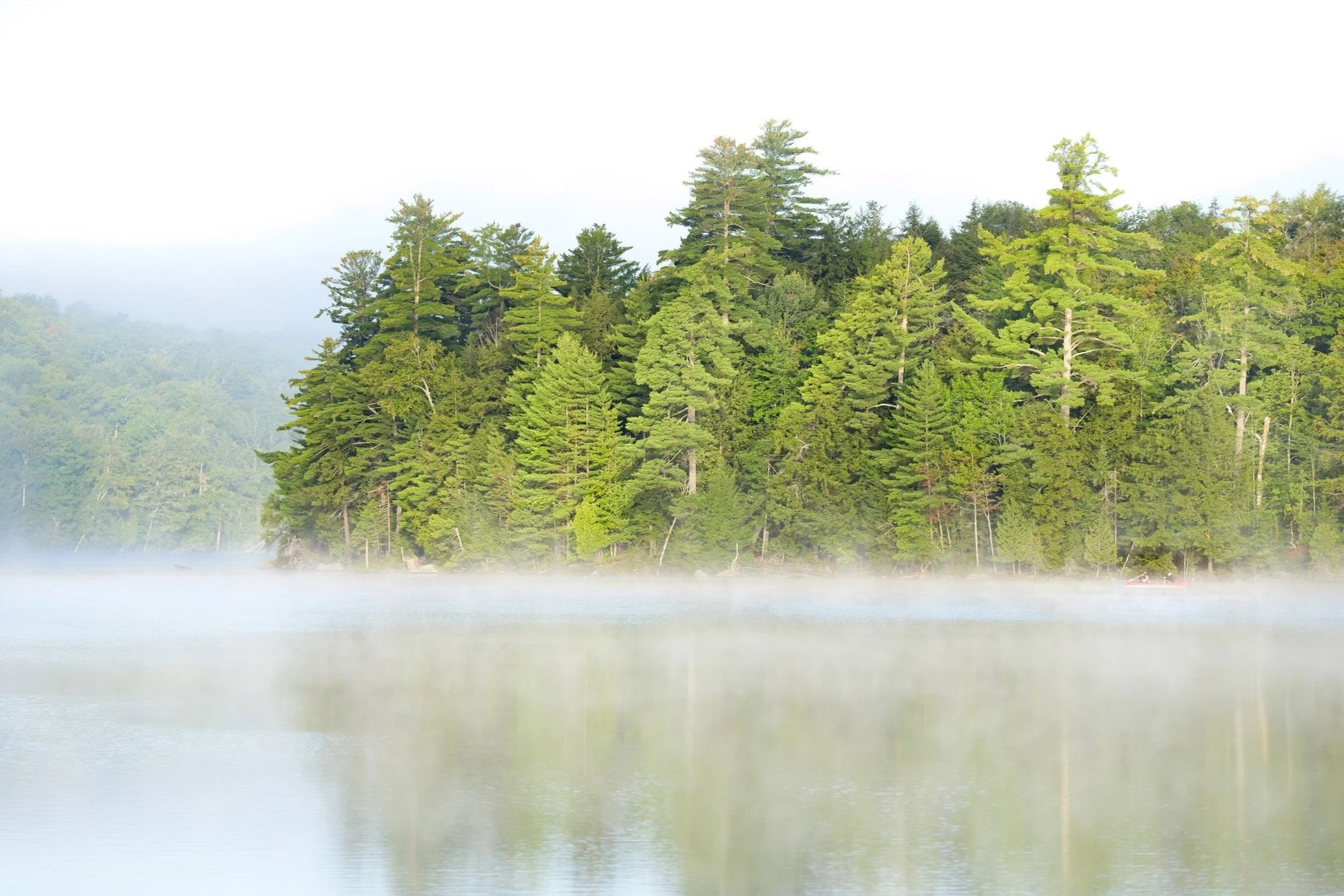





It’s early morning, and the mist hovers above the glassy surface of your favorite Adirondack lake, undisturbed but for the rhythmic dip of your paddle. The only sound is the gentle ripple of water breaking against your canoe. The air is crisp, carrying the scent of pine and the promise of another perfect day in the Adirondacks. Your worries are left ashore, traded for the serenity that only paddling these waters can provide.
You’re not just wearing any shirt. You’re donning an invitation to adventure, to explore the thousand lakes and secret inlets of the North Country.
Our Adirondack Paddler’s Long-Sleeve Tee is made of the softest cotton. It's perfect for layering or wearing on its own. It’s designed for those who know the joy of a paddling in the Adirondacks, who’ve felt the thrill of a canoe gliding silently through mirror-still waters.
This ultra-cotton long-sleeve tee is perfect for Adirondack paddlers of all kinds—canoers, kayakers, SUPs, guide boaters and more. It is a clear comfort winner in any season.
There are no side seams for a relaxed fit. The shoulders are taped for improved durability. We love that the cotton used for these shirts is environmentally friendly.
Check the size chart; friends and family tell us this long-sleeved tee may run a little small.