Emma Camp Mead: An Indigenous Adirondack Entrepreneur
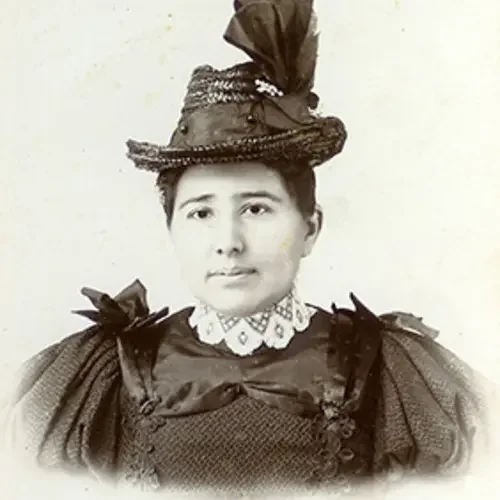
Emma Camp Mead.
During Women’s History Month, ADK Taste highlights the remarkable women who helped shape the Adirondacks—often in ways history has overlooked.
One such figure is Emma Camp Mead, an Oneida businesswoman whose entrepreneurial spirit helped define life in Indian Lake in the early 20th century. In the late 19th century, the Adirondacks were in transition.
Logging camps pushed deeper into the forests. Stagecoaches carried visitors into remote hamlets. Travelers—drawn by clean air and untamed landscapes—began arriving in growing numbers, laying the foundation for the region’s tourism economy.
But long before the Adirondacks became a destination, they were home.
And in Indian Lake, one woman was already building a life—and a business—on her own terms.
Emma Camp Mead, an Oneida-Abenaki entrepreneur, turned personal upheaval into opportunity, creating one of the region’s enduring early enterprises in the heart of the Adirondacks.
Before great camps and grand hotels, there was Emma.
Love discovering stories like this? ADK Taste is your weekly guide to Adirondack food, stories, and events—worth showing up for.
Born into two worlds.
Emma Camp Mead was born in 1866 near Indian Lake, into a family shaped by both Indigenous knowledge and Adirondack survival.
Her father, a guide and trapper of Abenaki descent, and her mother, a member of the Oneida Nation, raised their family in a landscape that demanded resilience. By the time Emma was a teenager, her family had built a hunting lodge on Little Moose Lake, serving sportspeople drawn to the region’s growing reputation as a wilderness escape.
She grew up learning the land—not as scenery, but as livelihood.
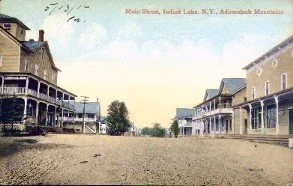
Main Street, Indian Lake.
Hunting, gathering, guiding. These were not romantic pursuits. They were practical skills in a region still largely untamed.
At the same time, the Adirondacks themselves were changing. Tourism was rising. Land protections were taking shape. And Indigenous communities were navigating an increasingly complex economic and cultural landscape.
Emma would do more than adapt. She would build.
An Adirondack businesswoman.
At just 17 years old, Emma married Gabriel Mead, the son of a wealthy downstate family.
The marriage didn’t last.
Under pressure from his family, a judge annulled the union within a year. But what followed would shape the rest of Emma’s life: she received an estimated $10,000 settlement—reportedly in gold—an extraordinary sum at the time.
Instead of retreating, she invested.
Emma used that money to purchase property in Indian Lake and open a general store and boarding house. It was a bold move in a remote Adirondack community, where access to capital—especially for women, and particularly Indigenous women—was rare.
She didn’t just open a business. She built one that lasted.
For decades, Emma operated her store and lodging, serving hunters, travelers, and locals alike. Her work aligned with the rising tide of Adirondack tourism, but her approach remained distinctly her own—grounded in independence, practicality, and deep knowledge of place.
Resilience in the face of (more) loss.
Hardship marked Emma’s personal life.
She remarried Gabriel Mead in 1885, and the couple had a daughter, Bessie. But the marriage faltered again, and Gabriel left shortly after their child was born.
Then came tragedy.
In 1890, Bessie died at just three years old after a fall.
Emma carried on.
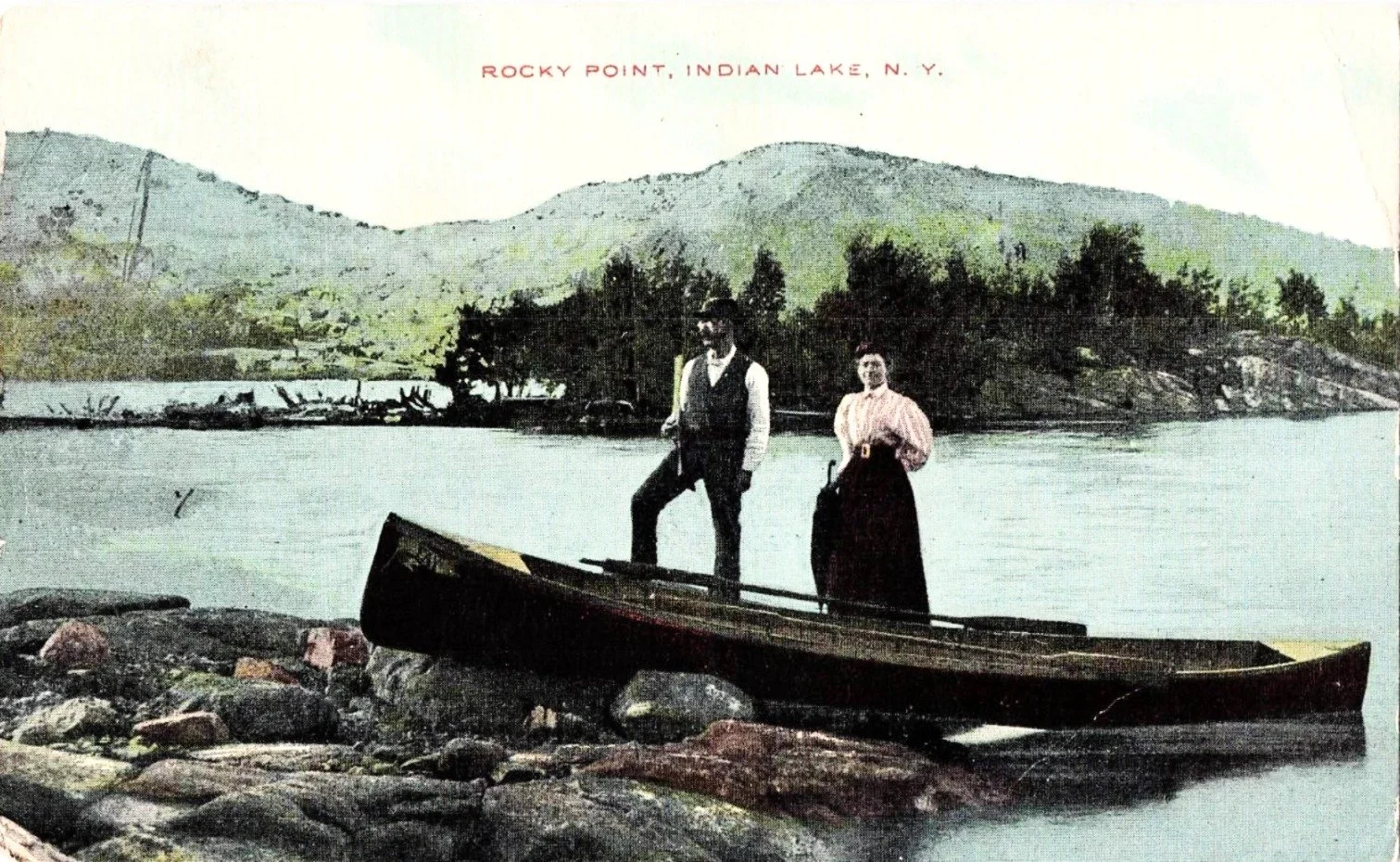
Boating with a guide on Indian Lake in the early 1900s.
She continued running her business—alone—through grief, abandonment, and the daily demands of life in a remote Adirondack town. Her store and boarding house remained active for decades, a steady presence in a region defined by seasonal flux.
This was not a short chapter. It was a lifetime of work.
A cultural bridge in the mountains.
Emma Camp Mead’s role in the Adirondacks extended beyond commerce.
She moved between Indigenous and non-Indigenous communities, often serving as a connector in a region where cultures overlapped but didn’t always fully understand one another.
She shared knowledge—of the land, of herbal remedies, of practical survival. She helped translate not just language, but ways of life.
Her herbal medicines, drawn from Adirondack plants, added another dimension to her business. These remedies served both people and working animals, reflecting the realities of a region dependent on labor, land, and local knowledge.
Emma’s business flourished for more than fifty years, beginning in the mid-1880s and continuing until her passing on December 4, 1934. During this time, she skillfully catered to urban visitors yearning for authentic Adirondack wilderness experiences.
Her establishment became a renowned destination, showcasing the allure of nature while demonstrating the strength and determination of individual initiative in the face of geographic isolation.
Why her story matters now.
Adirondack history often leans toward the familiar.

The heavens above Indian Lake.
Great Camps. Gilded Age families. Conservation pioneers.
Those stories matter. But they are not the whole picture.
Emma Camp Mead represents a different Adirondack legacy—one rooted in Indigenous knowledge, entrepreneurship, and self-determination. She built a business, sustained it for more than fifty years, and did so on her own terms.
She did not arrive by train. She was already here.
For those exploring the Adirondacks today—whether for a weekend escape or a deeper connection to place—her story adds something essential: perspective.
A reminder that these mountains hold more than scenic beauty. They hold stories of people who lived, worked, and built lives here long before the Adirondacks became what we recognize today.
Want more stories like this—plus the best things to do, eat, and explore in the Adirondacks each week? Subscribe to the ADK Taste newsletter and stay in the know.
Sources for this story:
Oneida Indian Nation — Gold, Silver, and an Annulment
Tales from the Adirondacks (archival text referencing Emma Camp Mead)
Rural Indigenousness: A History of Iroquoian and Algonquian Peoples of the Adirondacks
More women who shaped Adirondack history.
Explore more stories from ADK Taste’s Women’s History Month series, celebrating the women who helped shape the history of the Adirondack Park.
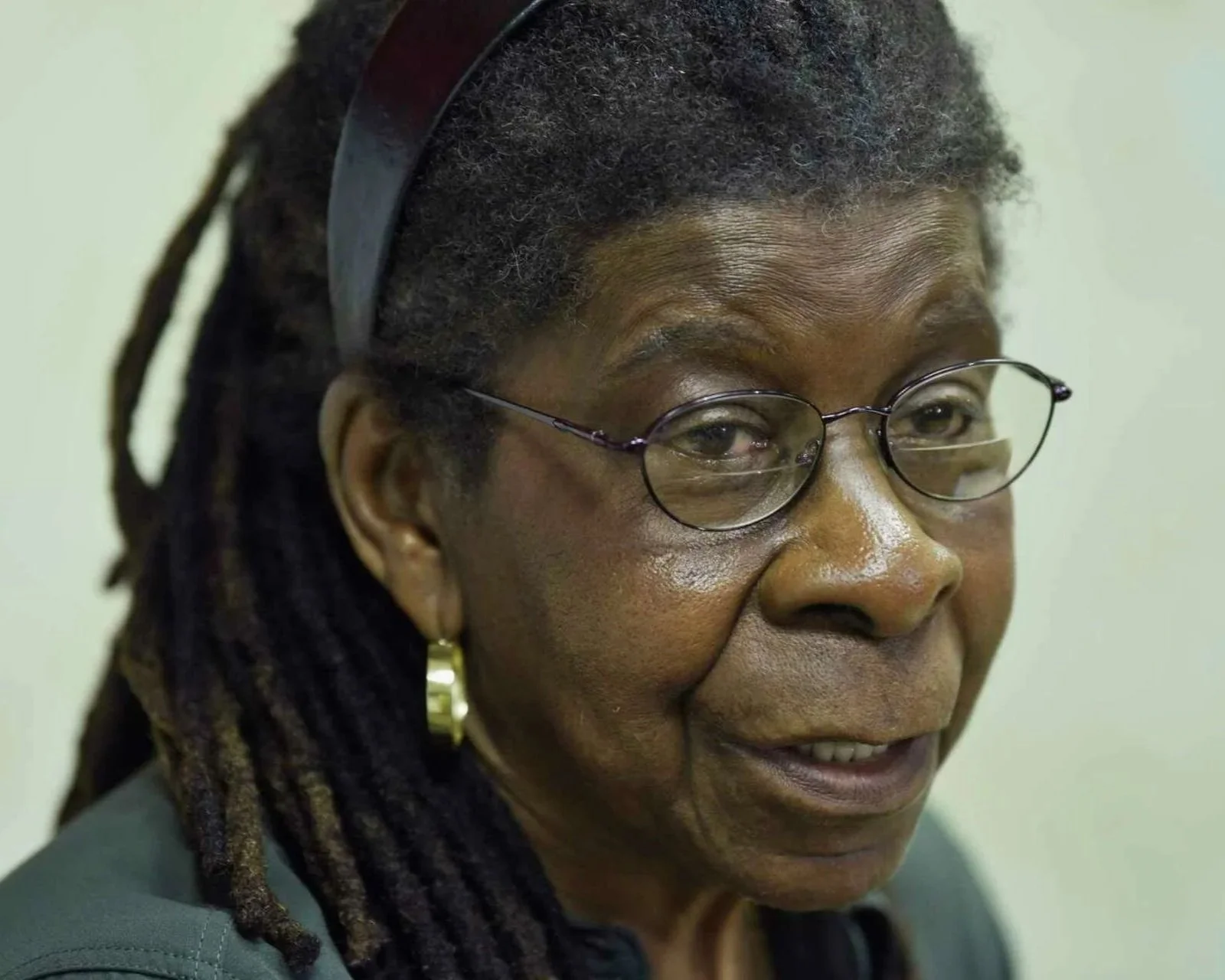
Born and raised in a small Adirondack town, Alice Green is known as a fierce advocate for racial and social justice, serving as the Executive Director of the Center for Law and Justice in Albany, New York.
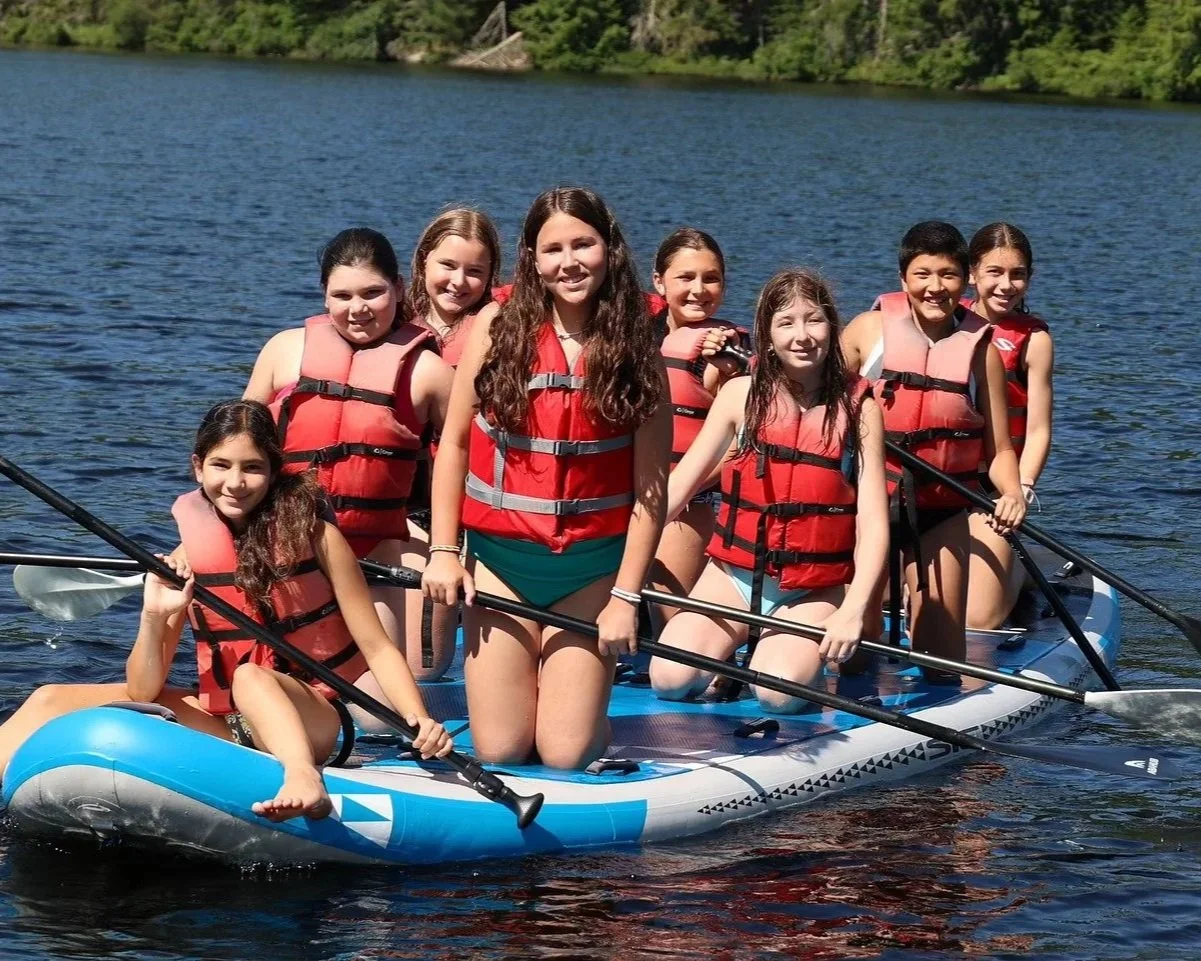
An Adirondack summer camp helped shape one of America’s best-known Supreme Court Justices, who was a trailblazer for gender equality and reshaped American law.
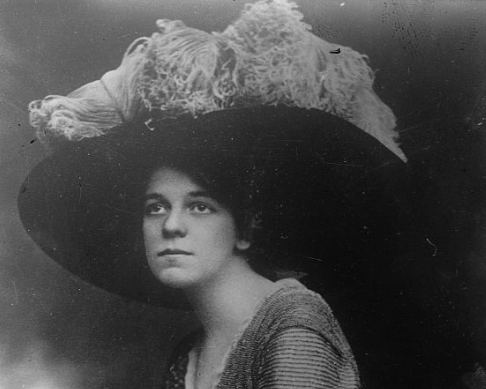
Meet Margaret Emerson, the woman who preserved Great Camp Sagamore after the Vanderbilt era and ruled its 1,500 acres with wit, grit, and a croquet mallet.
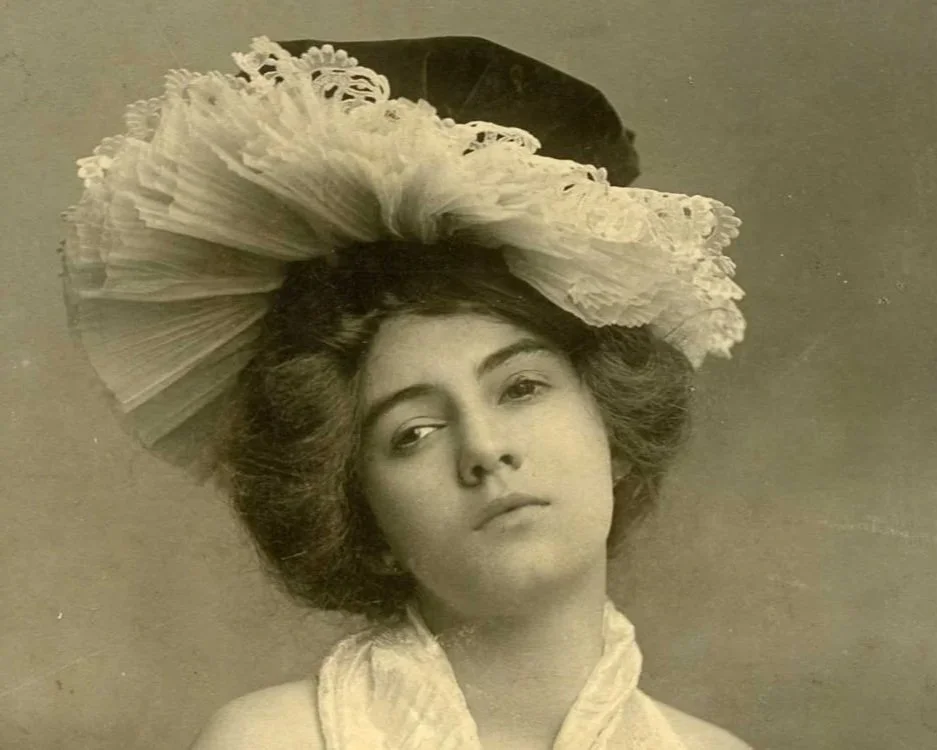
Jeanne Robert Foster, a woman whose life took her from the Adirondack wilderness to New York City, Boston, London, Paris and beyond.
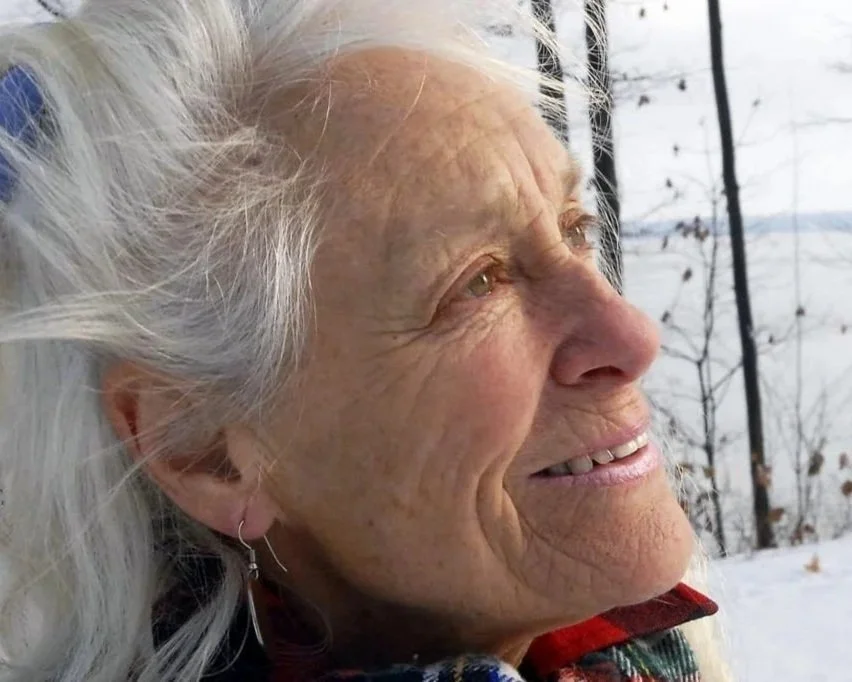
Known as "Adirondack Woodswoman," Anne's unforgettable story shows bravery, strength, and commitment to protecting the beauty of the Adirondacks.a true pioneer and advocate for environmental conservation.
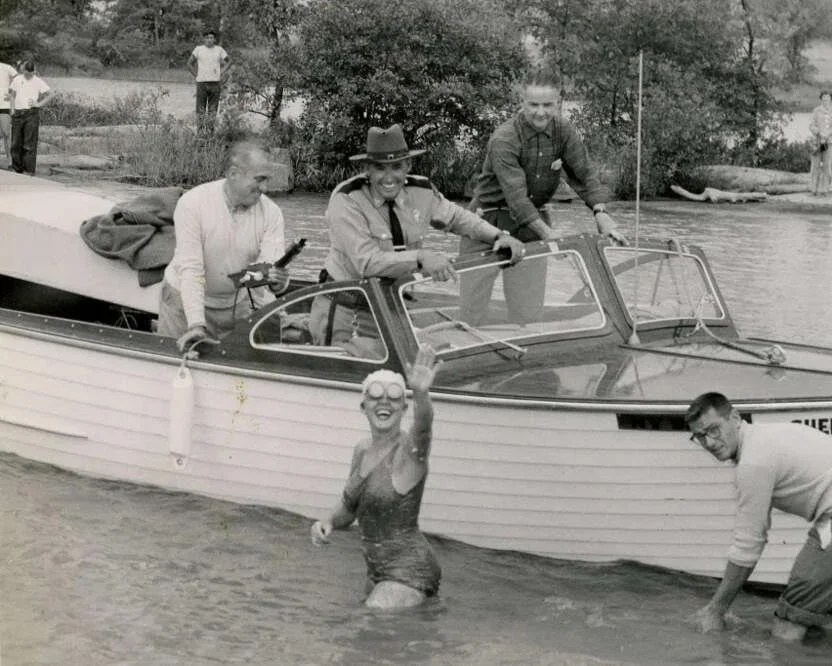
Diane Struble, a 25-year-old single mother, became the first swimmer to conquer Lake George.
The best places to experience, stay, eat and shop near Indian Lake.















Ultimate Guide to the Adirondacks
Your insider’s guide to exploring the Adirondacks—where to go, what to eat, and the experiences that make this place unforgettable.
Shop for unique Adirondack apparel, gifts and merchandise.





















ADK Talks Podcast
Love the Adirondacks? You’ll love our podcast. We take listeners beyond the guidebooks and into the heart of the Adirondacks. We share stories from the people behind the best places to eat, shop, stay and explore in the ADK. Find us on Apple Podcasts, Spotify or wherever you listen to podcasts.