
Cold, Wet, And Unprepared: What Really Happens When Winter Hikers Underestimate The Adirondacks
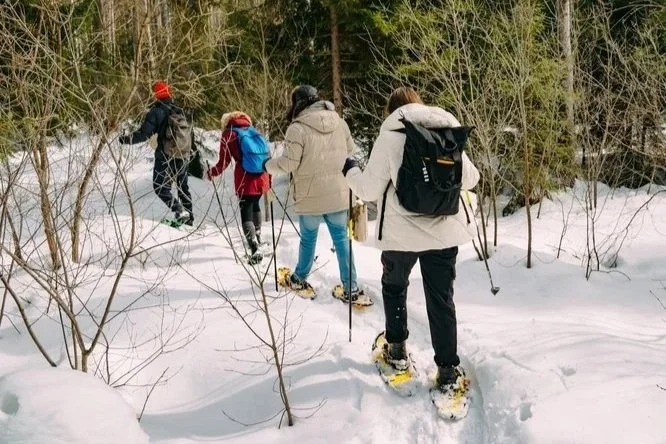
Winter hiking can be a magical experience if you’re prepared.
Winter in the Adirondacks has a way of pulling people in.
The trails are quieter. The views feel sharper. Snow muffles sound until the forest seems to hold its breath. For many hikers, snowshoers, and backcountry skiers, winter is when the Adirondacks feel most alive.
It’s also when small mistakes matter more — and consequences arrive faster.
In this episode of ADK Talks, hosts Jane and Steve welcome back Jeff Berry and Elena Lumby from the Search and Rescue Organization of the Northern Adirondacks (SARNAK) for a timely, candid conversation about what really changes when winter arrives — and why even well-prepared people can still find themselves in trouble.
With MLK weekend, Presidents’ Day, and mid-winter getaways approaching, this episode is essential listening for anyone thinking about heading into the Adirondack backcountry in snow season.

Hiking to Owl’s Head fire tower. Photo courtesy ROOSTadk.com
Who is SARNAK — and why their perspective matters.
SARNAK is an all-volunteer, nonprofit search and rescue team that supports New York State DEC Forest Rangers with boots on the ground when hikers, skiers, and outdoor recreationists are overdue, injured, or lost.
No one on the team is paid. Members train extensively, respond in challenging conditions, and rely on grants and donations to operate. When SARNAK speaks about winter risk, it’s not theoretical — it’s informed by real calls, real rescues, and real outcomes.
Jeff and Elena were two of ADK Talks’ most compelling guests in a previous episode. This conversation goes deeper — and colder.
Why winter isn’t just “summer with snow.”
One of the most important takeaways from this episode is simple: January is not July.
In winter:
Darkness arrives early — and quickly
Cold amplifies every delay
Wet clothing becomes a liability
Batteries drain faster than expected
Sitting still can become dangerous in minutes, not hours
Jeff and Elena explain how winter compresses decision-making time and why being “close to the trailhead” doesn’t mean you’re safe if something goes wrong.
They also talk candidly about the types of calls SARNAK sees most often in winter — including situations where people did many things right, but still found themselves in trouble.
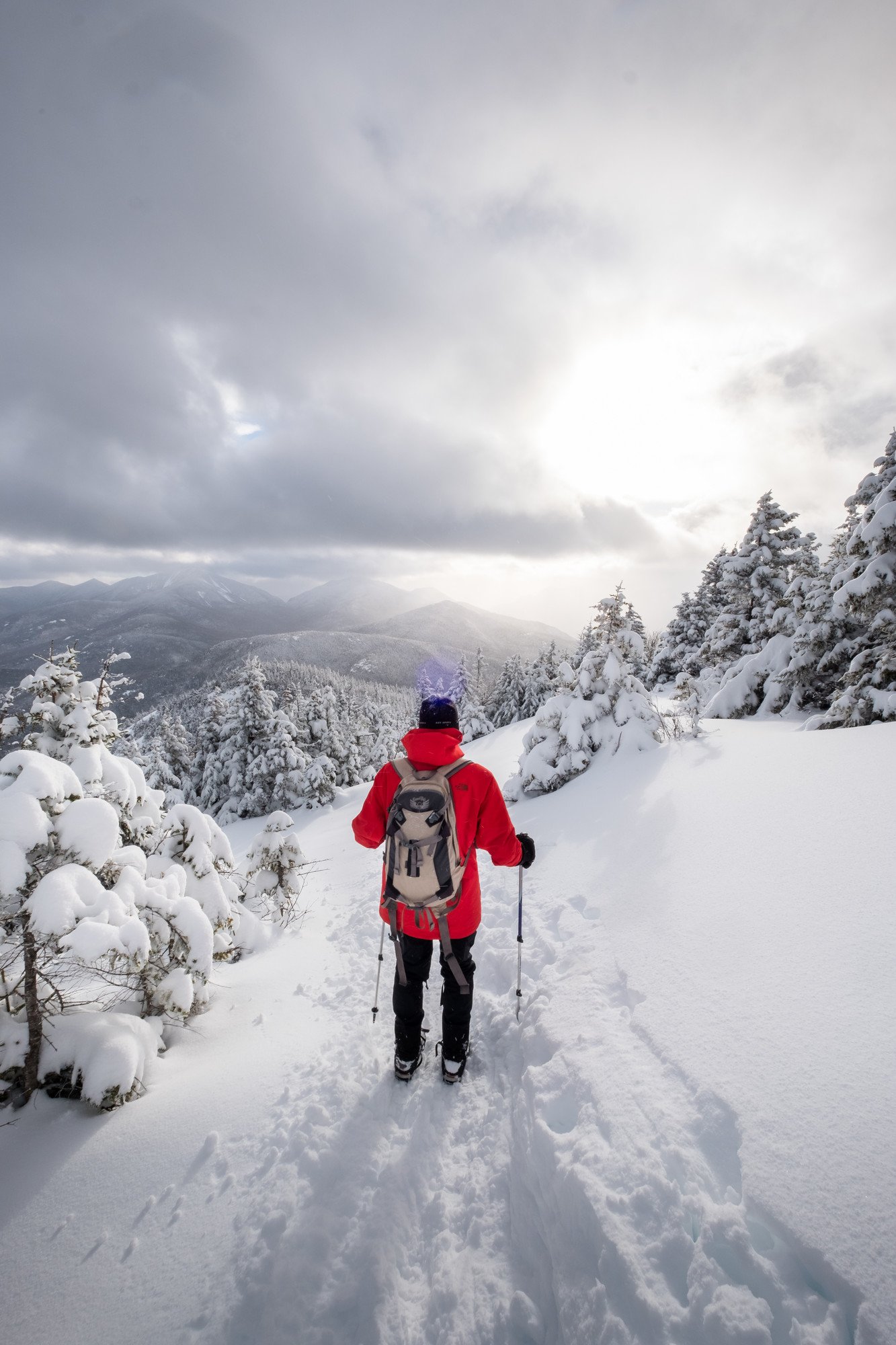
Giant Mountain Ridge Trail in Winter. Photo courtesy LakePlacid.com (ROOST).
When preparation still isn’t enough.
This episode doesn’t traffic in scare tactics — but it doesn’t sugarcoat reality either.
Jeff and Elena share stories that illustrate how winter plans can unravel:
How a single slip can turn into a long, cold wait for help
Why hypothermia isn’t always obvious — especially to the person experiencing it
How “summit fever” and goal-fixation can override good judgment
Why the margin for error is smaller than most people realize
They also discuss the moments that stay with rescuers — the ones that challenge assumptions about experience, fitness, and preparedness.
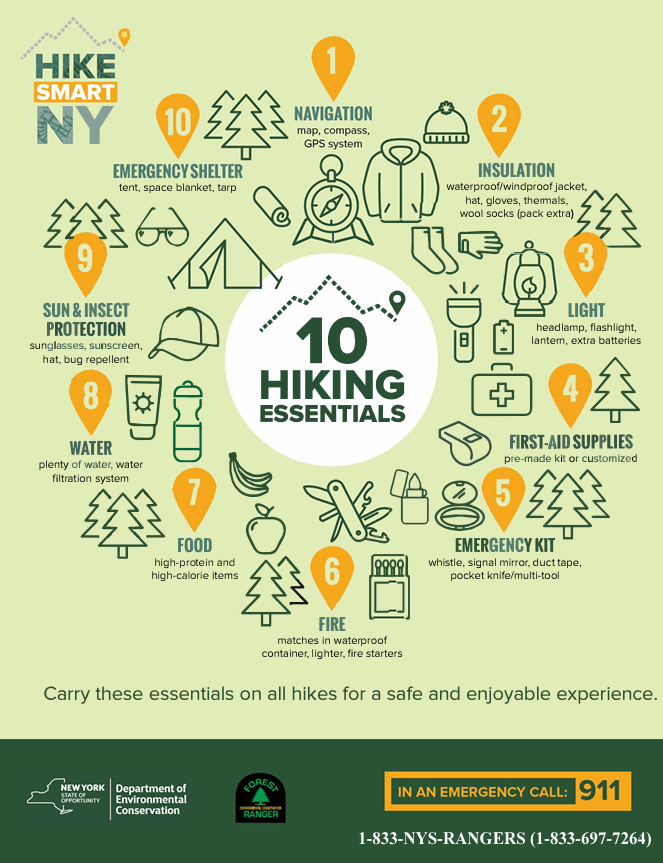
NYS DEC Hike Smart guidelines for being prepared in the outdoors.
You’ll hear why SARNAK often says that winter rescues aren’t about recklessness — they’re about underestimation.
The small habits that matter most.
Rather than delivering a gear lecture, this conversation focuses on decision-making and habits — the quiet choices that make winter adventures safer and more enjoyable.
Among the topics discussed:
Why SARNAK insists on the “two headlamps” rule
What hikers forget about hydration in cold, dry air
How layering is really about heat management, not warmth
Why snowshoes aren’t optional when snow depth increases
The importance of signing trail registers — and telling someone your plan
Jeff and Elena also touch on the 10 Essentials, Winter Edition, and point listeners to trusted resources like Hike Smart NY for visual, season-specific guidance.
Winter can be incredible — if you respect it.
This episode is ultimately about confidence, not fear.
Jeff and Elena talk about how people new to winter hiking can start small, learn skills gradually, and take advantage of classes, guides, and local resources. They share what they love most about winter in the Adirondacks — the quiet, the clarity, the sense of reward — and why they want more people to experience it safely.
The message is consistent and reassuring: Winter in the Adirondacks can be magical — if you prepare for it, respect it, and stay flexible.
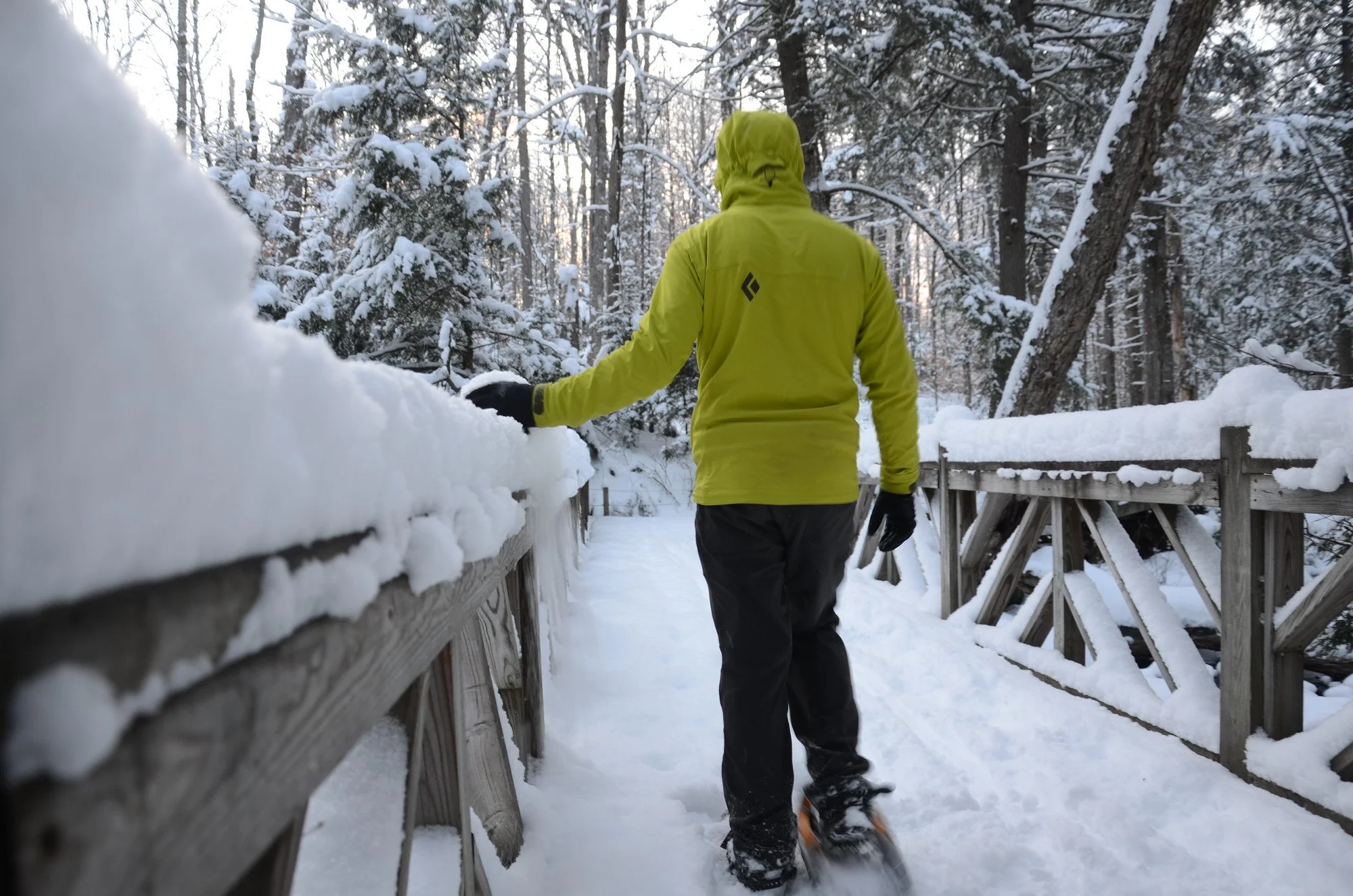
Snowshoeing at Paul Smith’s VIC. Photo courtesy ROOSTadk.com.
A warm ending (and a good meal).
As always on ADK Talks, the episode closes with a lighter note: winter “hidden gems” that aren’t trails or summits, but places that feel especially good after a cold day outside.
Because sometimes the best winter strategy is knowing where to refuel.
Listen to Episode 054.
If you’re planning a winter hike, snowshoe, or ski trip — or even just thinking about it — this episode offers perspective you won’t get from a packing list or weather app.
ADK Talks can be found on Apple Podcasts, Spotify, or wherever you listen to podcasts.
Mentioned in this podcast.
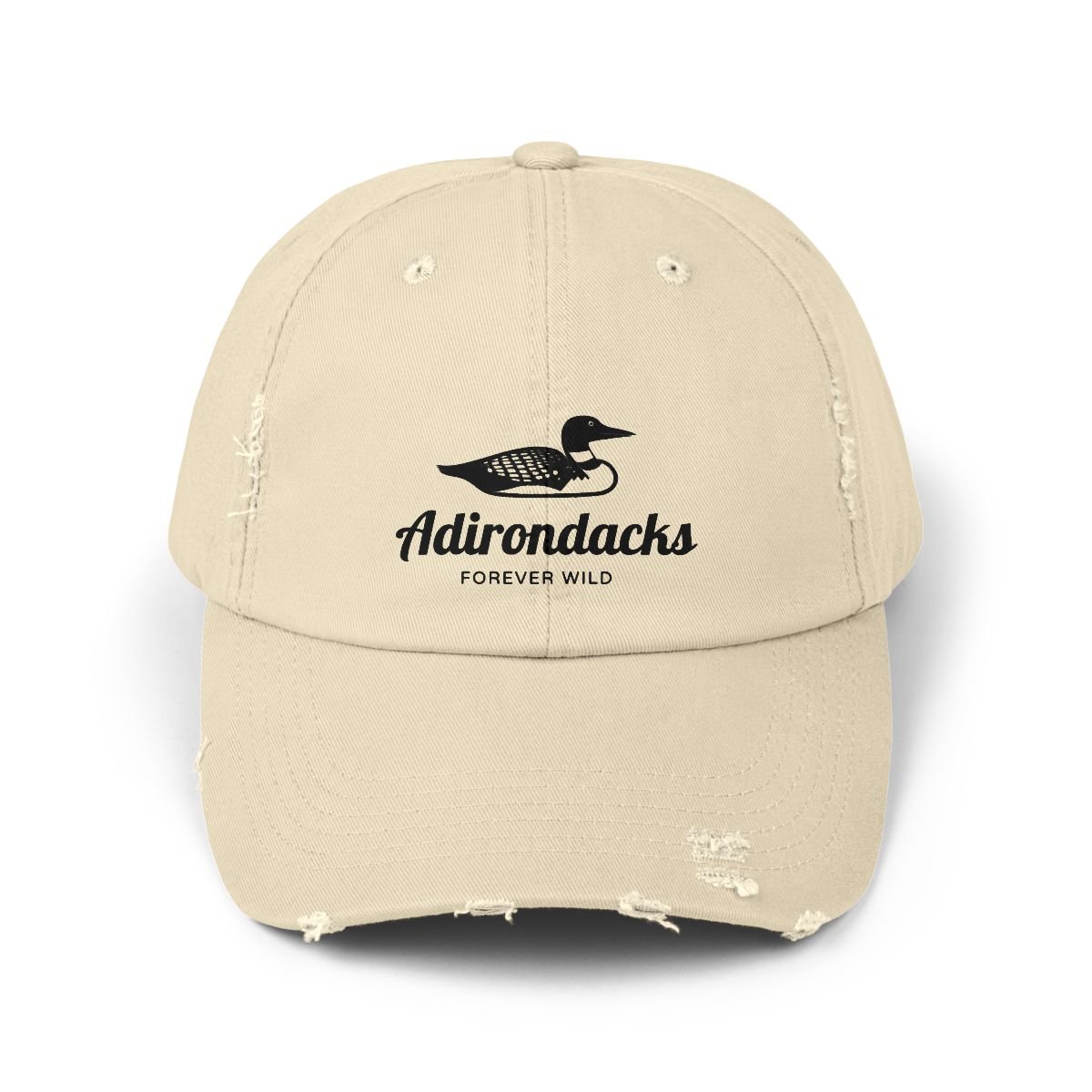
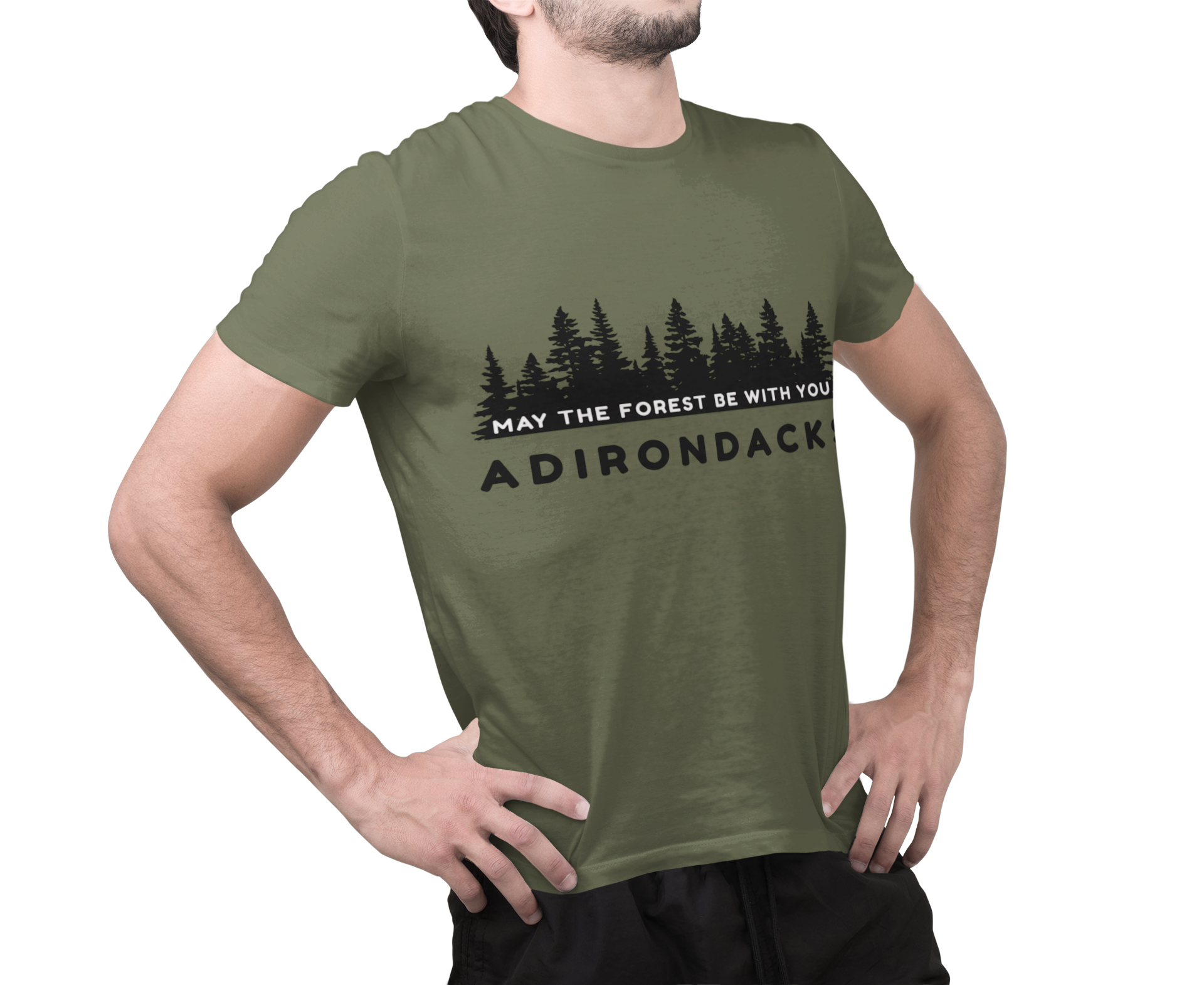
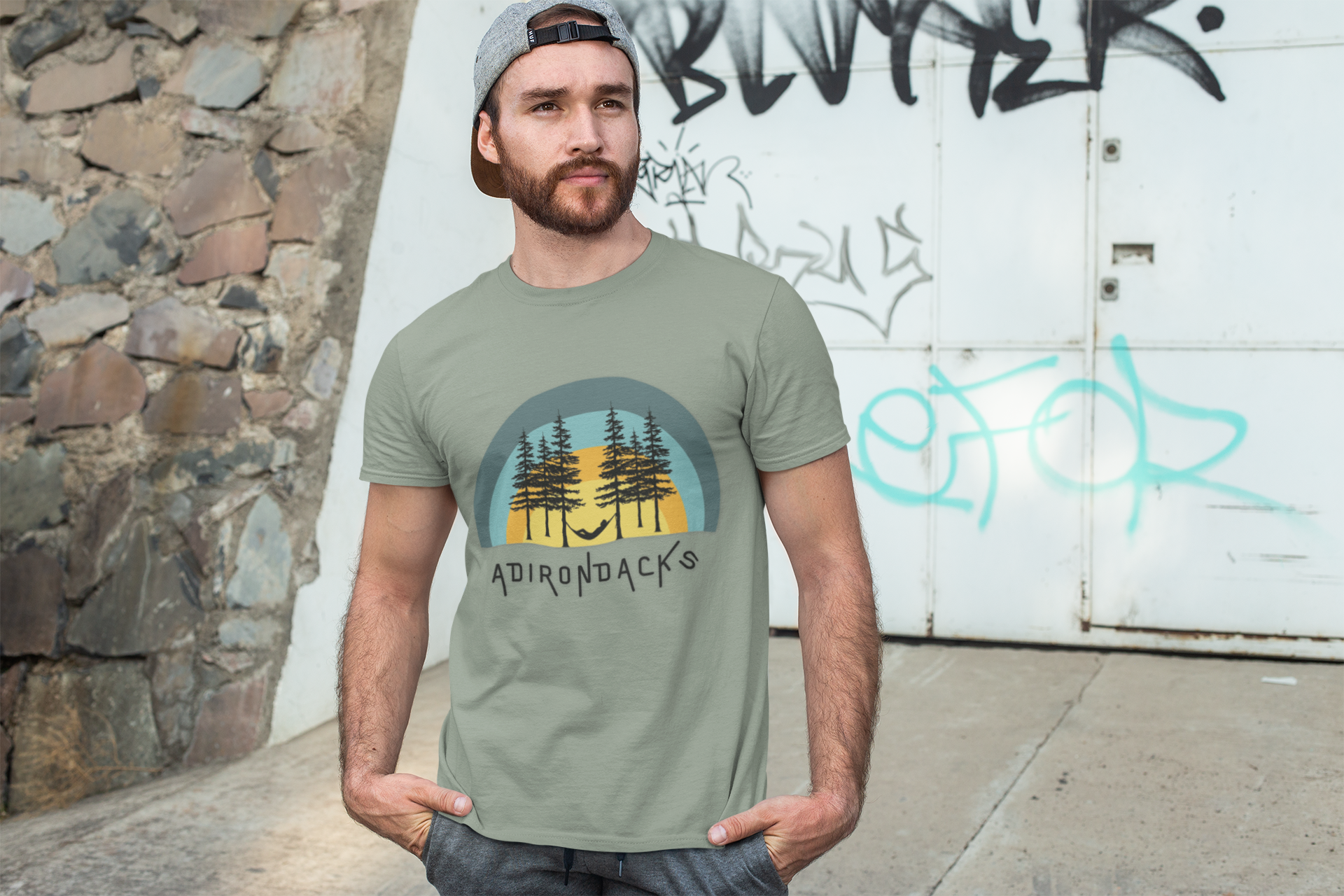
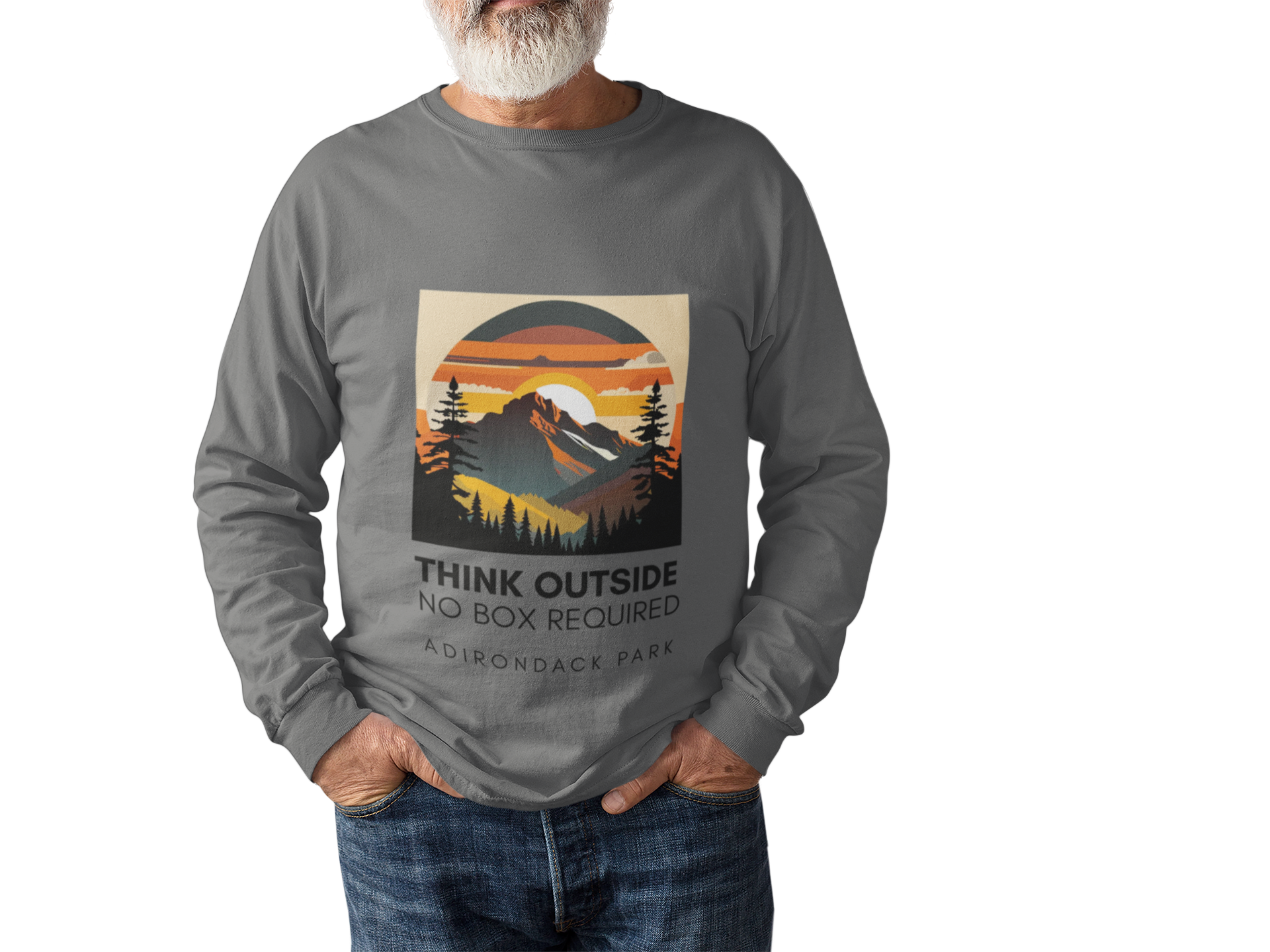
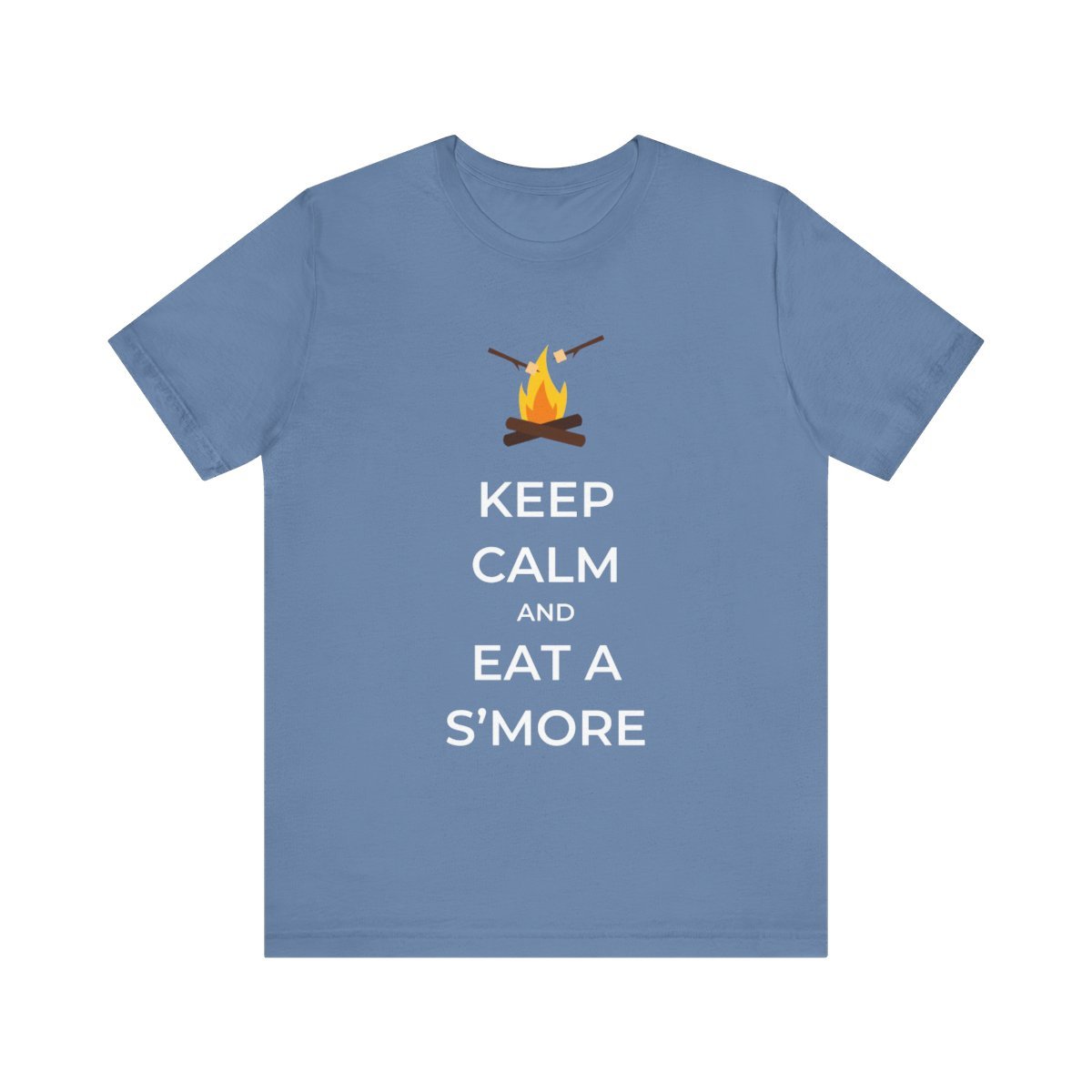
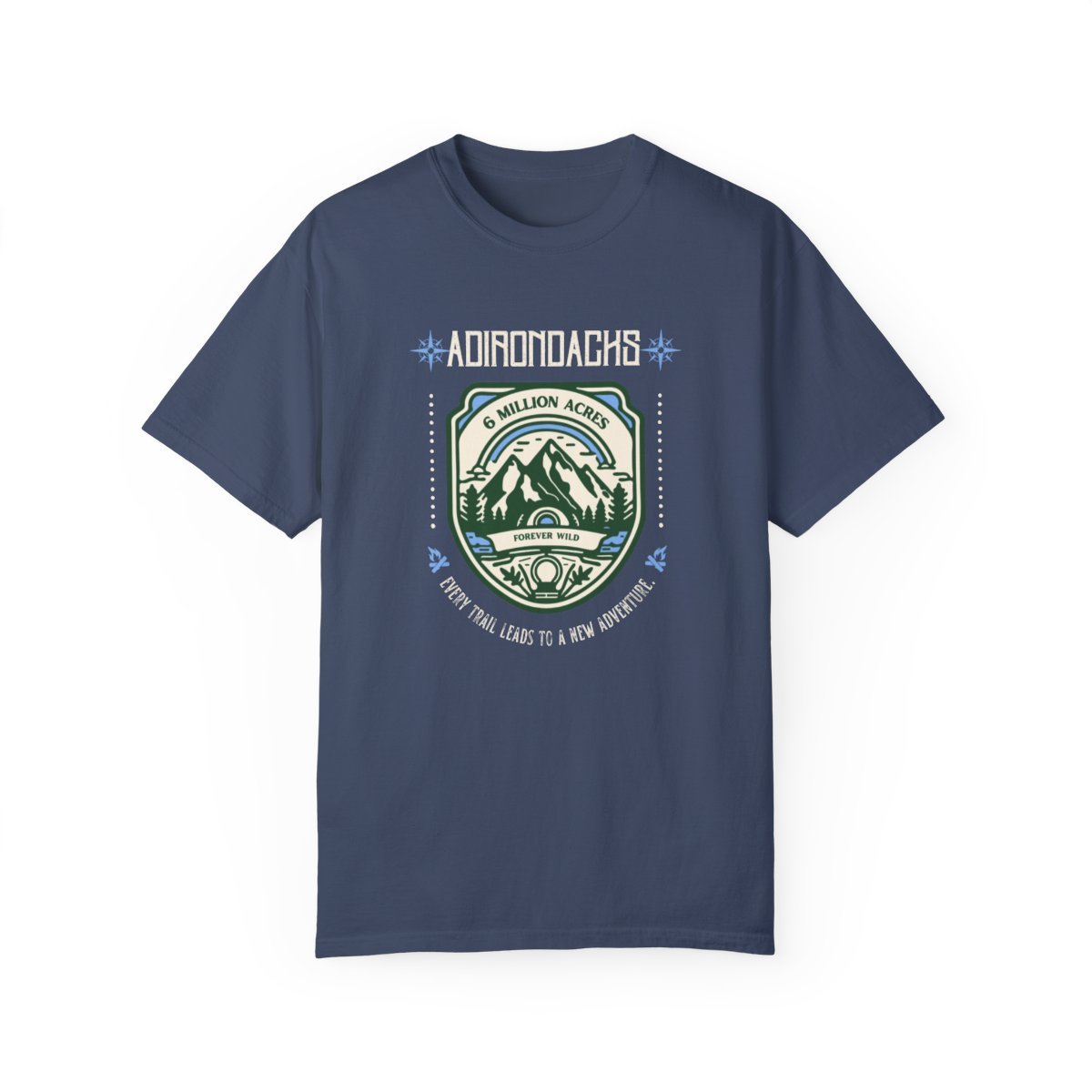
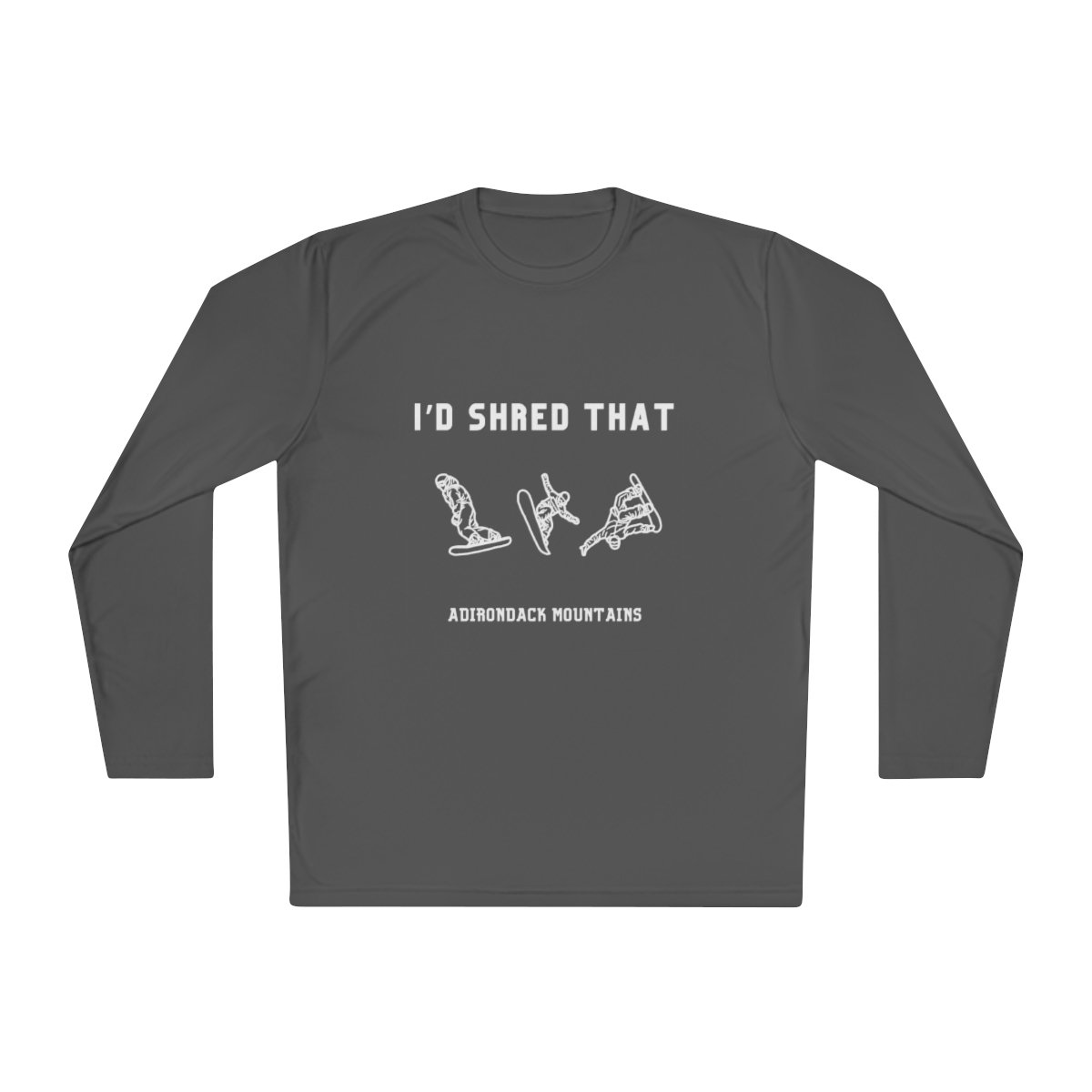
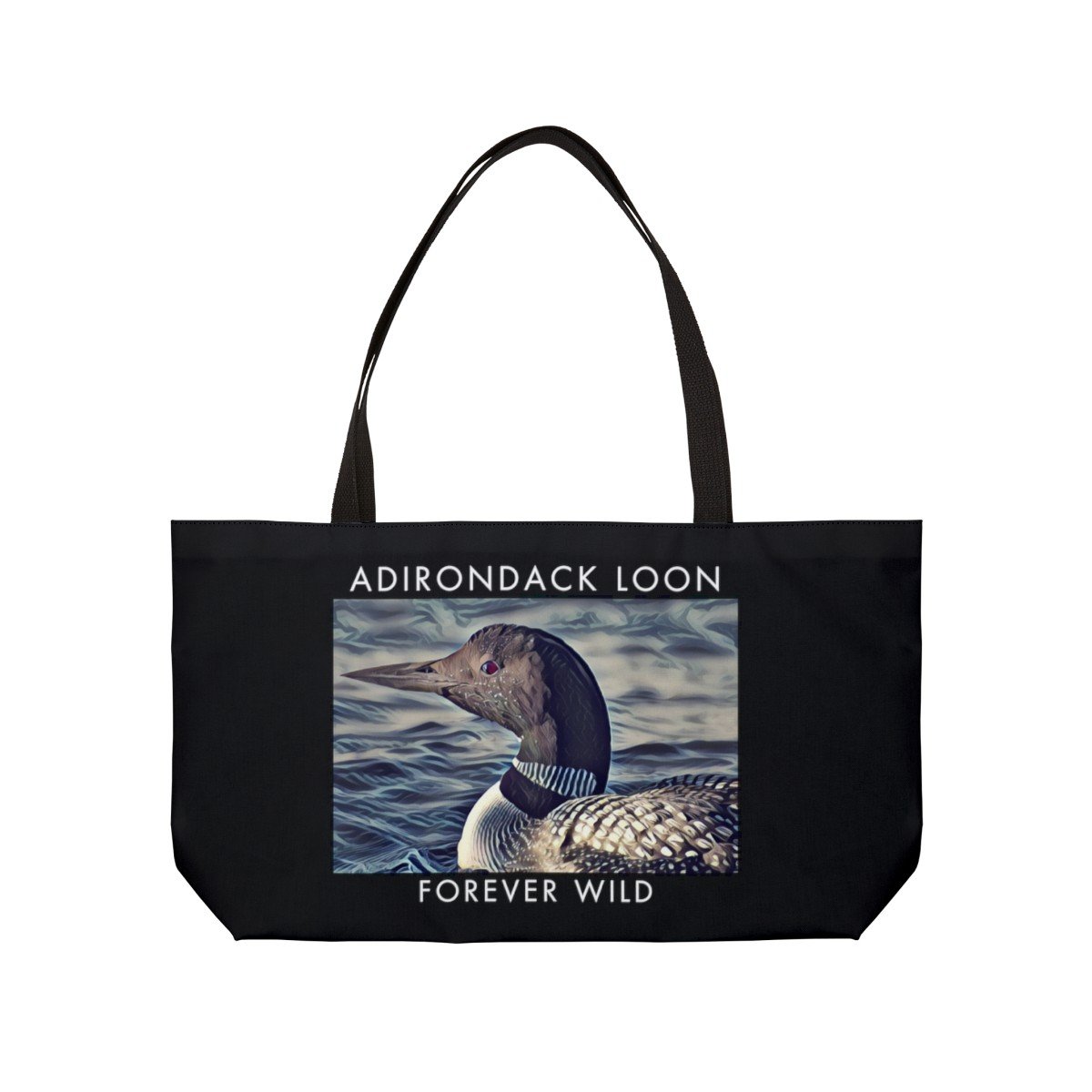
Shop for unique Adirondack apparel, gifts and merchandise.



















ADK Talks Podcast
Love the Adirondacks? You’ll love our podcast. We take listeners beyond the guidebooks and into the heart of the Adirondacks. We share stories from the people behind the best places to eat, shop, stay and explore in the ADK. Find us on Apple Podcasts, Spotify or wherever you listen to podcasts.












It’s early morning, and the mist hovers above the glassy surface of your favorite Adirondack lake, undisturbed but for the rhythmic dip of your paddle. The only sound is the gentle ripple of water breaking against your canoe. The air is crisp, carrying the scent of pine and the promise of another perfect day in the Adirondacks. Your worries are left ashore, traded for the serenity that only paddling these waters can provide.
You’re not just wearing any shirt. You’re donning an invitation to adventure, to explore the thousand lakes and secret inlets of the North Country.
Our Adirondack Paddler’s Long-Sleeve Tee is made of the softest cotton. It's perfect for layering or wearing on its own. It’s designed for those who know the joy of a paddling in the Adirondacks, who’ve felt the thrill of a canoe gliding silently through mirror-still waters.
This ultra-cotton long-sleeve tee is perfect for Adirondack paddlers of all kinds—canoers, kayakers, SUPs, guide boaters and more. It is a clear comfort winner in any season.
There are no side seams for a relaxed fit. The shoulders are taped for improved durability. We love that the cotton used for these shirts is environmentally friendly.
Check the size chart; friends and family tell us this long-sleeved tee may run a little small.