
Inside Nettle Meadow: Adirondack Cheesemaking, Passion, and the Hitching Post Tavern
There are origin stories… and then there are Adirondack origin stories.
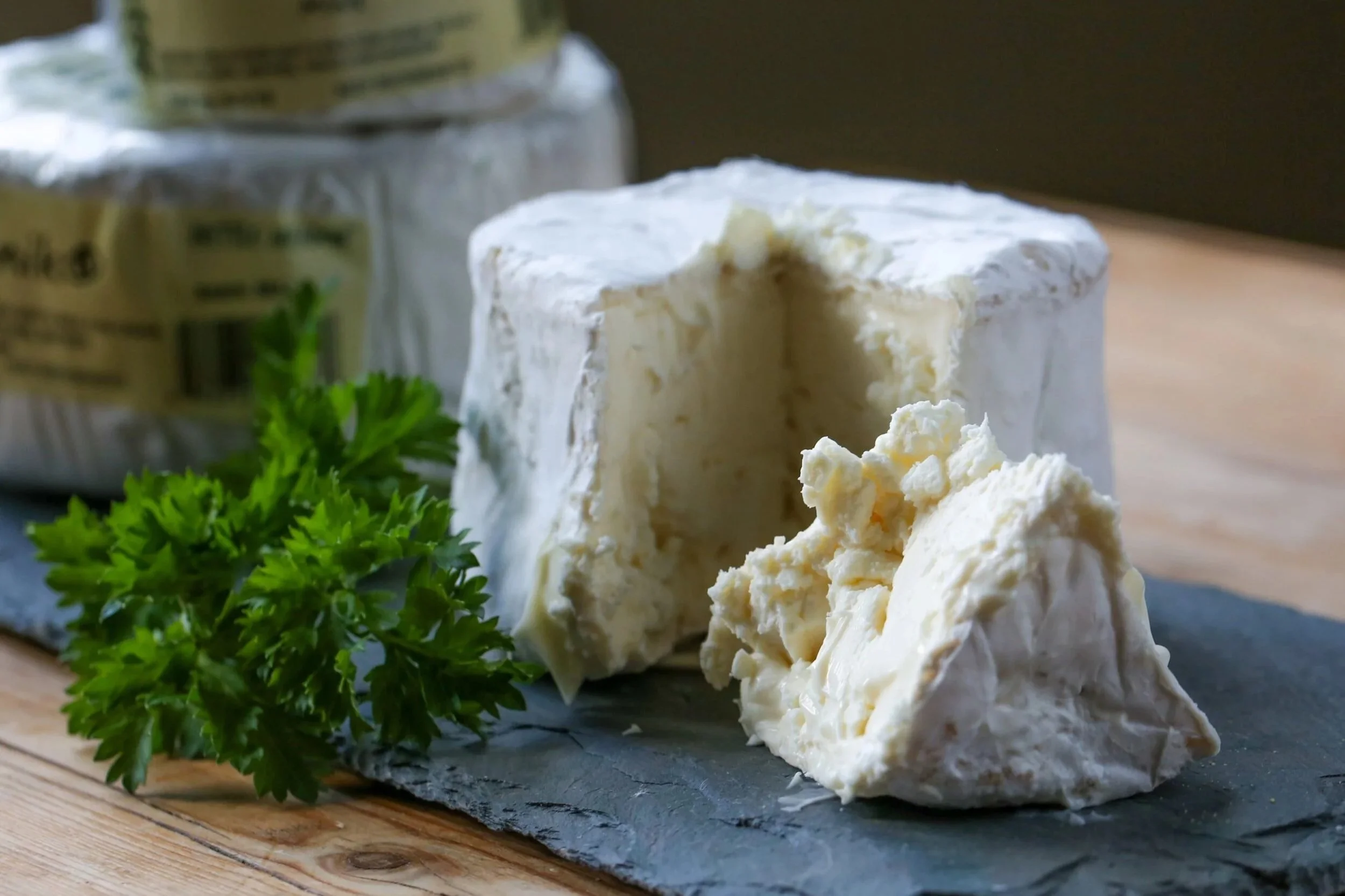
International-award-winning cheese from Nettle Meadow.
Picture this: a burned-out toxic-tort lawyer in Oakland, California, scrolling farm listings during phone depositions, searching for a way out of what she calls “literally toxic tort hell.” Then imagine her loading four ragtag Nigerian dwarf goats into a Honda Element and driving more than 3,000 miles across the country—goats included—to a scruffy little farm in Thurman, New York.
That leap of faith became Nettle Meadow Farm & Artisan Cheese, one of the most celebrated artisan creameries in America—and home to Kunik. This cult-favorite cheese turns casual snackers into people who “accidentally” eat the whole wheel before dinner.
In Episode 52 of ADK Talks, we sit down with Sheila Flanagan, CEO and co-founder of Nettle Meadow, to trace the journey from collapsing barns and brutal ice storms to international cheese awards—and to the warm, wood-beamed glow of the Hitching Post Tavern in Lake Luzerne, where goat cheese skeptics are quietly converted one grilled cheese at a time.
Whether you’re a longtime fan or you’ve never heard of Nettle Meadow (yet), Sheila’s story will make you laugh, make you hungry, and—if you’ve ever daydreamed about leaving a soul-crushing job behind—make you wonder what your own “Honda Element moment” might look like.
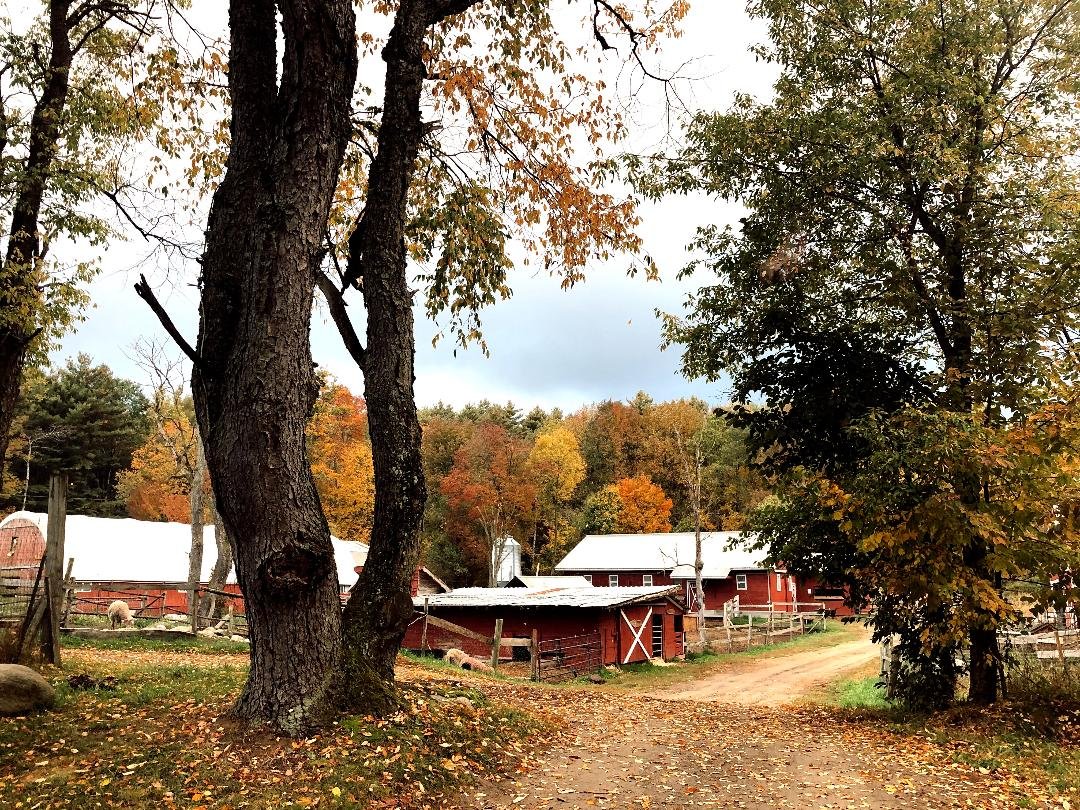
Nettle Meadow Farm in the southern Adirondacks.
From toxic torts to Thurman: a leap that started with goats.
Sheila doesn’t sugarcoat it: before she became a cheesemaker, she was a lawyer working on toxic tort cases in Oakland. And day after day, deposition after deposition, she kept thinking the same thing: she needed to find something “not so soul-wrecking” to do with her life.
So she and her partner (and co-founder), Lorraine, started looking—really looking—for a different kind of future. One day, Sheila spotted a listing for the Nettle Meadow property: a small farm operation with 36 goats, a handful of buildings that were “still collapsing,” and a location that would bring them closer to East Coast family.
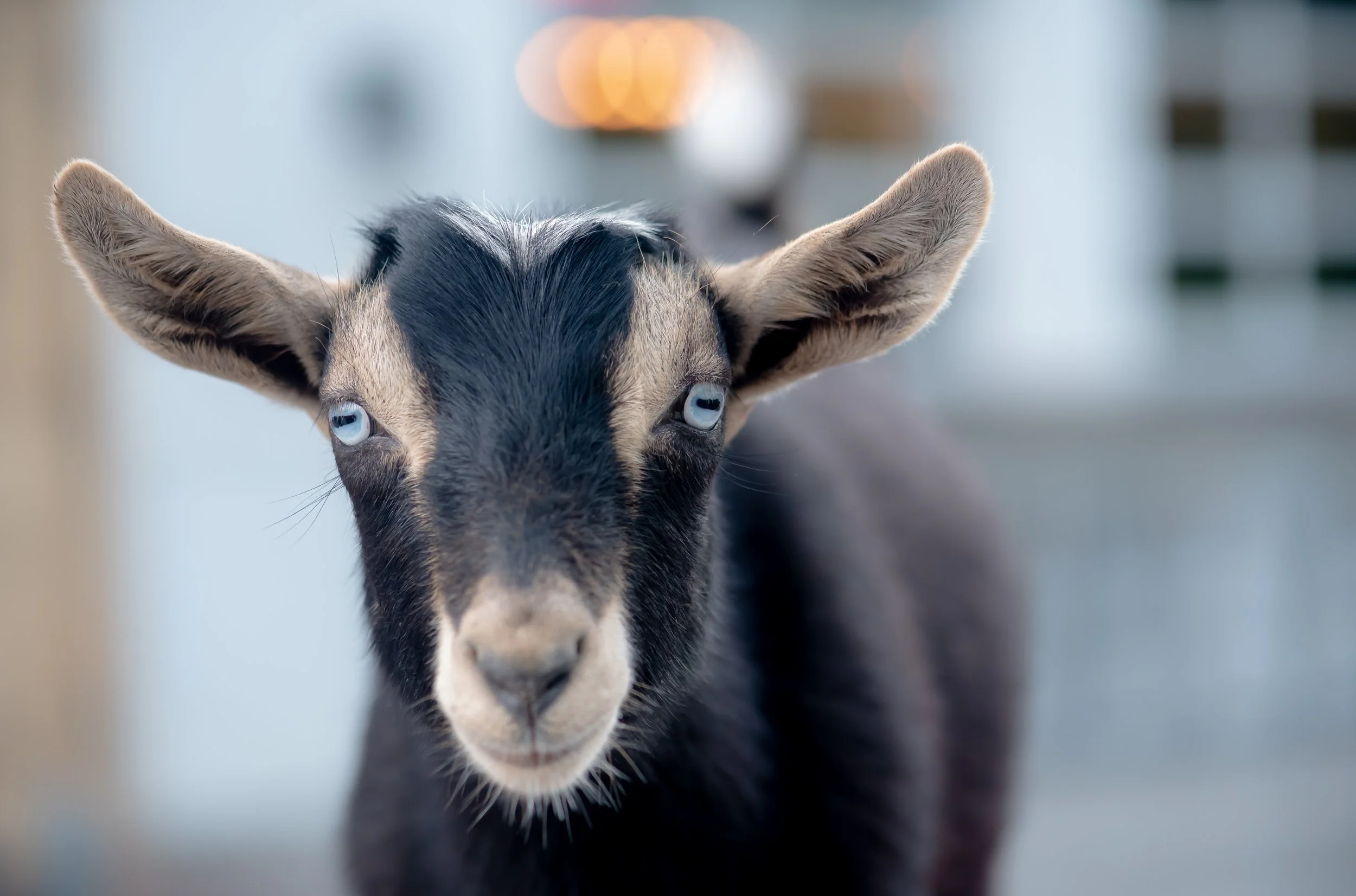
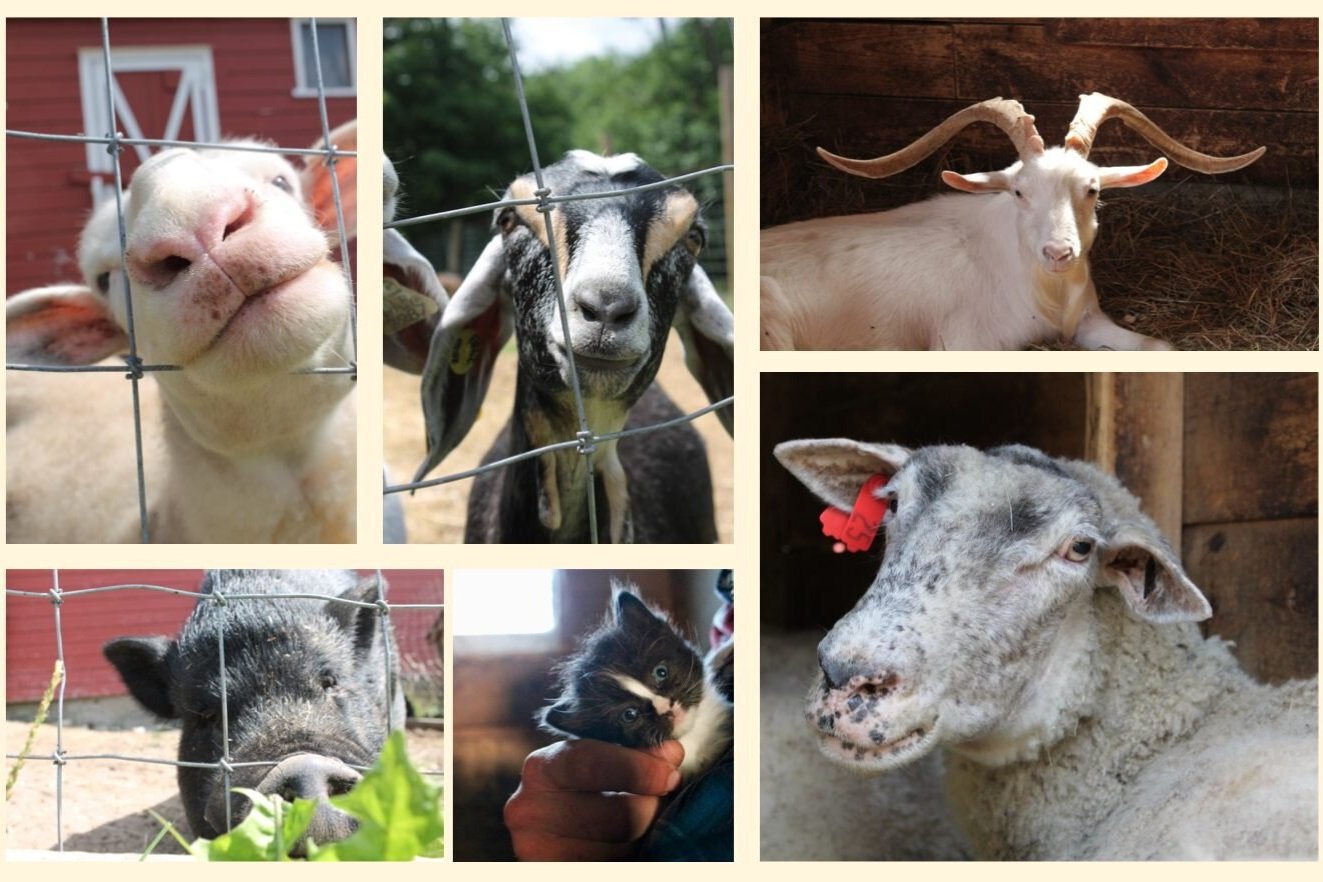
Nigerian Dwarf Goats: the gateway drug to artisan cheesemaking?
They visited with “incredibly rose-colored glasses,” and—against all sensible life advice—decided to do it.
But the goats didn’t just symbolize their new life. They came with them.
Those four Nigerian dwarf goats traveled cross-country in the back of Sheila’s Honda Element, turning her into “the most popular vehicle at every rest stop.” In the middle of the trip, the goats enjoyed a three-day vacation in Sheila’s mother’s backyard in Cedar Rapids, Iowa (which is somehow both hilarious and deeply wholesome). When they arrived in Thurman, the goats became farm celebrities—the greeters who welcomed visitors for years.
It’s one of those details you couldn’t make up if you tried. And it’s also the first clue that Nettle Meadow was never going to be “just a business.” It was always going to be a story
“We thought we were cheese geniuses”… and then reality arrived
Did Sheila and Lorraine already know how to make cheese when they bought the farm?
Sort of. Kind of. In the way that trying something at home once and succeeding can make you feel invincible.
Sheila explains that when they first started making cheese as hobbyists, they used milk from Nigerian dwarf goats—an animal that, she learned later, has exceptionally high butterfat.
Translation: the milk was basically cheating.

World-famous Kunik.
That first cheese tasted incredible. So, of course, Sheila and Lorraine assumed they were naturally gifted cheesemakers.
In Sheila’s words: they weren’t instant cheese geniuses. They just had “four amazing Nigerian dwarf goats.”
From there, the learning curve got real.
Sheila proudly calls Nettle Meadow’s team “journeymen”—not trained in Switzerland or France, not backed by a glamorous culinary pedigree, but built through grit: two days of learning equipment basics with former owner Rinald, then years of trial, error, and constant refinement.
The winter that nearly ended it all.
If you’ve ever lived through an Adirondack winter power outage, you already know: this region doesn’t do “mild inconvenience.” It does character development.
Sheila recalls a moment in their first year that nearly broke her: an ice storm in early fall that took down trees, knocked out electricity, made water access difficult, and made it “impossible to get to the animals.”
“Every improvement came through failure, mistakes, and adjustments.”
She thought: I am not made for this.
And then—this is the part that makes her a founder—she processed it, learned from it, and stayed.
A year later, they endured an even bigger snowstorm (three feet of snow, barometric pressure drops, goats kidding in the chaos), and somehow it didn’t shake her the same way. They had built the muscle. They had grown the skin.
They were becoming Adirondackers.
What makes Kunik so special? “A buttery brie with a goat kick at the end.”
Let’s talk about the cheese that has created thousands of Nettle Meadow fans (and at least one boyfriend who polished off a whole portion in one sitting).
When asked how to describe Kunik, Sheila gives a line that should be printed on a T-shirt:
“A buttery brie with a goat kick at the end.”
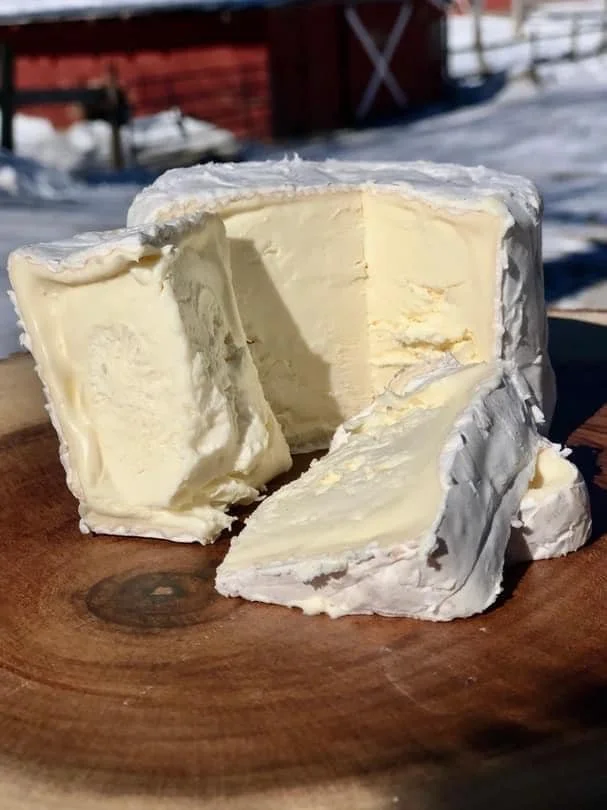
Buttery deliciousness that is Kunik.
Kunik is a triple crème that’s deliberately made to travel well—dense enough to ship across the country and still arrive luscious. It delivers that melt-in-your-mouth richness first… and then, at the end, a bright, clean goat note that isn’t “icky” or cloying—because the milk is extremely fresh (usually 24 hours old at most).
Kunik is approachable. It’s convert-the-skeptic cheese. It’s “wait, I didn’t think I liked goat cheese” cheese.
And it’s only the start of what Nettle Meadow makes, with a focus on sustainable practices and community engagement that ensure the farm's future for generations to come.
The “all-American goat” and the art of farming in the Adirondacks
If you’re wondering what kind of goats produce Nettle Meadow’s milk today, the answer is delightfully Adirondack: a practical, hard-won mix.
Sheila believes in hybrid vigor. Over time, they blended high-volume breeds (like Alpine and Saanen) with high-butterfat breeds (like Nubian and LaMancha)… and then, to everyone’s amusement, sometimes brought in Boer goats—meat goats.
Why? Because Boer goats are hardy enough to handle Adirondack winters and can help support off-season breeding—meaning milk (and cheese) doesn’t disappear the moment the weather turns.
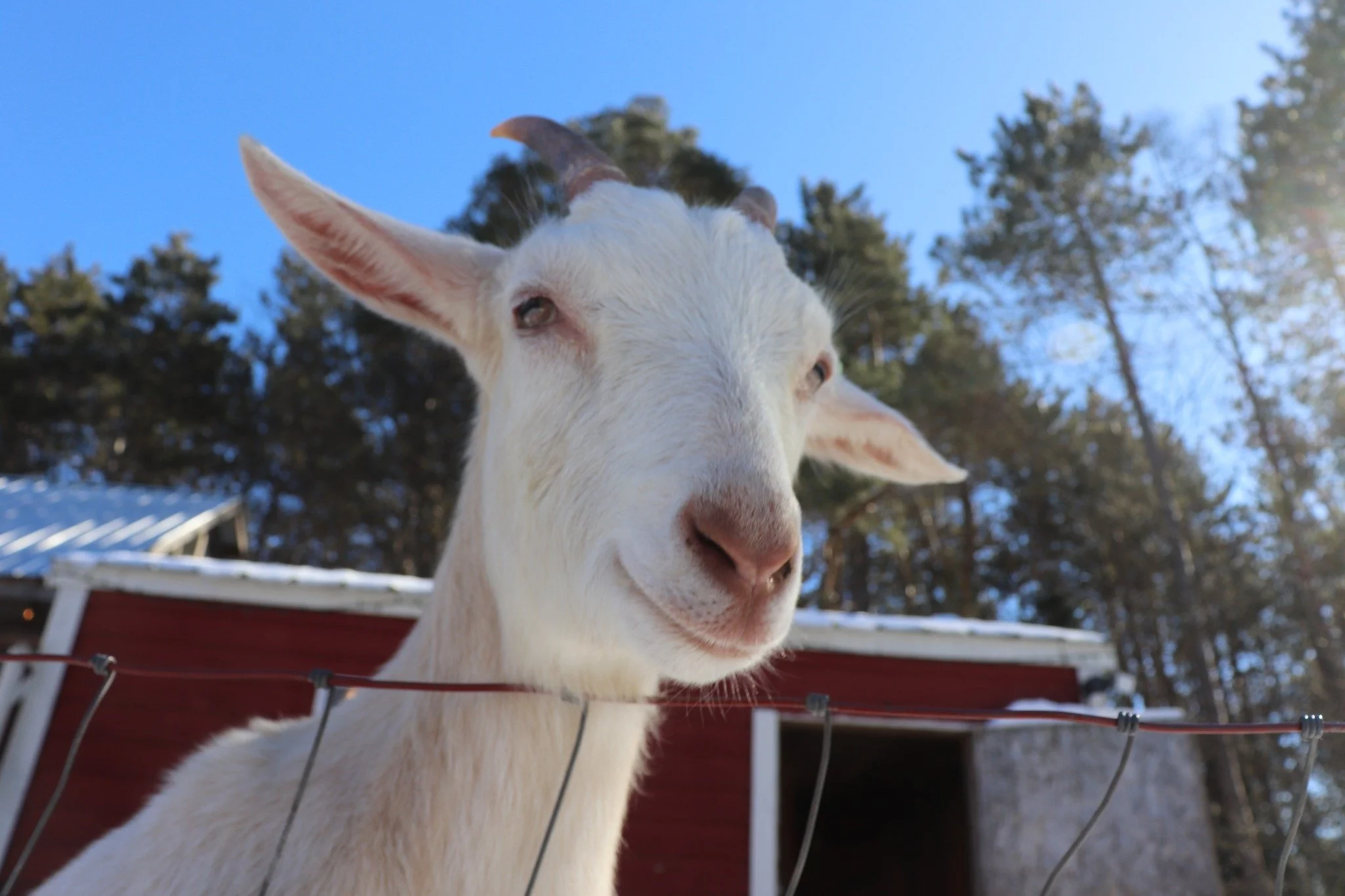
One of Nettle Meadow’s Saanen goats.
It’s not quaint. It’s not romantic. It’s smart.
And it’s exactly what “creative agriculture” looks like in a region where farming is possible—but never easy.
Adirondack terroir: nettles, raspberry leaf, and a butter cellar from the 1800s
It’s rare to hear someone talk about Adirondack soil with enthusiasm—but Sheila does, and she means it.
She believes Nettle Meadow’s “taste of place” starts with what the goats eat: not just hay, but herbs, weeds, nettles, and raspberry leaf (goats, as Sheila notes, are wild and like to party; sheep are sensible and stay put).
But the terroir story gets even better.
At the original Thurman farm, the aging environment included a historic butter cellar, built in the 1800s and made with Adirondack fieldstone. This environment created a mushroomy, earthy character in aged cheeses. Local residents even shared stories of the building’s past life as a dairy and creamery.
This is the Adirondacks at its best: history you can taste.
Why the Hitching Post Tavern was the next chapter.
As Nettle Meadow grew, the original farm’s infrastructure couldn’t keep up—especially the septic needs that come with running a cheese company. And so the team looked for a new home for production and retail.
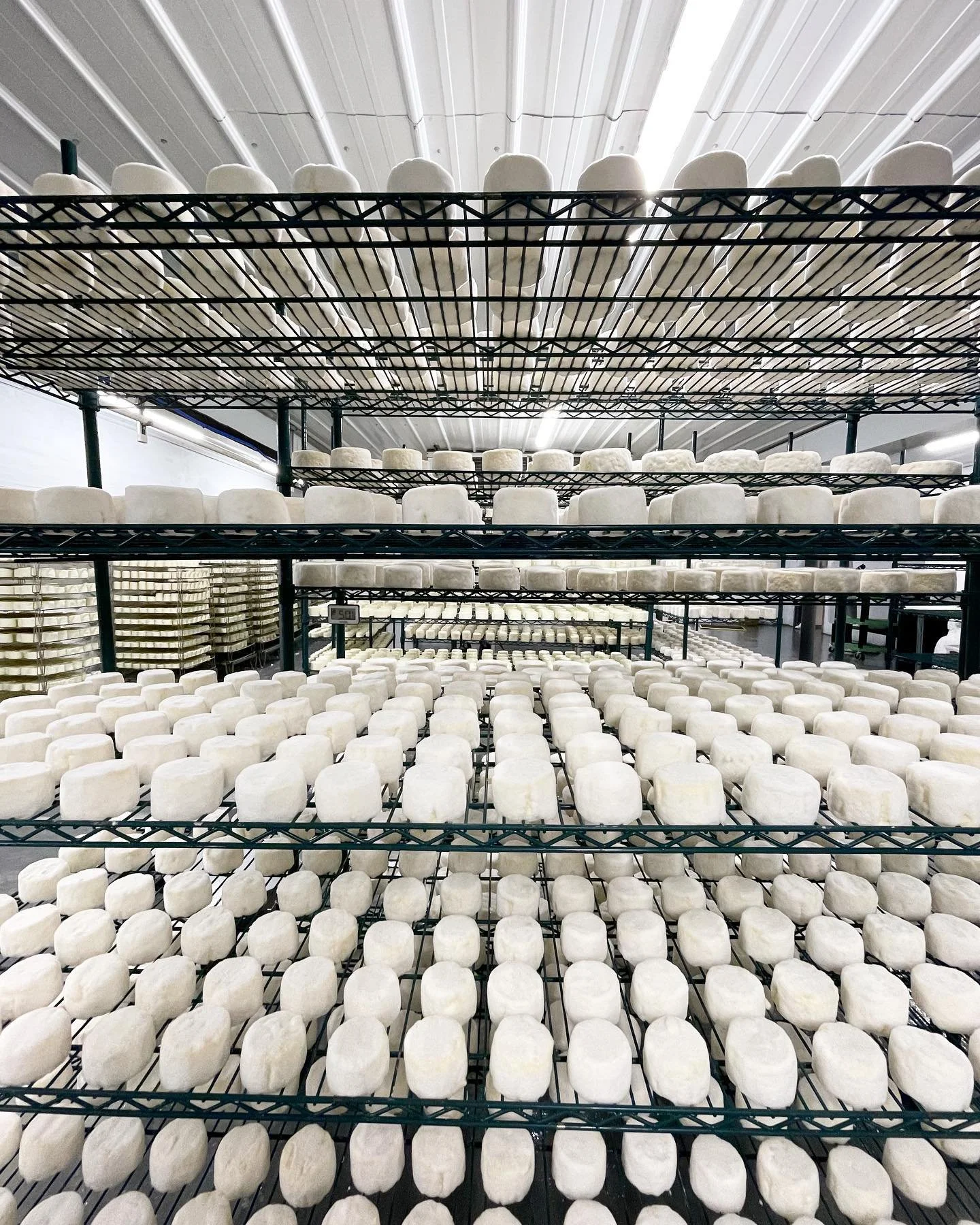
Now that’s a lot of cheeses.
They found it in a building with its own story: the Hitching Post Tavern in Lake Luzerne.
Built in the late 1930s, the Hitching Post was once a dude-ranch-era roadhouse—an 18,000-square-foot dance hall and dining hall where visitors came to eat and drink after their cowboy experience.
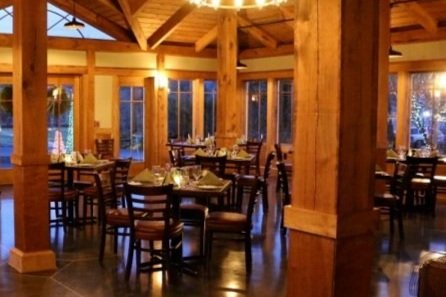
Today, it’s a cheese tavern, retail shop, and production hub—closer to Lake George, closer to year-round traffic, and far more accessible in the winter months than remote Thurman (where, as Sheila puts it, every year can feel like a “nail biter” until spring returns).
Just as important, the tavern serves another purpose: it helps people experience goat cheese in a way that feels friendly and familiar.
What to order if it’s your first visit.
If you’re heading to the Hitching Post Tavern, consider this your official permission slip to be delightfully cheesy.
Sheila recommends starting with:
Mac and cheese (a signature for a reason)
The Gunslinger sandwich: Kunik + local jam from Betty’s Funny Farm + bacon
A grilled cheese (simple, iconic, foolproof)
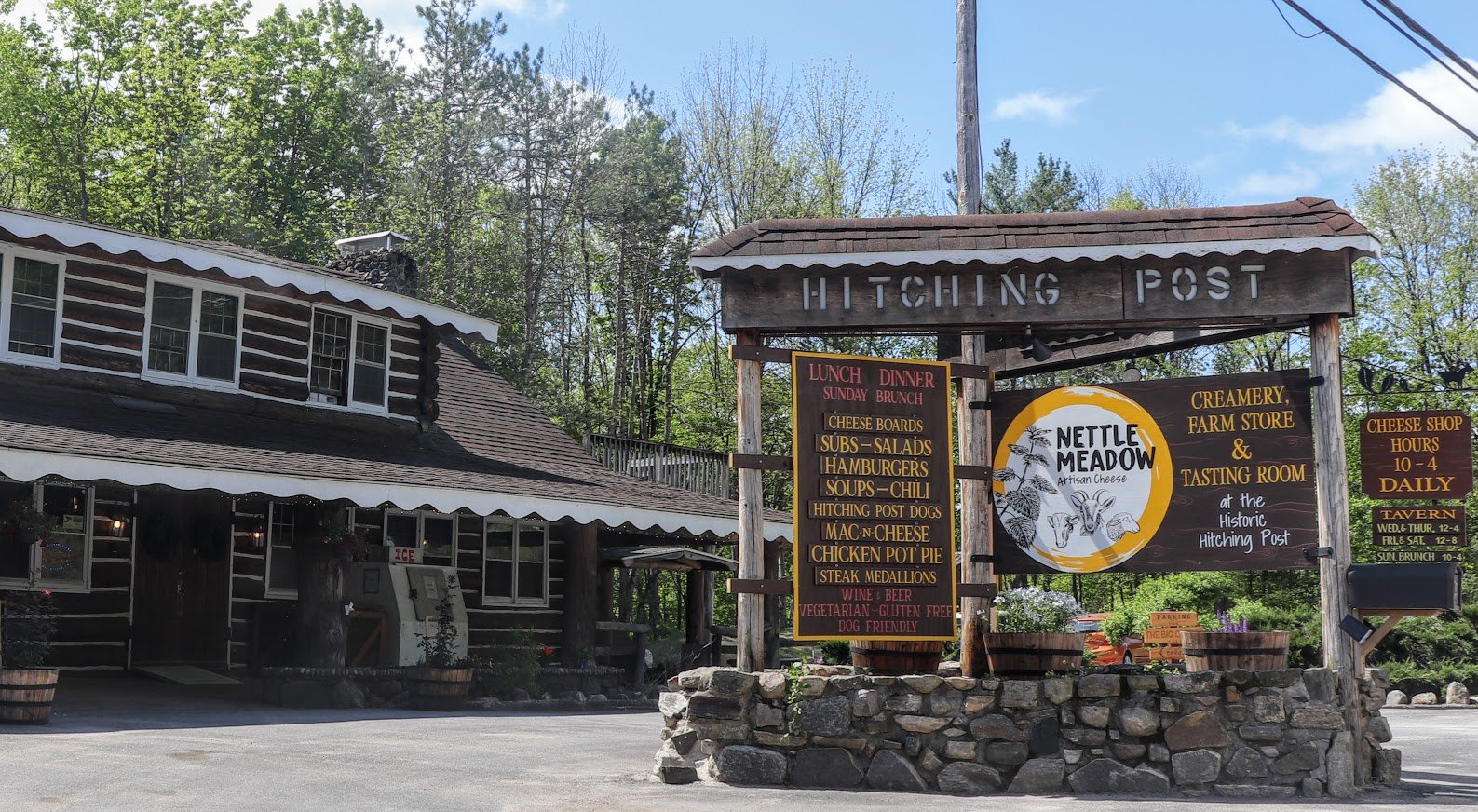
Hitiching Post.
Want something lighter? Try:
The Calamity Jane salad, topped with Calamity Crumbles, Toad Hill maple nuts, and dried cranberries
A Kunik and beet salad for a creamy, earthy combo that feels both cozy and fresh
The menu, she says, is designed so that “it’s hard to get out of our restaurant without having some experience of our cheese.” Consider yourself warned (and blessed).
Where to find Nettle Meadow cheeses (near and far).
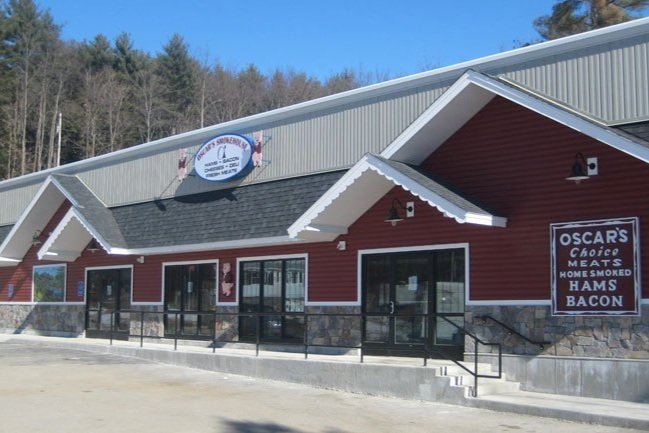
You don’t have to be in the Adirondacks to join the fan club. Sheila mentions a long list of supporters, including local favorites like Oscar’s Smokehouse in Warrensburg and broader regional retailers.
In many areas, Whole Foods is a reliable place to look. Specialty shops in NYC—including Murray’s (a longtime supporter) and Saxelby’s—have helped introduce Nettle Meadow to big-city cheese lovers for years.
What’s next for Nettle Meadow?
This is where the story turns honest—and deeply human.
Sheila shares that taking on the Hitching Post “in the middle of COVID” was a huge bite, and the business is still working to fully recover five years later. Nettle Meadow is also self-funded, and caring for retired and differently abled animals is central to the mission—but it comes with financial weight.
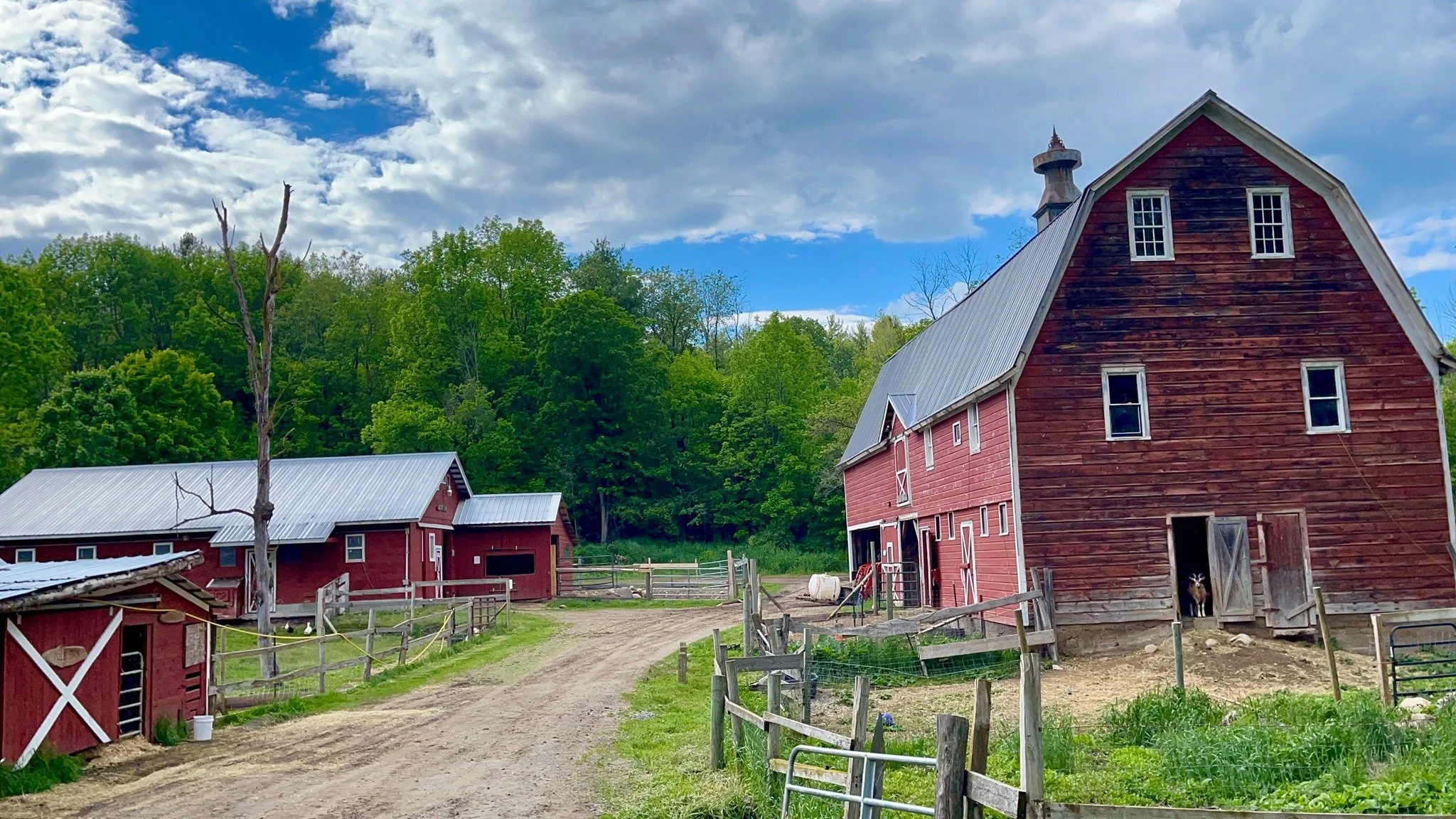
The Farm.
Right now, she says, they’re looking for an investor with passion—someone who wants to be part of this mission and help steward the next chapter.
The Thurman farm is currently on the market, and Sheila acknowledges the emotional complexity: maybe it hasn’t sold because, in their hearts, they don’t want to let it go. But a future could include relocating the sanctuary closer to Lake Luzerne so that visitors can experience the Hitching Post and the animals without a 30–40-minute drive.
It’s a transition. It’s also a testament to how seriously they take both sustainability and stewardship.
Sheila’s advice: “Do it. You live once.”
When asked what she’d tell someone dreaming of a big life change, Sheila doesn’t hesitate.
She says: Do it.
Be careful with money. Don’t grow too fast. Learn as you go.
But if you have the passion—if you feel the pull—follow it. Because while she may be “a lot poorer” than she was as a lawyer, she’s lived a life full of meaning: creating cheeses she’s proud of, building something real, and saving animal lives.
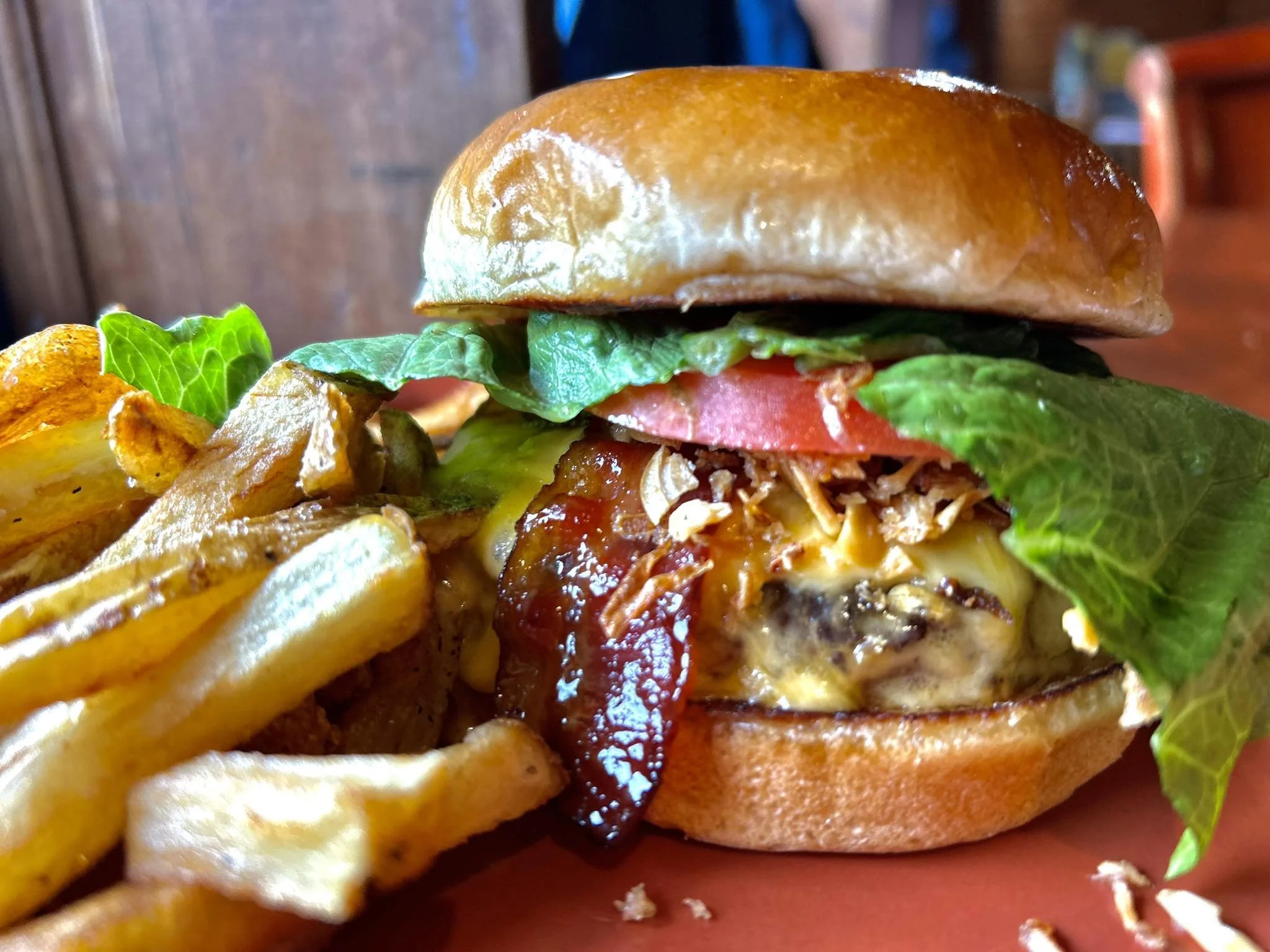
Bacon Cheeseburger at the Hitching Post.
Sheila’s favorite Adirondack hidden gems
We end every ADK Talks episode with a “hidden gem” question—and Sheila delivered, Thurman-style.
Her picks:
Nettle Meadow Farm (yes, she said her own place—and we’re allowing it, because it truly is magical)
Crane Mountain trailheads, where you can hike at any pace you want
Garnet Lake, a beautiful, bird-filled spot with views of Crane Mountain and Blue Mountain—perfect for sitting, breathing, and remembering why you came up here in the first place
If you’re planning your next Adirondack day trip, that’s a pretty dreamy itinerary.
Listen to the Nettle Meadow episode of ADK Talks.
If this story made you hungry, curious, or newly determined to chase your own wild dream, you’ll love hearing Sheila tell it in her own voice. Find the ADK Talks podcast at Apple Podcasts or wherever you get your podcasts.
And for more Adirondack stories, artisan spotlights, and insider guides, visit ADKTaste.com and subscribe to our newsletter—delivered fresh once a week (like the milk… but with fewer goats in the Honda Element).
Mentioned in this podcast.
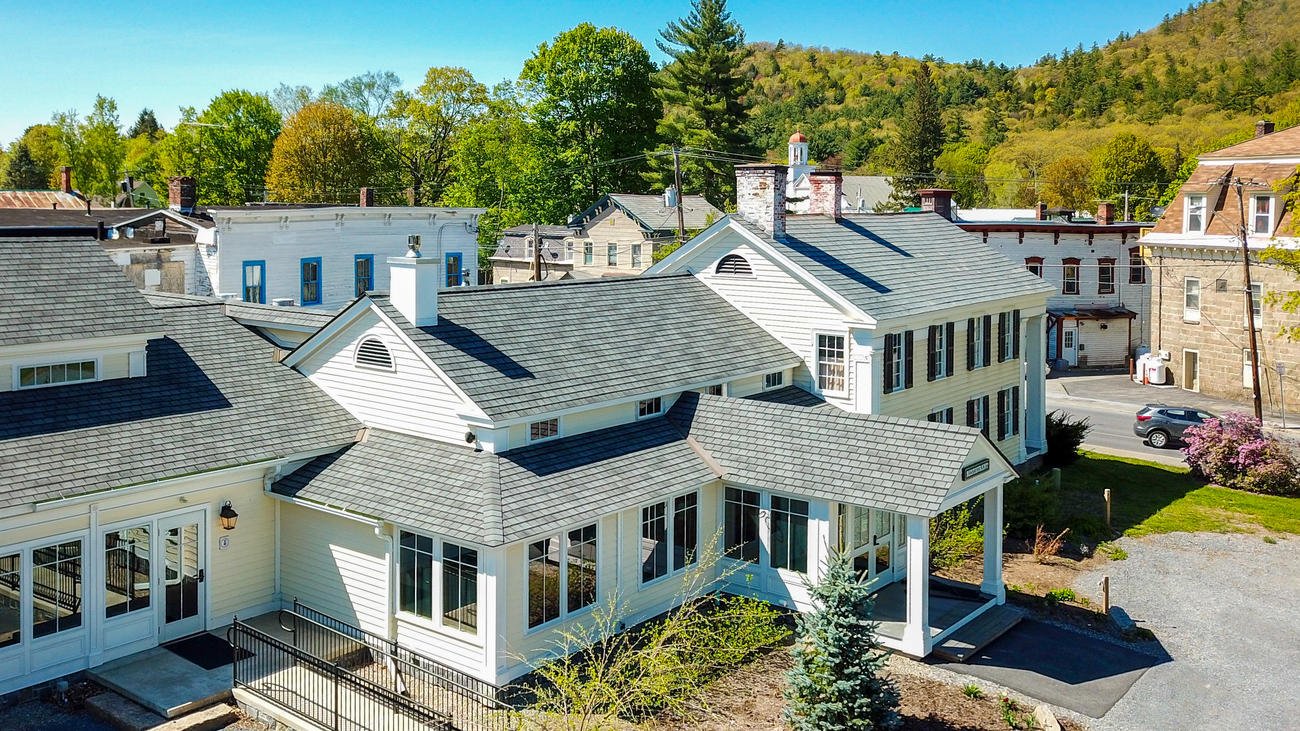
Visit Nettle Meadow Farm.
Places to stay, shop, eat, and things to do near Thurman.
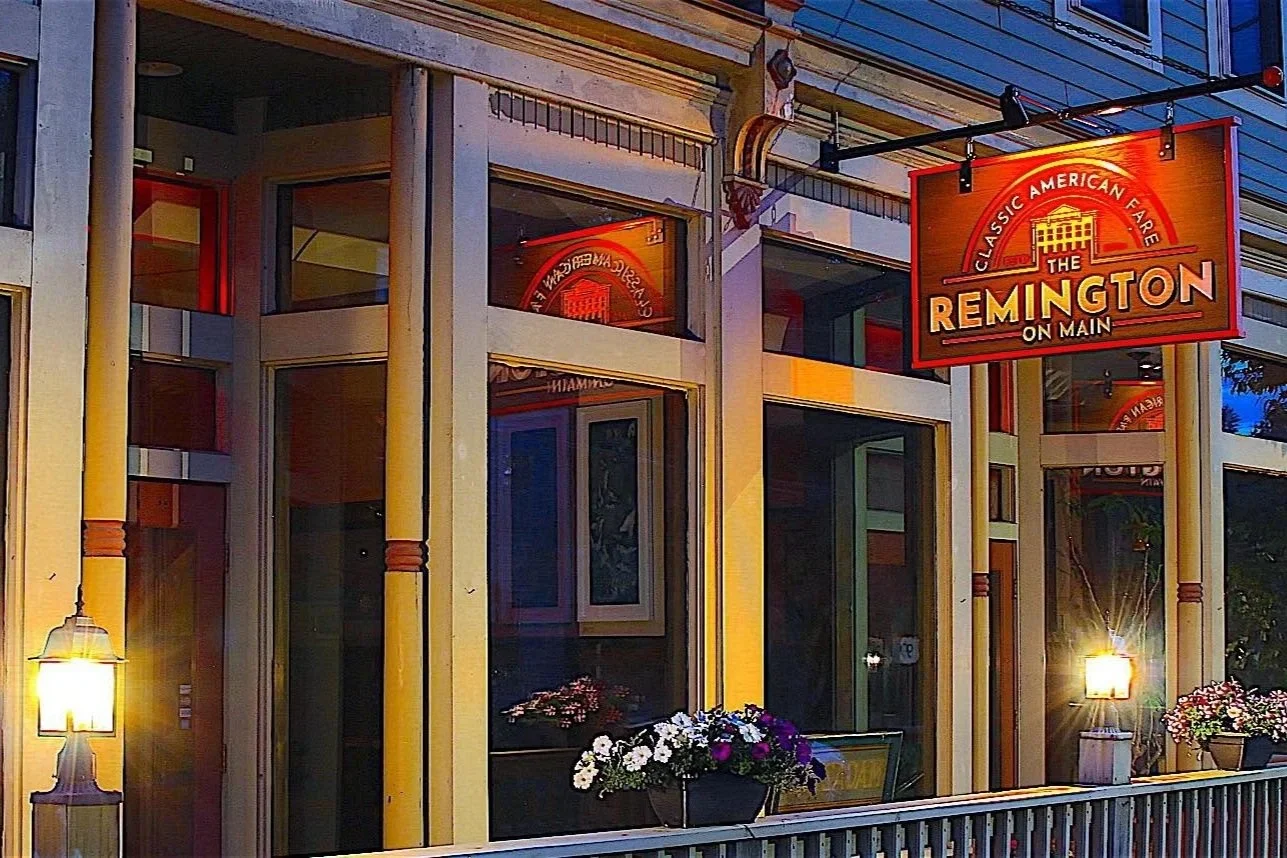





Shop for unique Adirondack apparel, gifts and merchandise.















ADK Talks Podcast
Love the Adirondacks? You’ll love our podcast. We take listeners beyond the guidebooks and into the heart of the Adirondacks. We share stories from the people behind the best places to eat, shop, stay and explore in the ADK. Find us on Apple Podcasts, Spotify or wherever you listen to podcasts.




It’s early morning, and the mist hovers above the glassy surface of your favorite Adirondack lake, undisturbed but for the rhythmic dip of your paddle. The only sound is the gentle ripple of water breaking against your canoe. The air is crisp, carrying the scent of pine and the promise of another perfect day in the Adirondacks. Your worries are left ashore, traded for the serenity that only paddling these waters can provide.
You’re not just wearing any shirt. You’re donning an invitation to adventure, to explore the thousand lakes and secret inlets of the North Country.
Our Adirondack Paddler’s Long-Sleeve Tee is made of the softest cotton. It's perfect for layering or wearing on its own. It’s designed for those who know the joy of a paddling in the Adirondacks, who’ve felt the thrill of a canoe gliding silently through mirror-still waters.
This ultra-cotton long-sleeve tee is perfect for Adirondack paddlers of all kinds—canoers, kayakers, SUPs, guide boaters and more. It is a clear comfort winner in any season.
There are no side seams for a relaxed fit. The shoulders are taped for improved durability. We love that the cotton used for these shirts is environmentally friendly.
Check the size chart; friends and family tell us this long-sleeved tee may run a little small.