
America's Story Runs Through the Adirondacks
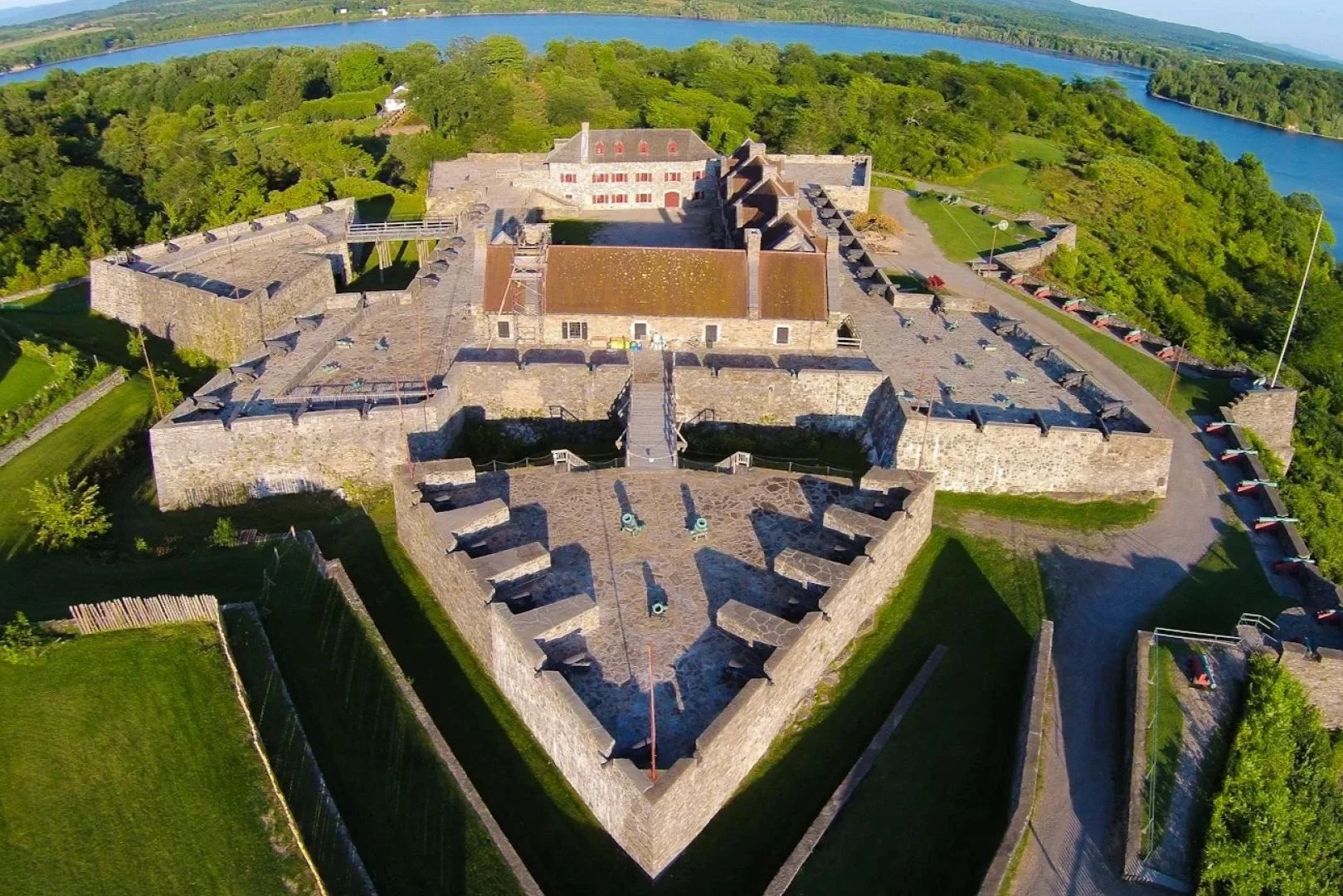
Fort Ticonderoga overlooking Lake Champlain.
As America celebrates its 250th birthday, many travelers will naturally gravitate toward Philadelphia, Boston, and Williamsburg.
But some of the nation's most fascinating stories unfolded much farther north.
The Adirondacks have witnessed nearly every chapter of the American experience. Indigenous nations traveled these waterways long before the United States existed. Revolutionary War armies fought for control of Lake Champlain.
Presidents vacationed here. Olympians inspired a nation. During the Cold War, missile sites hidden among farms and forests stood ready for a conflict everyone hoped would never come.
For those looking to commemorate America's 250th birthday—or simply add some history to a summer Adirondack road trip—these places reveal how deeply the region is woven into the American story.
Love Adirondack history, hidden gems, and local stories? ADK Taste is your weekly guide to the people, places, food, and events that make the Adirondacks worth exploring. Subscribe to our free newsletter and never miss a story.
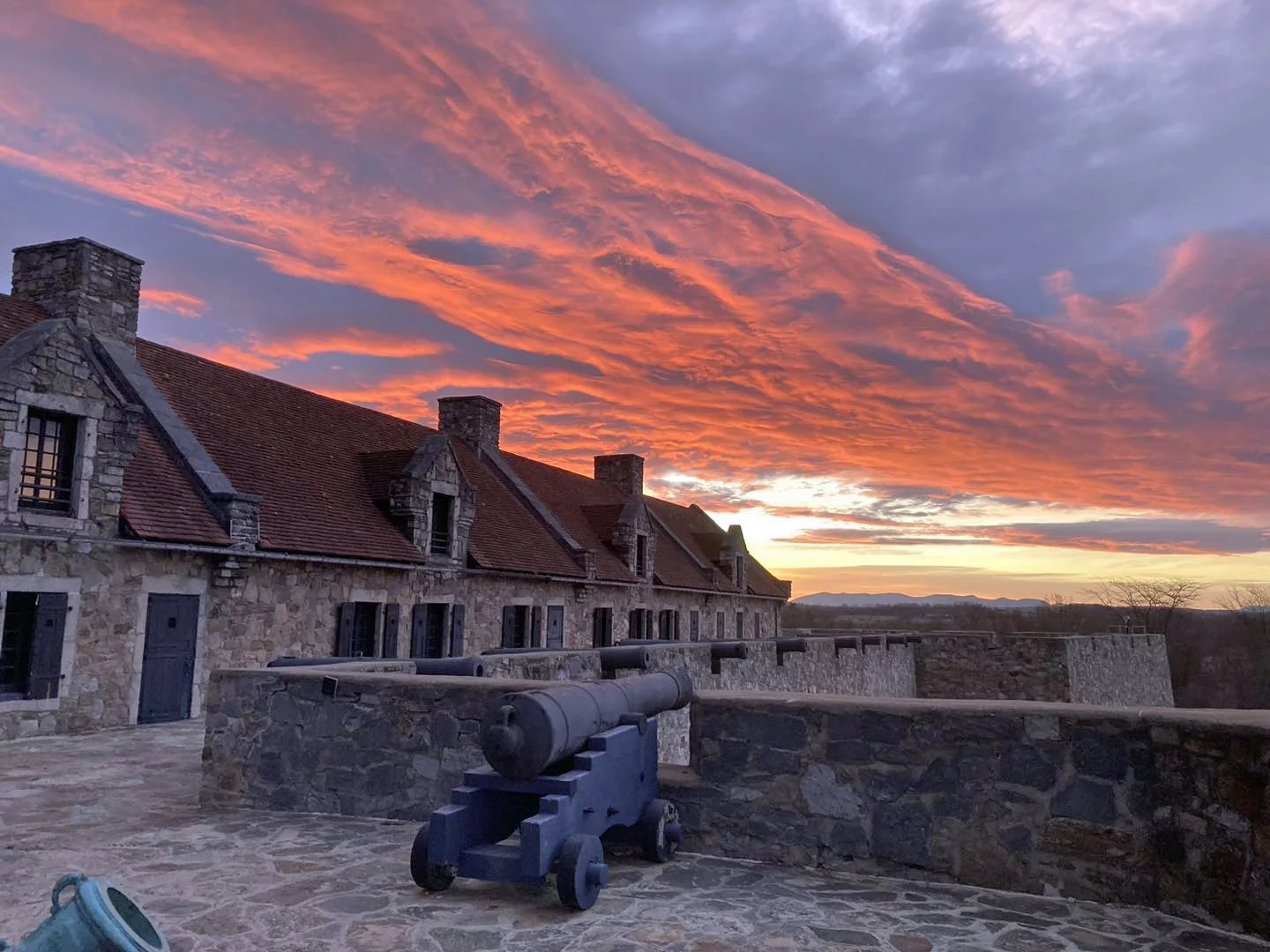
Sunrise at Fort Ticonderoga.
Revolution and nation building.
No historic site in the Adirondacks is more closely associated with America's founding than Fort Ticonderoga overlooking Lake Champlain, in the northeastern Adirondacks.
In May 1775, Ethan Allen and Benedict Arnold captured the British-held fort in one of the first victories of the Revolutionary War. The cannons seized there were later hauled to Boston by Henry Knox and helped force the British evacuation of the city.
A short drive north, Crown Point and Valcour Island tell another chapter of the story.
The Lake Champlain corridor served as one of North America's most important military highways. During the 1776 Battle of Valcour Island, Benedict Arnold's small fleet delayed the British advance long enough to buy precious time for the American cause. Historians often describe the battle as a tactical defeat but a strategic victory.
Port Henry and the iron that helped build America.
The village of Port Henry is often associated with Lake Champlain views and the occasional sighting of Champ.
Its real claim to fame lies underground.
According to the Hudson River Valley Institute, Port Henry was built on iron. High-grade ore mined in nearby Mineville and Witherbee fueled a 150-year industrial boom and made the region the largest pre-Civil War producer of iron ore in the United States.
The institute also notes that iron from the region supplied Benedict Arnold's fleet during the Revolutionary War, linking the Adirondack mining industry directly to one of the conflict's pivotal moments.
Today, visitors can still explore remnants of that industrial legacy throughout the Champlain Valley.
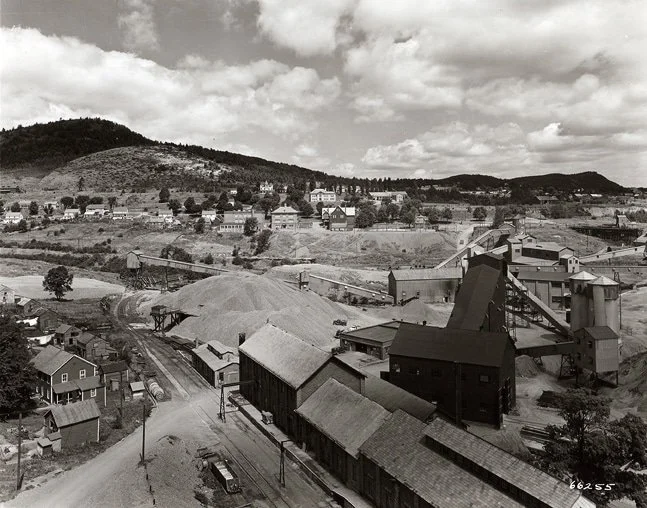
View of Mineville, 1950s. From the collection of the Adirondack History Museum.
Expanding the American experiment.
America's story extends well beyond battlefields.
At John Brown Farm near Lake Placid, visitors can walk the grounds where the famed abolitionist lived and where he is buried. Few places connect more directly to the nation's struggle over slavery and the meaning of freedom.
The nearby North Country Underground Railroad Museum highlights the stories of freedom seekers escaping slavery and the local residents who assisted them.
Meanwhile, the Six Nations Iroquois Cultural Center in Onchiota offers an important reminder that the history of the Adirondacks began thousands of years before 1776.
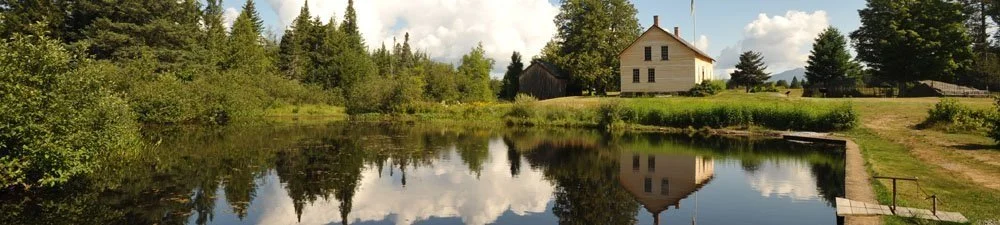
Historic John Brown Farm in North Elba near Lake Placid.
Presidents, power, and influence.
The Adirondacks have an unusual habit of intersecting with presidential history.
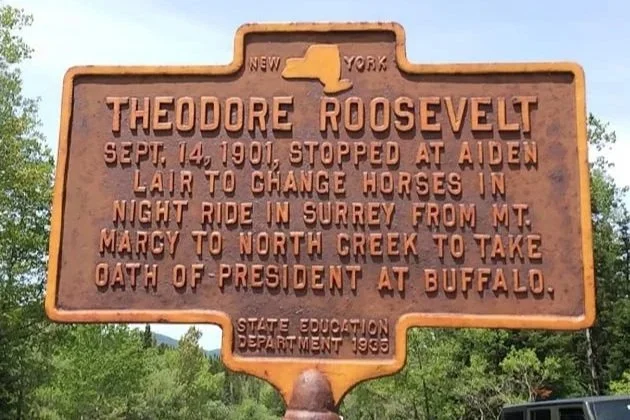
At the North Creek Depot Museum, visitors can stand where Theodore Roosevelt boarded a train after learning that President William McKinley had died. By the end of that journey, Roosevelt would become the 26th President of the United States.
The depot preserves one of the most consequential presidential moments in American history. Want the full story behind Roosevelt's famous Midnight Ride to the Presidency? Listen to ADK Talks featuring presidential historian Joe Wiegand, one of the nation's foremost Theodore Roosevelt interpreters.
ADK Taste pick.
Pair a visit to North Creek Depot Museum with a trek west to Great Camp Sagamore, which offers another connection to American leadership and influence.
While many visitors associate Sagamore with the Vanderbilt family, its later owner, Margaret Emerson, widow of Alfred Gwynne Vanderbilt, connected the Adirondacks to world affairs.
According to reporting by The New York Times, Emerson hosted General George Marshall, Madame Chiang Kai-Shek, Bernard Baruch, and other influential figures at her Adirondack estates during the years surrounding World War II.
Suddenly, that quiet area near Raquette Lake feels a little closer to the center of world events.
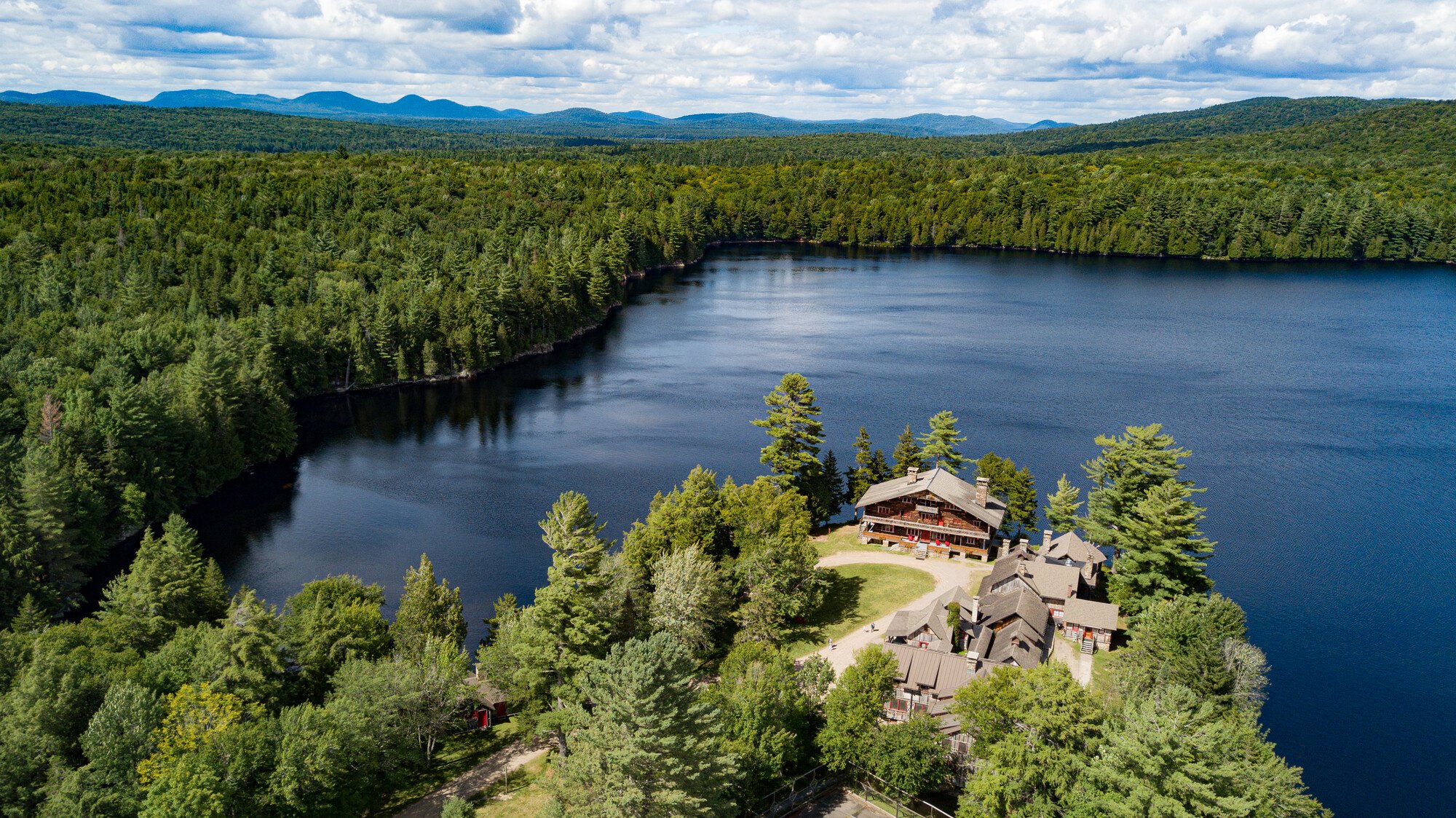
Great Camp Sagamore.
The birthplace of the American vacation.
The Adirondacks didn't just help shape American history.
They helped shape how Americans spend their free time.
According to Smithsonian Magazine, minister and author William H.H. Murray sparked a tourism revolution with the publication of Adventures in the Wilderness in 1869. His book encouraged urban Americans to escape crowded cities and seek health, recreation, and renewal in the Adirondacks.
The result was "Murray's Rush," a tourism boom that transformed the region.
The Smithsonian goes even further, arguing that "the American vacation was born—quite literally" in the Adirondacks.
The legacy of that movement can still be experienced at places like Great Camp Sagamore, Raquette Lake, and throughout the Adirondack Park.
From Olympic glory to Cold War tensions.
Not every historic moment involves politics.
In 1980, Lake Placid was the site of the famous Miracle on Ice, one of the most iconic moments in American sports history. The U.S. hockey team's victory over the Soviet Union became a symbol of national pride during the Cold War.
Lake Placid's Olympic venues remain among the most compelling historic attractions in the Adirondacks.
At the same time, the surrounding North Country quietly played another role in Cold War history.
Plattsburgh Air Force Base and the region's Atlas missile sites formed part of America's nuclear defense network. Hidden among rural landscapes, these facilities stood on the front lines of a global standoff that defined much of the second half of the 20th century.

Team USA and the Miracle on Ice in Lake Placid during the 1980 Winter Olympics. Photo credit Ona Kwiatkowski.
ADK Taste shortlist.
Additional sites worth exploring include:
White Pine Camp, the Summer White House of President Calvin Coolidge
Historic Saranac Laboratory Museum, the first laboratory in the United States built specifically for research on tuberculosis. It transformed the understanding and treatment of TB, moving it from a death sentence to a manageable disease, and established the Adirondacks as a global center for tuberculosis treatment and research
Rogers Island in Fort Edward. From 1756 to 1759, Rogers Island was the base camp for Major Robert Rogers and his company of Rangers, the first U.S. Army Rangers.
Old Fort House Museum in Fort Edward, NY. Built in 1772 by Patrick Smyth using timbers from the dismantled British French & Indian War fortification, the house served as a Revolutionary War headquarters for both British and American troops, including General John Stark, who called it "Fort Stark".
The Battle of Plattsburgh historic sites. Also known as the Battle of Lake Champlain, this conflict occurred in 1814, resulting in a decisive American victory and ending the last major British invasion of the northern United States during the War of 1812. This victory protected New York, secured the northern border, and influenced the peace negotiations in Ghent, Belgium, allowing the U.S. to achieve a peace treaty that restored the situation to its pre-war status, known as a status quo ante bellum.
Fun fact.
Long before she became a Supreme Court icon, Ruth Bader Ginsburg spent summers at camp in the Adirondacks. Her Adirondack connection is one more reminder that remarkable American stories often have roots in these mountains.
ADK Taste recommendations.
Many of these locations can be explored as part of a long weekend road trip.
History enthusiasts might combine Fort Ticonderoga, Crown Point, Port Henry, and Plattsburgh into a Champlain Valley itinerary. Others may prefer pairing North Creek, Raquette Lake, and Lake Placid for a journey through presidential history, Great Camps, and Olympic lore.
Several sites also host special programs and events throughout the year, making them worthwhile destinations long after America's 250th birthday celebrations conclude.

Japanese tea house at White Pine Camp.
ADK Taste perspective.
The Adirondacks are often defined by wilderness.
That's understandable. The mountains, lakes, and forests are spectacular.
But they are also the backdrop for some of the nation's most fascinating stories.
From Revolutionary War battlefields and abolitionist movements to presidential transitions, world diplomacy, Cold War strategy, and Olympic triumphs, the Adirondacks have repeatedly found themselves at the intersection of American history.
As the nation marks 250 years, these places offer a reminder that history didn't just happen in famous cities or along the Eastern Seaboard.
Some of it happened right here.
Want more stories like this? Subscribe to the free ADK Taste newsletter for curated Adirondack events, road trips, food finds, hidden gems, and the best things to do in the Adirondacks every week.
Recent news and insights from ADK Taste.















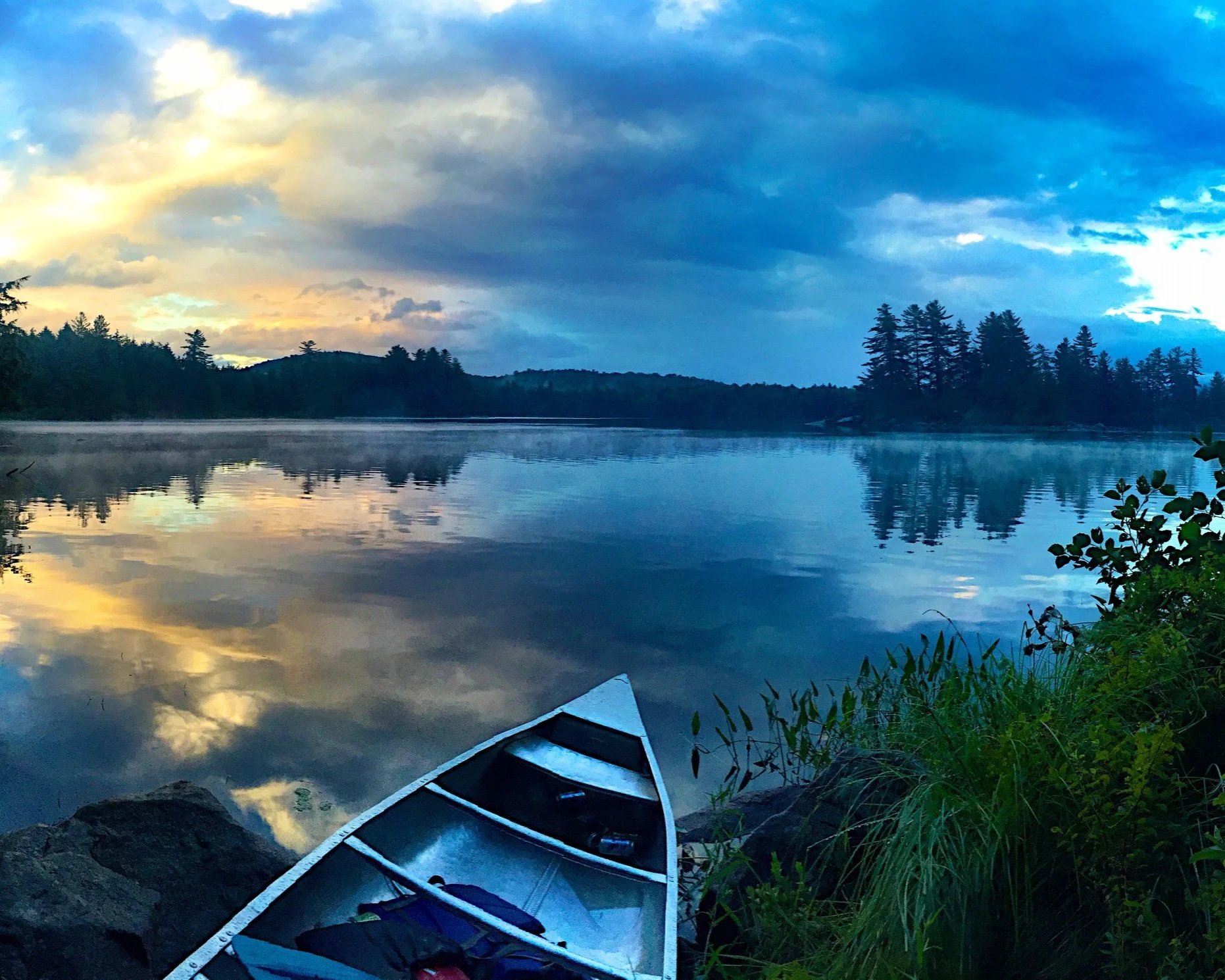
Ultimate Guide to the Adirondacks
Your insider’s guide to exploring the Adirondacks—where to go, what to eat, and the experiences that make this place unforgettable.
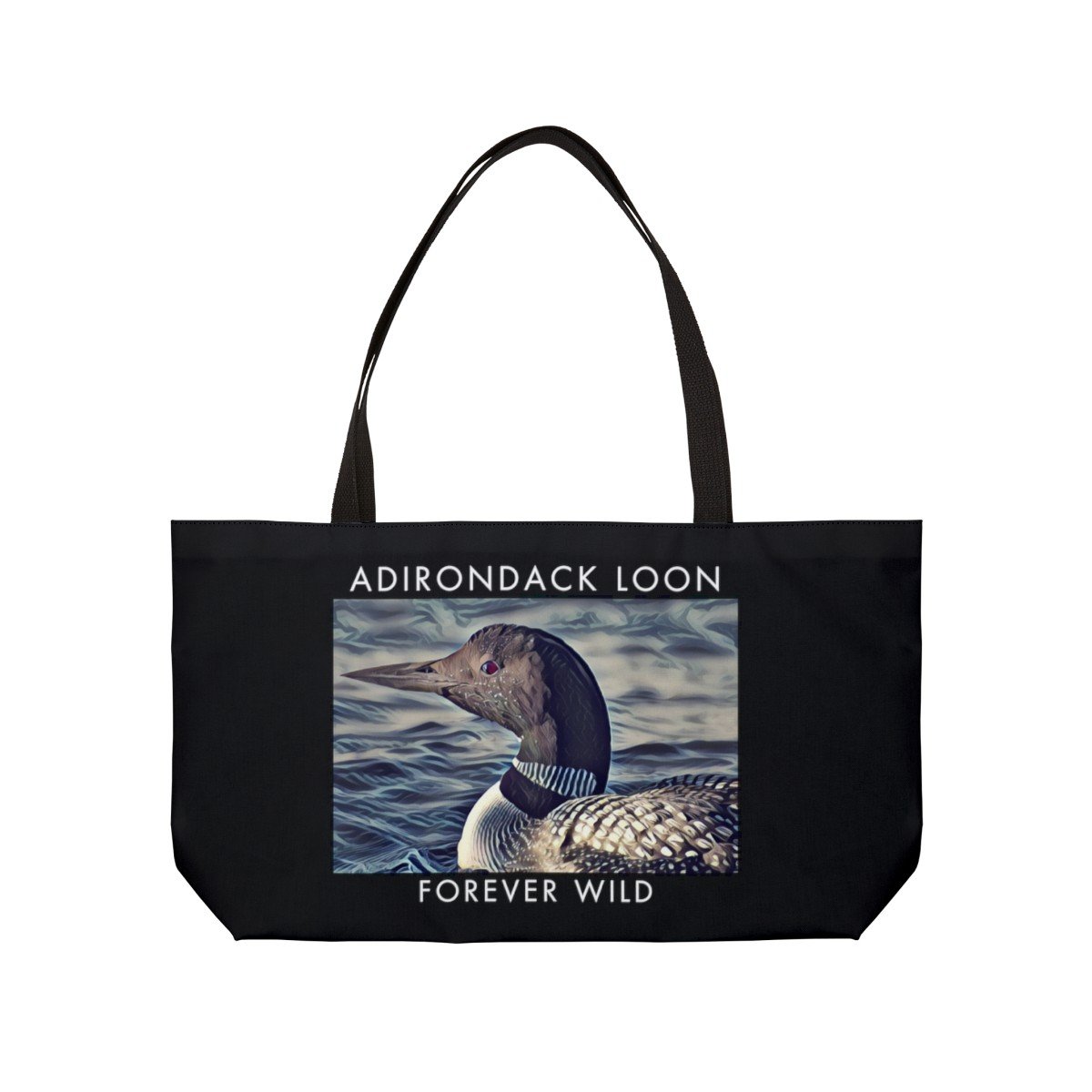
Shop for unique Adirondack apparel, gifts and merchandise.























ADK Talks Podcast
Love the Adirondacks? You’ll love our podcast. We take listeners beyond the guidebooks and into the heart of the Adirondacks. We share stories from the people behind the best places to eat, shop, stay and explore in the ADK. Find us on Apple Podcasts, Spotify or wherever you listen to podcasts.











Bring a bold splash of the Adirondack spirit wherever you roam with this vibrant, adventure-ready tote bag. Featuring a chic golden hue and a retro-style design, this tote is more than just an accessory—it’s a statement of your love for the mountains, forests, and lakes that make the Adirondacks legendary.
Crafted from durable, easy-care polyester and finished with reinforced stitching, this bag is made to go the distance—from farmers’ markets to campsites, library runs to beach days. The roomy boxed corners make packing snacks, sweaters, books, or souvenirs a breeze, while the sturdy navy or black straps sit comfortably on your shoulder no matter how full the day (or the bag).
And with the playful “Find the Good Stuff Here” message on the reverse, this tote is a nod to curiosity, good vibes, and great finds.
Perfect for:
Day trips to your favorite lake or historic site
Grocery hauls and artisan market strolls
Picnic gear, beach towels, or a cozy flannel
Commuters who love to keep it wild
Gift-givers looking for something both beautiful and useful
Product Features:
100% polyester for strength and durability
Reinforced handle stitching for everyday carry confidence
Spacious 16" x 16" design with boxed corners for easy packing
Soft yet sturdy medium-weight fabric
Stylish navy handles to complement any outfit
Go ahead—Find the Good Stuff. Carry it in style.
A perfect gift for Adirondack lovers, nature enthusiasts, and anyone who believes “Forever Wild” is more than a motto—it’s a way of life.